IBOV 185,147.15 ▼ 0.02% IPSA 11,315.26 ▼ 1.14% IPC MEX 64,866.61 ▼ 0.87% MERVAL 3,049,121 ▼ 0.29% COLCAP 2,544.56 ▲ 0.40% BVL PERÚ 59,978.22 ▼ 0.31% USD/BRL5.12▼ 0.03% USD/MXN16.88▼ 0.03% USD/CLP933.68— 0.00% USD/COP3,124▼ 1.12% USD/PEN3.35▼ 0.01% USD/ARS1,509— 0.00% USD/UYU40.24▲ 1.33% USD/PYG5,947▲ 1.88% USD/BOB12.40▲ 3.51% USD/DOP59.00▲ 0.85% USD/CRC448.67▲ 1.78% USD/GTQ7.63▲ 2.28% USD/HNL26.84▲ 0.28% USD/NIO36.62▲ 0.07% USD/VES805.37▼ 0.13% USD/PAB1.00— 0.00% USD/BZD2.00— 0.00% USD/JMD 157.28 — 0.00% USD/TTD6.71▲ 1.02% EUR/BRL5.95▲ 0.91% BRENT 88.88 ▼ 0.03% WTI 83.11 ▼ 0.11% IRON ORE 161.91 — — COPPER 6.61 ▲ 0.03% GOLD 4,461 ▲ 1.78% SILVER 65.59 ▲ 1.26% SOY 1,184 ▲ 3.20% CORN 480.50 ▲ 10.02% WHEAT 655.00 ▲ 3.93% COFFEE 317.25 ▼ 5.51% SUGAR 16.43 ▼ 1.79% ORANGE JUICE 138.55 ▼ 0.47% COTTON 85.03 ▲ 2.33% COCOA 5,719 ▲ 3.18% BEEF 223.60 ▼ 3.93% CATTLE 339.10 ▼ 3.16% LITHIUM 75.20 ▲ 1.47% PETR4 41.64 ▼ 0.05% VALE3 72.97 ▲ 0.83% ITUB4 38.60 ▼ 1.03% BBDC4 16.85 ▲ 0.36% ABEV3 14.89 ▼ 0.80% BBAS3 19.37 ▲ 0.47% B3SA3 14.26 ▼ 0.21% WEGE3 47.59 ▲ 0.49% PRIO3 59.14 ▼ 0.19% SUZB3 41.33 ▲ 2.35% RENT3 34.68 ▼ 0.09% AZZA3 15.89 ▼ 2.63% CSAN3 3.22 ▼ 1.83% RAIZ4 0.25 — 0.00% PCAR3 2.75 ▼ 0.36% GMAT3 3.65 ▼ 1.08% PSSA3 48.13 ▼ 0.54% CVCB3 1.33 ▼ 2.92% POSI3 3.36 ▲ 2.44% SLCE3 13.34 ▲ 0.30% NATU3 8.14 ▼ 0.73% IBOV 185,147.15 ▼ 0.02% IPSA 11,315.26 ▼ 1.14% IPC MEX 64,866.61 ▼ 0.87% MERVAL 3,049,121 ▼ 0.29% COLCAP 2,544.56 ▲ 0.40% BVL PERÚ 59,978.22 ▼ 0.31% USD/BRL 5.16 ▲ 0.01% USD/MXN 17.06 ▼ 0.24% USD/CLP 913.98 ▲ 0.04% USD/COP 3,140 ▲ 0.03% USD/PEN 3.36 ▼ 0.66% USD/ARS 1,493 ▲ 0.10% USD/UYU 40.27 ▲ 1.24% USD/PYG 5,939 ▲ 1.68% USD/BOB 11.64 ▼ 0.76% USD/DOP 58.34 ▲ 1.25% USD/CRC 445.92 ▲ 0.89% USD/GTQ 7.62 ▲ 2.21% USD/HNL 26.79 ▲ 1.57% USD/NIO 36.62 ▲ 0.69% USD/VES 762.44 ▼ 0.13% USD/PAB 1.00 — 0.00% USD/BZD 2.00 — 0.00% USD/JMD 157.28 — 0.00% USD/TTD 6.70 ▲ 0.61% EUR/BRL 5.95 ▲ 1.01% BRENT 88.88 ▼ 0.03% WTI 83.11 ▼ 0.11% IRON ORE 161.91 — — COPPER 6.61 ▲ 0.03% GOLD 4,461 ▲ 1.78% SILVER 65.59 ▲ 1.26% SOY 1,184 ▲ 3.20% CORN 480.50 ▲ 10.02% WHEAT 655.00 ▲ 3.93% COFFEE 317.25 ▼ 5.51% SUGAR 16.43 ▼ 1.79% ORANGE JUICE 138.55 ▼ 0.47% COTTON 85.03 ▲ 2.33% COCOA 5,719 ▲ 3.18% BEEF 223.60 ▼ 3.93% CATTLE 339.10 ▼ 3.16% LITHIUM 75.20 ▲ 1.47% PETR4 41.64 ▼ 0.05% VALE3 72.97 ▲ 0.83% ITUB4 38.60 ▼ 1.03% BBDC4 16.85 ▲ 0.36% ABEV3 14.89 ▼ 0.80% BBAS3 19.37 ▲ 0.47% B3SA3 14.26 ▼ 0.21% WEGE3 47.59 ▲ 0.49% PRIO3 59.14 ▼ 0.19% SUZB3 41.33 ▲ 2.35% RENT3 34.68 ▼ 0.09% AZZA3 15.89 ▼ 2.63% CSAN3 3.22 ▼ 1.83% RAIZ4 0.25 — 0.00% PCAR3 2.75 ▼ 0.36% GMAT3 3.65 ▼ 1.08% PSSA3 48.13 ▼ 0.54% CVCB3 1.33 ▼ 2.92% POSI3 3.36 ▲ 2.44% SLCE3 13.34 ▲ 0.30% NATU3 8.14 ▼ 0.73%
since 2009
Saturday, September 5, 2026

World-News North America

Fed’s Inflation Warning Collides With Trump’s Tariff Strategy

By · April 17, 2025 · 2 min read

Daily Brief

The morning intel from across Latin America. Free.

By subscribing you agree to our privacy policy. We never share your email.

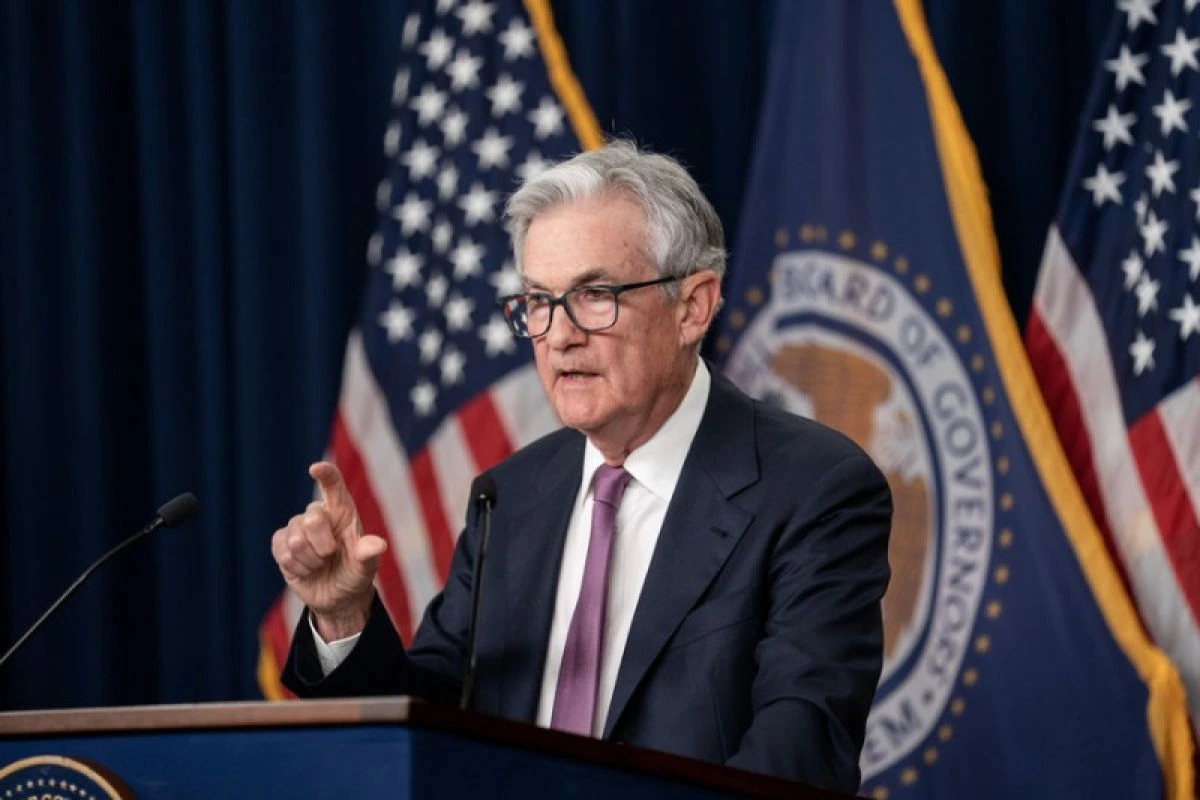
Federal Reserve Chair Jerome Powell delivered an unusually frank assessment Wednesday, admitting the central bank faces unprecedented uncertainty from President Trump’s sweeping new tariffs.

Speaking at the Economic Club of Chicago, Powell acknowledged that the average U.S. tariff rate has now reached 22.5%, its highest since 1909. He warned that these measures could drive up inflation and slow economic growth, with risks that inflation may remain elevated for years.

Markets reacted sharply to Powell’s remarks. The Dow Jones dropped 700 points, while the Nasdaq fell 3.5%, as investors recalibrated expectations for growth and consumer prices.

Trump’s “reciprocal tariffs,” announced April 2, target over 180 countries with rates up to 50%. Combined duties on Chinese goods now total 245%. In response, China has imposed 125% tariffs on U.S. products and restricted exports of rare earth metals, which are critical for American technology and defense.

Powell admitted these actions exceeded the Fed’s expectations by 40-60%. He said there is no modern precedent for managing such broad and significant tariff increases.
Fed’s Inflation Warning Collides With Trump’s Tariff Strategy
Fed’s Inflation Warning Collides With Trump’s Tariff Strategy.
One-stop reference
Company Intelligence
Every listed company in Latin America — financials, ownership and structure for 1,450+ companies across 26 exchanges, in one place.
Browse the directory →
RT
Ask Rio Times
Latin American markets, currencies and companies.
Open the full Ask Rio Times →

Supply chains, especially in the auto and technology sectors, now face major disruptions. Apparel prices could rise 17%, and companies like Nvidia have reported multi-billion-dollar losses due to Chinese export controls.

Fed Holds Steady Amid Tariff Pressures

The Federal Reserve now faces a difficult balancing act. Economic models from Penn Wharton estimate that the tariffs could reduce long-term U.S. GDP by 6% and lower wages by 5%.

The average American household may lose $3,800 in purchasing power this year, with middle-income households facing a $22,000 loss over a lifetime. Lower-income families could see annual losses of $1,700.

Despite these risks, Powell declined to signal any immediate interest rate cuts. The Fed’s key rate remains at 4.25-4.5%. He emphasized that policymakers need more clarity before making any adjustments.

Powell also challenged the claim that foreign exporters bear the brunt of tariffs, stating that American consumers and businesses pay a significant share of the costs. Trump’s administration argues that the tariffs will help rebuild U.S. manufacturing and reduce reliance on foreign suppliers.

However, the bond market’s reaction—ten-year Treasury yields jumped 0.4% after Powell’s speech—suggests investors remain concerned about the long-term impact on growth and government finances.

With U.S.-China trade volumes down 18% this quarter and global trade flows contracting nearly 10%, the consequences of these tariffs are already visible. Major U.S. brands, including Nike, now face tariffs on nearly all imported footwear.

The Fed’s cautious approach highlights the challenge of managing inflation and employment when new trade barriers reshape the economic landscape. The coming months will reveal whether the administration’s strategy can deliver the intended manufacturing revival.

Alternatively, they may show if the costs to consumers and businesses will outweigh the benefits. Powell’s remarks underscore the uncertainty facing U.S. economic policy as the effects of these tariffs continue to unfold.

This article was produced by The Rio Times’ automated newsroom system. How we use AI · Report an error

Read More from The Rio Times

The Rio Times · Power Map
See who really holds power in Latin America
Click to open the Power Map

Rotate for Best Experience

This report is optimized for landscape viewing. Rotate your phone for the full experience.