
US ECONOMY · FED
Key Facts
- The country The United States, where the Fed sets the base cost of borrowing for the whole economy.
- Prediction markets Polymarket gives a quarter-point December rate hike 80.5% (28 October 2026, 4:28 p.m. ET); volume US$1.6 million.
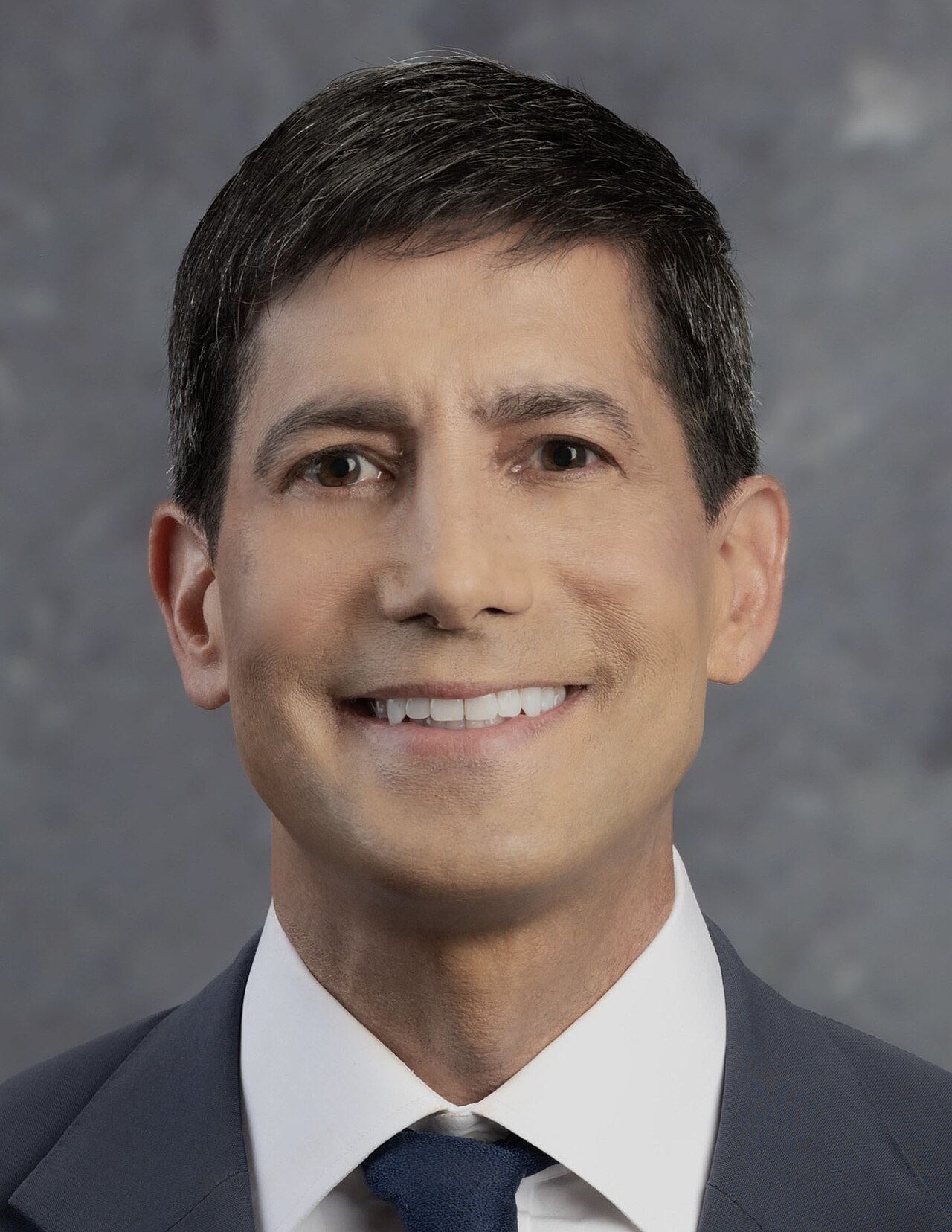
- What happened On 28 October 2026, Chair Kevin Warsh said one 2027 Fed meeting will have no rate vote.
- The plan for 2028 Warsh expects two strategy meetings and six rate-setting meetings that year.
- The start He said the change begins next fall, but did not name the meeting.
- His reason He wants time for big, long-term questions, apart from regular rate decisions.
The Federal Reserve plans one meeting with no rate vote, and no policy statement either, in 2027. Fed Chair Kevin Warsh announced the change on Wednesday 28 October 2026 in the opening statement of his press conference.
The Fed is the central bank of the United States, and its eight yearly meetings are the days when borrowing costs can change. The same day, it held its key rate at 3.75% to 4% by a 10 to 2 vote, as our Fed decision report explains.
In Plain English
The Federal Open Market Committee, or FOMC, is the 12-member group inside the Fed that votes on interest rates. It meets eight times a year and publishes a statement after each meeting.
A rate vote is the moment the group decides whether the Fed’s key rate goes up, down or stays put. That key rate, the federal funds rate, sets the base price of borrowing across the US economy.
What Happened
Warsh said the Fed believes eight meetings a year is the right number. In 2027, he said, one meeting with no rate vote will focus exclusively on broad monetary policy strategy, and no policy statement is anticipated.
The other meetings will be regular policy-setting meetings, as they are today. For 2028, Warsh said he expects two meetings for strategy discussions and six for setting policy.
He said the new schedule starts next fall. The Fed’s calendar for 2027 still lists eight meetings, three of them in the fall, and it does not mark the strategy meeting.
How the Meeting With No Rate Vote Works
A meeting with no rate vote is a long talk about how the Fed does its job, not about moving rates that week. Warsh described it as time for the committee to think anew about big questions and to look out over longer time horizons.
He wants an intellectually diverse team to do this, and he used his own phrase, the left side of the decimal point. We read that as big-picture questions over small rate steps, though he did not spell it out.
Why Warsh Wants the Change
Warsh called the reasoning quite straightforward. Getting policy right, he said, means assessing near-term developments at regular intervals, and it is equally important to reserve time for strategic deliberations.
He added that the meeting schedule and agenda are more than an administrative detail. In his words, they are an institutional choice that affects the quality of the committee’s deliberations and, ultimately, the wisdom of its decisions.
Why It Matters
Rate decisions are the Fed’s loudest signal to markets, and the plan trims them from eight to seven in 2027 and to six in 2028. A meeting with no rate vote also means fewer dates on which stocks, bonds and the dollar can jump on a new rate move.
Warsh also said inflation has run above the Fed’s goal for close to six years, and getting it down is the Fed’s responsibility. He described the schedule change as one more step to put monetary policy on the right track.
The first meeting with no rate vote is more than a year away, so the plan does not alter the next few decisions. Our Fed hold report covers this week’s decision, and our guide for Latin America and Africa covers the effect abroad.
What the Markets Did
The US Treasury’s daily yield data for Wednesday shows the 10-year Treasury yield at 5.05%, up from 4.99% on Tuesday. The 2-year yield was 4.67%, down from 4.70%, and the 30-year yield was 5.37%, up from 5.30%.
Those figures cover a day that also held the rate decision itself, so they cannot show how traders judged the schedule change alone. We have no confirmed market move that is tied to the new meeting plan.
What Prediction Markets Say
On Wednesday afternoon, Polymarket traders gave a quarter-point rate hike at the December meeting an 80.5% chance, up 4.0 points in 24 hours. That market has traded about US$1.6 million in total, and the December meeting still carries a rate vote on the Fed’s calendar.
Why we show this: prediction markets turn real-money bets into a live probability that moves within minutes of the news, which is why investors, campaigns and newsrooms in the United States now follow them closely. We show them next to polls and official results, never instead of them.
What It Means for You
For a US household or business, nothing changes in borrowing costs because of this plan, since it takes effect only next fall. What matters now is the rate itself, which stays at 3.75% to 4%, and the two members who wanted a hike.
For investors, a meeting with no rate vote means one less scheduled rate decision a year from 2027. The Fed has not said how it will report on a meeting with no rate vote and no statement.
What Is Not Known
The Fed has not said which 2027 meeting will have no rate vote. It has also not said if that meeting gets a press conference or minutes, or if the dot plot, the rate forecast chart, changes.
It is not known what topics the strategy meetings will cover. Warsh’s 2028 plan is an expectation, and the Fed’s calendar notes that meeting dates stay tentative until confirmed.
More: North America news in English, every day from The Rio Times.
Frequently Asked Questions
What exactly is changing at the Fed?
In 2027, one of the Fed’s eight meetings will focus on strategy, with no rate vote and no policy statement anticipated. The other seven will set policy as usual.
When does the change start?
Warsh said it starts next fall, and the Fed’s 2027 calendar has three fall meetings. The Fed has not said which one will be the meeting with no rate vote.
Will the Fed hold fewer meetings?
No, Warsh said eight meetings a year is the right number. Fewer of them will set rates, with seven in 2027 and six expected in 2028.
Sources: Federal Reserve Board, transcript of Chairman Warsh’s press conference opening statement (28 October 2026), 28 October 2026; Federal Reserve Board, FOMC statement (28 October 2026), 28 October 2026; Federal Reserve Board, FOMC meeting calendars 2026 and 2027, 28 October 2026; US Department of the Treasury, daily Treasury par yield curve rates, October 2026, 28 October 2026.
Editorial responsibility: Matthias Camenzind, Editor-in-Chief · Editorial standards · Report an error