Ecuador’s Power Woes Deepen: Colombia Cuts Off Vital Electricity Supply
Colombia has decided to pause its electricity exports to Ecuador due to severe drought conditions. The Colombian Ministry of Mines and Energy issued a resolution to suspend power sales as a temporary measure.
This decision stems from the critically low water levels in Colombia’s hydroelectric reservoirs. The suspension aims to prioritize domestic energy needs in Colombia during this challenging period.
Ecuador now faces a significant setback as it grapples with its own energy crisis. The country is experiencing its worst drought in 60 years, causing widespread problems.
Forest fires have ravaged thousands of hectares, while water shortages disrupt daily life for many Ecuadorians. The situation has forced authorities to implement electricity rationing, with some areas enduring up to 12 hours of blackouts daily.
The electrical interconnection between Colombia and Ecuador has a capacity of 450 megawatts. This amount represents approximately 10% of Ecuador’s total energy demand.
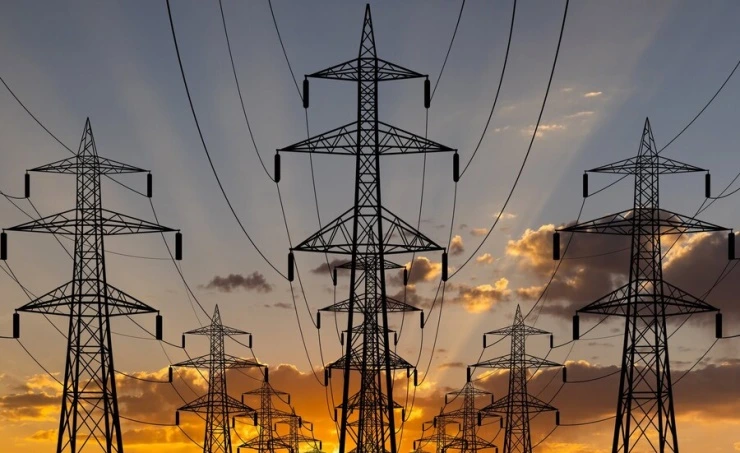
Colombia has long been a crucial electricity supplier to its neighbor, especially during times of low hydroelectric production in Ecuador. The loss of this power source will likely exacerbate Ecuador’s ongoing energy woes.
Both countries attribute their current predicament to the El Niño weather phenomenon. El Niño has caused a prolonged dry spell, significantly reducing water levels in hydroelectric dams across the region.
Colombia’s reservoir levels have dropped 16 points below the winter target, raising concerns about meeting domestic demand.
The country has increased its reliance on thermal power plants to compensate for the shortfall in hydroelectric generation.
Ecuador’s Energy Crisis
Ecuador’s energy infrastructure is under severe strain. The Mazar reservoir, a key component of the country’s power system, has reached its minimum operational level.
This low water level affects the functioning of major hydroelectric plants that typically supply nearly 38% of Ecuador’s electricity demand.
The suspension of imports from Colombia will further stress Ecuador’s already fragile energy grid. The resolution issued by Colombia outlines alternative generation methods for any future electricity exports.
These options include using thermal plants operating on liquid fuels or centrally dispatched plants. However, these alternatives will only be employed if they are not required to meet Colombia’s domestic energy needs.
In addition, the temporary nature of the export suspension suggests that Colombia may resume power sales once conditions improve.
This development underscores the vulnerability of hydroelectric-dependent energy systems in the face of changing climate patterns. It highlights the need for diversification of power sources and improved regional cooperation.
The energy crisis extends beyond Ecuador and Colombia, affecting several countries in South America. This situation emphasizes the importance of developing more resilient and varied energy systems across the continent.
As Ecuador searches for solutions to its energy shortfall, the country may need to increase its reliance on thermal power plants. This shift could have environmental implications and potentially higher energy costs for consumers.
The crisis also serves as a wake-up call for policymakers to invest in alternative energy sources and improve energy efficiency measures.
More: Colombia news in English, every day from The Rio Times.
This article was produced by The Rio Times’ automated newsroom system. How we use AI · Report an error · Editorial responsibility: Matthias Camenzind, Editor-in-Chief