Colombia’s Energy Crisis: Natural Gas Redirected from Vehicles to Power Plants
Colombia faces a new energy crisis as drought grips the nation. Ecopetrol, the state-owned oil company, has taken drastic measures to address the situation.
The company has suspended natural gas supply to thirteen fuel distributors, redirecting it to thermal power plants. This decision aims to bolster electricity generation in response to the severe drought affecting several regions.
The move impacts companies that supply natural gas for vehicles and industrial use. Among the affected firms are well-known names like Terpel, Turgas, and Alcanos de Colombia.
Ecopetrol explained that the suspension applies to companies with conditional firmness contracts. These agreements allow for supply interruption during scarcity events, such as the current prolonged dry spell.
The coastal Atlantic region, coffee-growing areas, and southwestern Colombia will feel the effects most acutely. The central region, particularly Tolima, will also experience significant impacts from this decision.
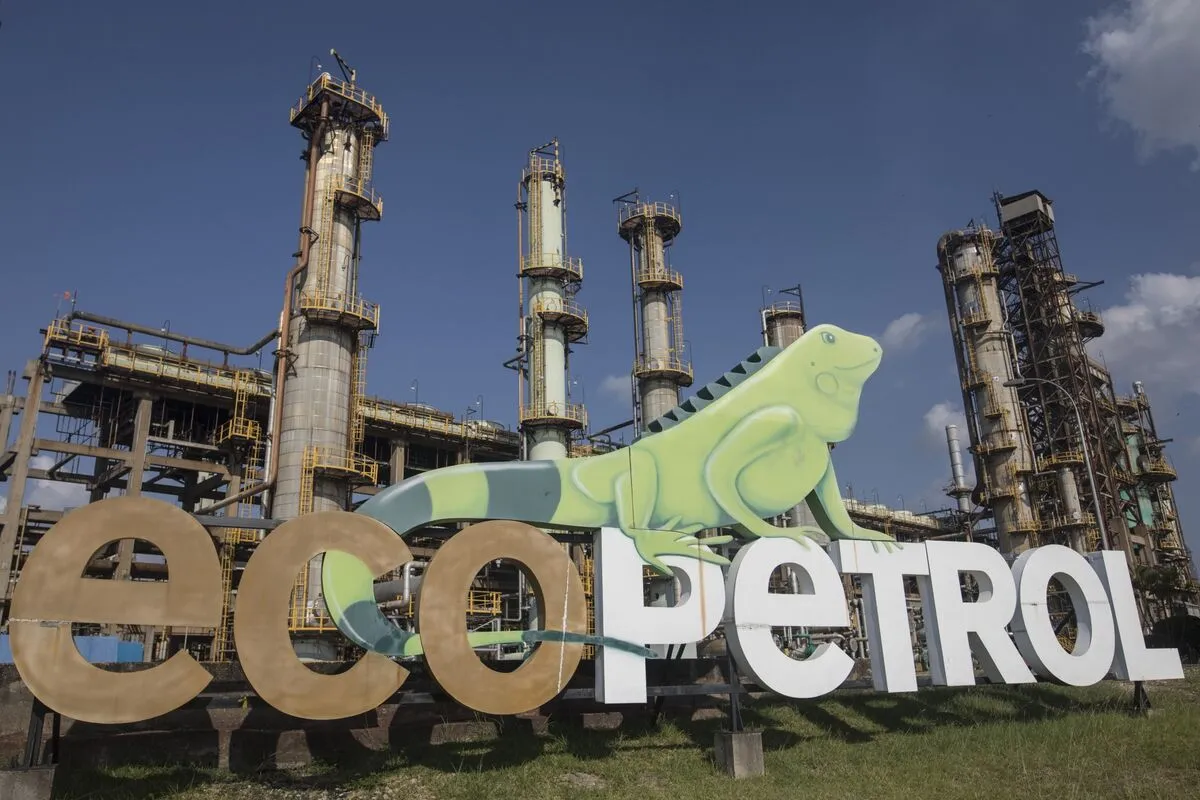
Before the contingency, Ecopetrol supplied 46.6 giga BTUs of gas daily to these thirteen companies. This amount far exceeded the 32.1 giga BTUs committed to secure OCG contracts.
This shift in gas allocation underscores the severity of Colombia’s current energy situation. It highlights the delicate balance between different energy needs during times of environmental stress.
A Call for Diversification and Resilience
The government’s priority is clear: maintaining electricity supply takes precedence over vehicle fuel availability. As Colombia grapples with this crisis, questions arise about long-term energy security and sustainability.
The situation emphasizes the need for diversified energy sources and improved infrastructure. It also highlights the vulnerability of nations heavily reliant on hydroelectric power during periods of drought.
The coming weeks will reveal the effectiveness of this strategy in mitigating the energy shortfall. Meanwhile, affected businesses and consumers must adapt to these temporary but significant changes.
In short, this crisis serves as a stark reminder of climate change’s tangible impacts on daily life and national economies.
More: Colombia news in English, every day from The Rio Times.
This article was produced by The Rio Times’ automated newsroom system. How we use AI · Report an error · Editorial responsibility: Matthias Camenzind, Editor-in-Chief