Ecuador Votes With Candidates Under Probe
The electoral law pauses criminal cases against candidates until the count is proclaimed, which leaves voters to weigh accusations that no court has yet decided.

Ecuador: Local Elections
Ecuador holds local elections on Sunday 29 November 2026, and several candidates on the ballot face court cases or investigations. One, a mayoral candidate in Manta, is held in Panama and wanted by US prosecutors in New York.
Ecuador’s electoral law shields candidates from prosecution until results are proclaimed, so pending cases are paused, not closed. The National Electoral Council (CNE), the body running the vote, says the candidate in Panama stays on the ballot.
Key Facts
- Who. Local candidates facing court cases; the CNE (National Electoral Council) runs the vote.
- What. Candidates cannot be prosecuted from qualification until results are proclaimed; cases resume afterwards.
- When. Vote Sunday 29 November 2026; results proclaimed by mid-February 2027.
- Power Index. Ecuador ranks 8th of 14 in The Rio Times Latin America Power Index, with 37.2 points (November 2026 edition).
- As of. 26 November 2026, 07:00 GMT.
The electoral law pauses criminal cases against candidates until the count is proclaimed, which leaves voters to weigh accusations that no court has yet decided.
Article 108 of the Democracy Code, Ecuador’s electoral law, bars arrests and prosecutions of candidates from qualification until results are proclaimed. Flagrant crimes, sexual crimes, and gender and domestic violence are excepted, and the rule decides no guilt.
The vote was moved up from February 2027 after the CNE cited the risk of El Niño rains, as our explainer on the electoral system explains. The CNE counted 53,534 registered candidacies, and by 14 October more than 51,370 were firm, so the cases below are a handful among tens of thousands.
In the Goleada case, an alleged money-laundering inquiry, prosecutors linked Fiorella Ycaza to the file on 29 May 2026. She is the Ecuadorian Socialist Party candidate for mayor of Guayaquil and the wife of Aquiles Alvarez, the opposition leader and Guayaquil mayor who was sentenced on 3 August in a separate case.
Prosecutors are examining the finances of a property company where she was legal representative and held 25% of the shares. Nothing has been proven in court.
Three co-defendants, Gastón Loy Correa, Pedro Hidalgo Elinan and David Andrés Alvarez Kronfle, run for councillor. The CNE told the anticorruption judge on 16 August 2026 that all four defendants had registered.
Judge José Sebastián Cornejo suspended the trial-preparation stage for the four until results are proclaimed. The case restarts only after results are proclaimed, a step due by mid-February 2027.
Jaime Estrada Bonilla, mayor of Manta from 2009 to 2014, is a candidate again for the movement Sí Podemos. He was detained in Panama on 4 November 2026, with his son Jaime Estrada Medranda, on a US request.
Charges in the Southern District of New York cover conspiracy to import cocaine and firearms offences. US prosecutors say a seafood export company was used to hide drugs in commercial cargo.
The operation involved the US Drug Enforcement Administration (DEA) and Interpol, the international police network. No court has issued a verdict in the US case.
Interior Minister John Reimberg said on 11 November 2026 that the extradition from Panama is advancing, with no date set. The CNE statement does not say whether Estrada could take office if he wins while detained.
CNE president José Cabrera spoke days after the arrest, and Estrada’s name stays on the ballot, which was then being printed. “The gentleman is qualified, the ballots are being printed, then we will see what follows,” he said (our translation).
Lawyer José Elías Cárdenas Llerena says the electoral shield protects candidates only inside Ecuador, not abroad. “If they were in Panama, it is irrelevant whether he has immunity in Ecuador,” he said.
Gabriel Balladares Espinoza, mayor of General Villamil Playas, seeks a new term while prosecutors investigate alleged embezzlement in public contracts. Operation “Marea” on 30 October 2026 covered payments for works not done; he gave a statement and was not detained.
Juan Carlos Rivera Gutiérrez, mayor of Naranjal, seeks re-election while prosecutors investigate alleged corruption, influence peddling and forged documents. Raids on 11 November 2026 hit properties linked to him and municipal offices, and he called the accusations a campaign against him.
Prosecutors also raided Quito’s city hall on 21 October 2026. Violence and online manipulation also marked the race, from a killing in Huaquillas to a raid on an alleged troll centre in Cuenca.
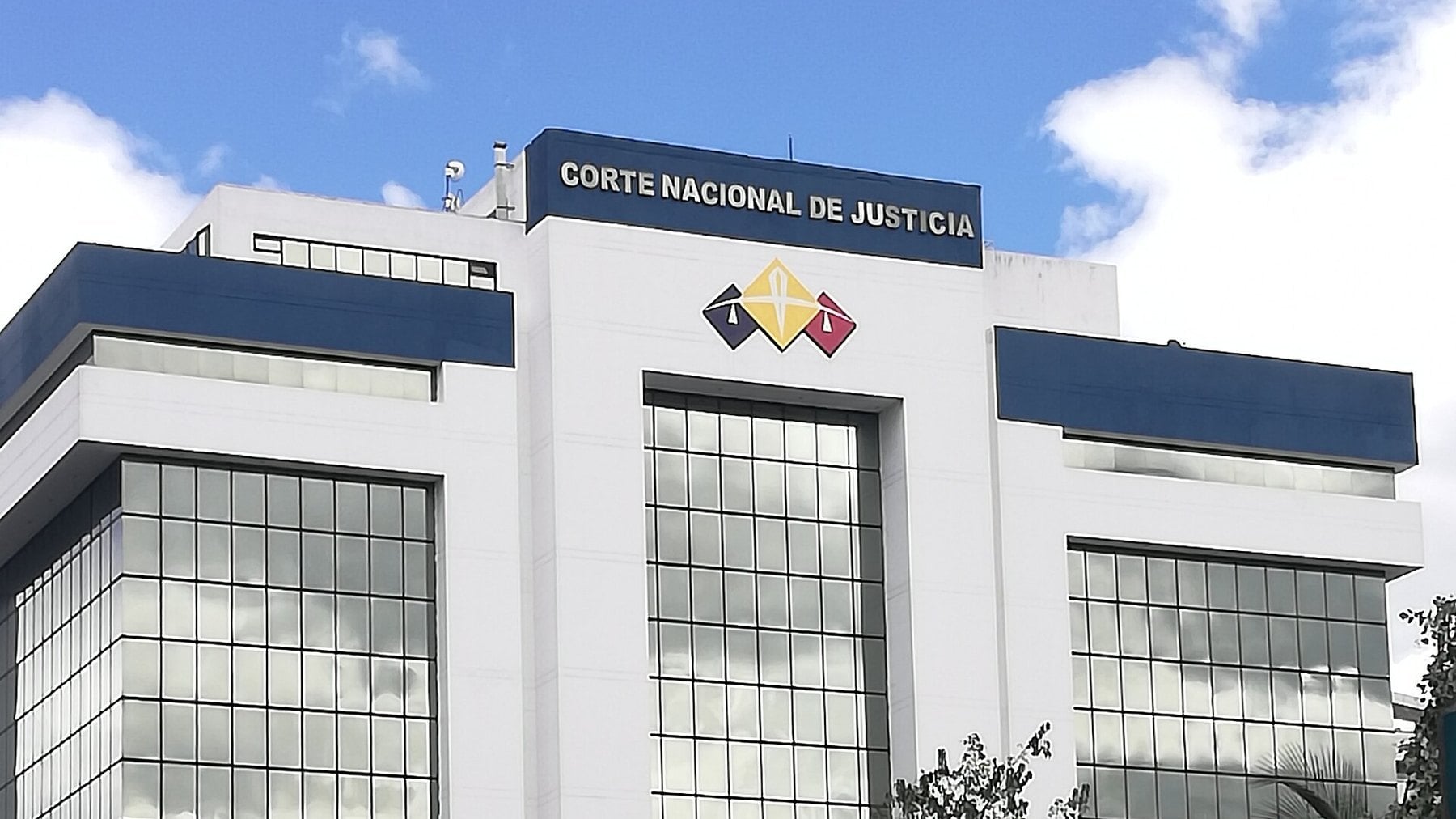
After proclamation, criminal cases can resume, and only winners hold a special privilege before the National Court of Justice in Quito. That makes the proclamation of results a legal turning point for most candidates named here.
Ecuador is a key US partner against cocaine trafficking, and the New York case puts a candidate inside a US drug prosecution. No extradition date is set, and he is presumed innocent until a final sentence.
Voters choose mayors, provincial governors, councillors and parish boards on Sunday, after a campaign from 12 to 26 November. Our guide shows the provinces where Ecuador’s voters live, and results are due by mid-February 2027.
Frequently Asked Questions
Can a candidate be arrested before the vote?
Not for most crimes, because the law bars arrests and prosecutions of qualified candidates until results are proclaimed. Flagrant crimes and some violent or sexual crimes are excepted.
Does the immunity cover Jaime Estrada Bonilla in Panama?
A lawyer argues it applies only inside Ecuador. His name stays on the ballot, and his extradition has no date.
Does being a candidate under investigation mean guilt?
No. Everyone keeps the presumption of innocence until a final sentence, and no court has convicted the candidates named here.
More: Ecuador news
Sources: Código de la Democracia (Democracy Code), Article 108; National Electoral Council (CNE) statements of 16 August and November 2026; Interior Ministry statement of 11 November 2026; US Southern District of New York indictment as described by prosecutors; Fiscalía General del Estado, Ecuador’s prosecutor’s office.
This article was produced by The Rio Times’ automated AI newsroom. Editorial responsibility: Matthias Camenzind, Publisher and Editor-in-Chief. The Rio Times also runs Ask Rio Times, which answers from 100,000+ of our own articles, the daily Latin America Power Map, and prediction-market odds on elections and markets.. How we use AI · Report an error