Ecuador Gears Up for Presidential Runoff with 2,315 Observers
Ecuador’s upcoming presidential runoff on October 15 will have strong oversight.
The National Electoral Council (CNE) says 2,315 observers will ensure the vote’s integrity.
Of these, 2,176 are domestic monitors. A special 17 among them live abroad but will supervise overseas voting.
Another 139 come from international organizations.
Eight global watchdog groups will participate. They include AMEA, A-WEB, CEELA, OAS, and UNIORE.
These organizations often keep tabs on election fairness worldwide.
Over 13.4 million people will vote, both within Ecuador and abroad. They will choose between candidates Luisa González and Daniel Noboa.
González led in the first voting round on August 20. She earned 33.61% of votes, while Noboa got 23.47%.
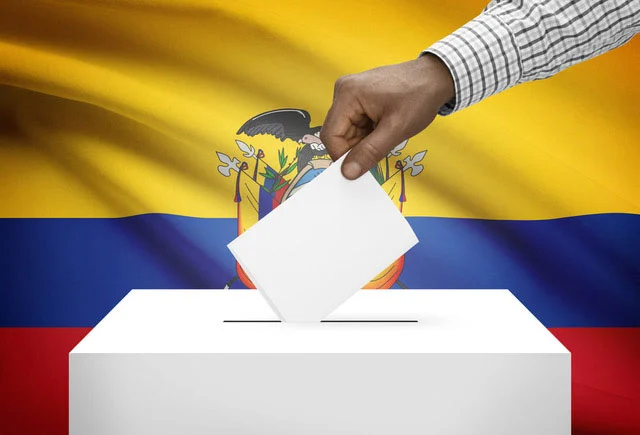
Both have been on the campaign trail since September 24. This campaign will wrap up on October 12.
The winner will take over from current leader Guillermo Lasso. His initial term was set to end in May 2025.
Lasso curtailed his term through a unique move. He invoked a constitutional measure called “cross-death.”
This allowed him to dissolve Parliament and call early elections on May 17.
Background
This election holds special significance for Ecuador, a country recently mired in political unrest.
Lasso’s abrupt term end and the dissolution of Parliament signal a volatile atmosphere. Consequently, the role of CNE and observers becomes even more critical.
They provide not just oversight, but also a sense of stability and legitimacy.
Globally, the eyes of the world are on this election. Countries like the U.S. and EU nations have interests in Ecuador, often linked to trade and regional stability.
How the election unfolds could sway international relations and investor confidence.
In Latin America, Ecuador’s election is a microcosm of larger political trends. Across the continent, there’s a push-pull between progressive and conservative forces.
The candidates, González and Noboa, epitomize this struggle. Their campaigns mirror broader debates about governance, social justice, and economic policies.
Therefore, Ecuador’s election is not just a local event; it’s a snapshot of larger, global dynamics.
More: Ecuador news in English, every day from The Rio Times.
This article was produced by The Rio Times’ automated newsroom system. How we use AI · Report an error
Read More from The Rio Times