In 2022, the world’s leading shrimp exporter, Ecuador recorded a record $7.28 billion in exports while grappling with escalating crime risks.
This sum equals 22% of the nation’s total exports.
According to the National Aquaculture Chamber (NAC), two threats plague the sector. First, pirates target shrimp boats in the Gulf of Guayaquil.
Second, thefts are rising at onshore farms. Criminals sell stolen shrimp in local markets or try to sneak it into formal export routes.
From January to August, NAC reported 64 violent events in the sector. These incidents resulted in two deaths and more than 50 other victims.
Due to the risks, shrimp producers now exercise extreme caution during product transport.
Meanwhile, the navy’s patrols offer insufficient protection in vulnerable areas. On top of this, security costs are going up.
As a result, Ecuadorian shrimp is becoming less competitive than cheaper options from countries like India and Vietnam.
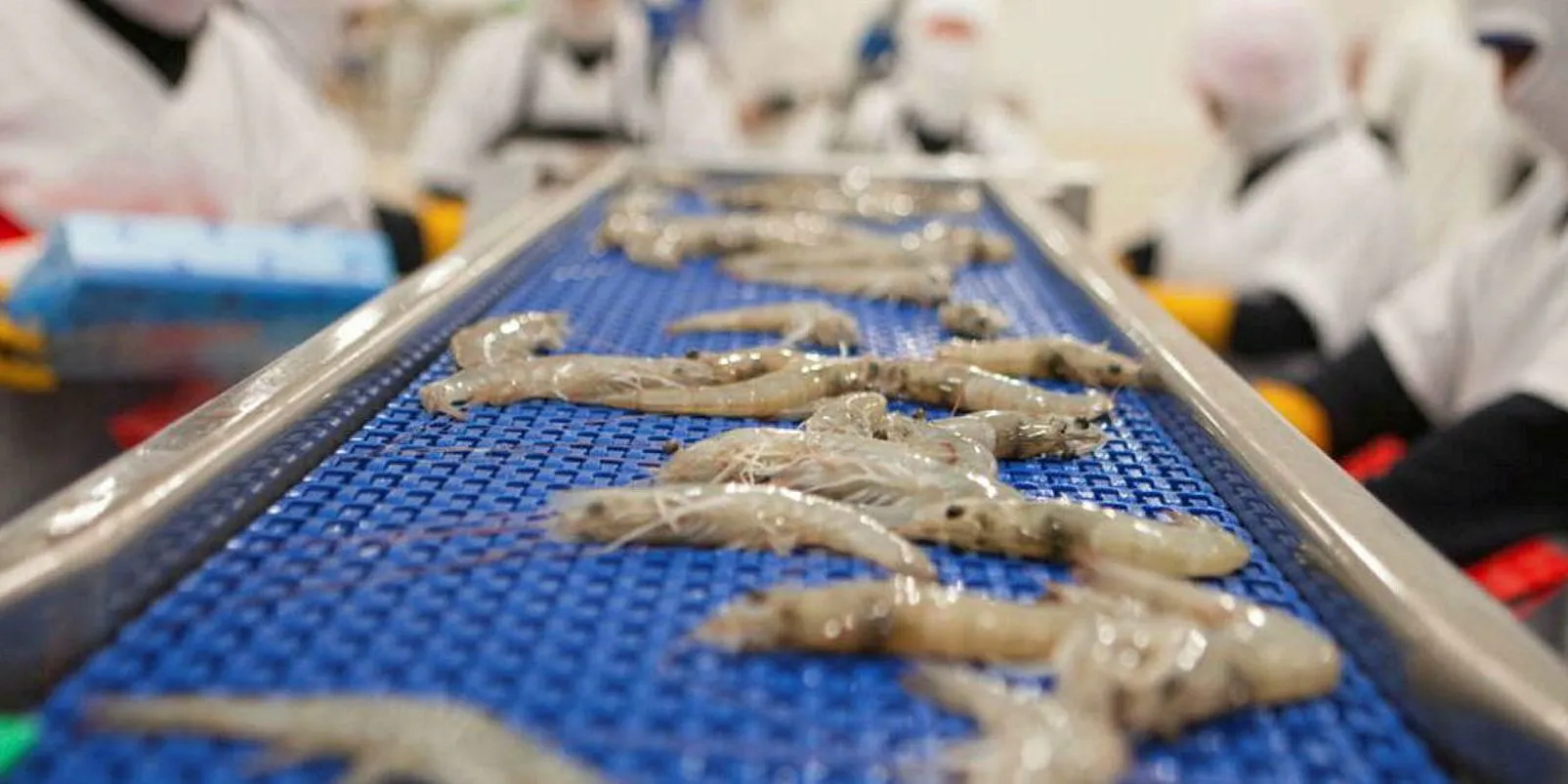
Reduced demand in China is also causing shrimp prices to fall. In addition, the NAC estimates that security will cost producers $100 million this year.
This eats into profits and lowers the sector’s global competitiveness.
Anonymous industry insiders also point to organized crime. These criminals steal shrimp to fund illegal activities.
This raises the stakes, making it not just an economic issue, but a national security concern as well.
However, sales remain strong. The sector grew from $3.19 billion in 2018 to its current peak.
Therefore, shrimp remains a cornerstone of Ecuador’s economy.
The lack of adequate security forces in high-risk areas worries the industry.
Left unaddressed, these issues could hurt the shrimp industry and Ecuador’s broader economy and global reputation.
Background Ecuador’s Shrimp Industry
To put it in a broader context, Ecuador’s situation contrasts sharply with that of other shrimp-producing countries.
In places like India and Vietnam, lower security risks mean lower operational costs. Hence, these countries can offer shrimp at more competitive prices.
Globally, this could shift the market dynamics. If Ecuador can’t control crime, buyers may look to more secure sourcing options.
This could have ripple effects, influencing international trade agreements and supply chain logistics.
More: Ecuador news in English, every day from The Rio Times.
This article was produced by The Rio Times’ automated newsroom system. How we use AI · Report an error · Editorial responsibility: Matthias Camenzind, Editor-in-Chief