Blackouts in Ecuador Highlight Need for Energy Diversification
Several areas in Ecuador experienced blackouts, primarily in the first week of October.
The government cites a drop in energy imports from Colombia as the cause. Normally, Colombia provides Ecuador with a steady flow of 400 megawatts of power.
Energy analyst Jorge Hidalgo is concerned. He says Ecuador has seen no significant blackouts for 10 to 15 years.
The current reliance on Colombian electricity worries him. Furthermore, the El Niño weather event exacerbates the situation.
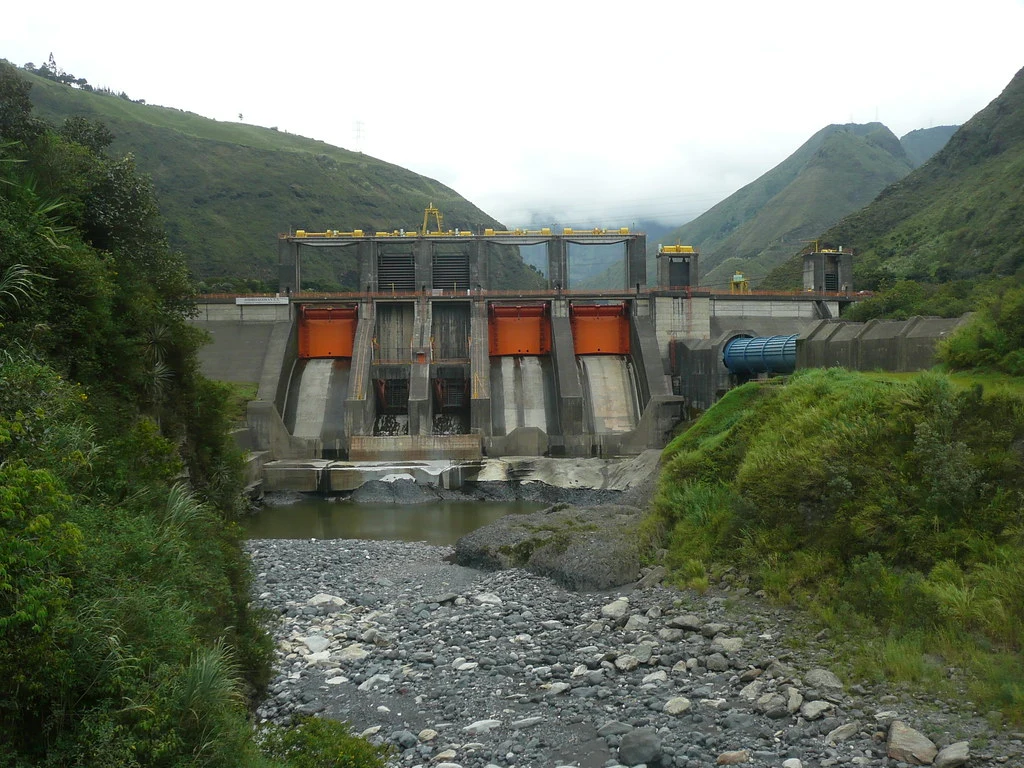
It’s reducing water levels in Ecuador’s hydroelectric dams. Some experts had previously warned about this, but little action was taken.
Criticism targets the government’s lack of preparation. Ecuador mainly relies on hydroelectric power, making up nearly 85% of its total energy.
Thermoelectric power comes second at around 12%. Statistics from the National Electricity Operator CNEL indicate that about 70% of the country’s energy use is renewable.
However, Ecuador still imports around 10% of its energy. According to Hidalgo, Ecuador possesses high potential for energy diversification.
The country could significantly boost hydroelectric, solar, and wind energy production. Yet, a narrow focus persists.
Investment in thermoelectric power, which uses fuel to generate electricity, is limited. Meanwhile, Colombia faces its own challenges.
The country recently hit an all-time low in rainfall in September.
Natalia Gutiérrez, President of the Colombian Association of Electricity Generators, urges a reevaluation of energy trading terms with Ecuador.
She also recommends careful management of water and gas resources. In summary, both Ecuador and Colombia are grappling with energy issues.
Diversification could be the key. Ecuador, in particular, needs to harness its renewable energy potential and consider thermoelectric options for better resilience.
More: Ecuador news in English, every day from The Rio Times.
This article was produced by The Rio Times’ automated newsroom system. How we use AI · Report an error
Read More from The Rio Times