IBOV 188,268.59 ▲ 1.42% IPSA 11,238.63 ▼ 1.16% IPC MEX 64,499.43 ▼ 0.49% MERVAL 3,157,852 ▲ 1.53% COLCAP 2,626.71 ▲ 1.65% BVL PERÚ 60,702.89 ▼ 2.19% USD/BRL5.10▼ 0.10% USD/MXN16.98▲ 0.48% USD/CLP940.47▲ 1.38% USD/COP3,081▼ 1.14% USD/PEN3.36▲ 0.06% USD/ARS1,513▼ 0.08% USD/UYU40.24▲ 3.05% USD/PYG5,868▲ 2.26% USD/BOB12.36▲ 1.91% USD/DOP58.63▲ 0.22% USD/CRC447.58▲ 1.69% USD/GTQ7.63▲ 3.04% USD/HNL26.85▲ 0.57% USD/NIO36.62▲ 0.34% USD/VES830.41▲ 0.45% USD/PAB1.00— 0.00% USD/BZD2.00— 0.00% USD/JMD 157.28 — 0.00% USD/TTD6.73▲ 2.40% EUR/BRL5.92▲ 0.30% BRENT 88.88 ▼ 0.03% WTI 83.11 ▼ 0.11% IRON ORE 161.91 — — COPPER 6.61 ▲ 0.03% GOLD 4,461 ▲ 1.78% SILVER 65.59 ▲ 1.26% SOY 1,184 ▲ 3.20% CORN 480.50 ▲ 10.02% WHEAT 655.00 ▲ 3.93% COFFEE 317.25 ▼ 5.51% SUGAR 16.43 ▼ 1.79% ORANGE JUICE 138.55 ▼ 0.47% COTTON 85.03 ▲ 2.33% COCOA 5,719 ▲ 3.18% BEEF 223.60 ▼ 3.93% CATTLE 339.10 ▼ 3.16% LITHIUM 75.20 ▲ 1.47% PETR4 41.64 ▼ 0.05% VALE3 72.97 ▲ 0.83% ITUB4 38.60 ▼ 1.03% BBDC4 16.85 ▲ 0.36% ABEV3 14.89 ▼ 0.80% BBAS3 19.37 ▲ 0.47% B3SA3 14.26 ▼ 0.21% WEGE3 47.59 ▲ 0.49% PRIO3 59.14 ▼ 0.19% SUZB3 41.33 ▲ 2.35% RENT3 34.68 ▼ 0.09% AZZA3 15.89 ▼ 2.63% CSAN3 3.22 ▼ 1.83% RAIZ4 0.25 — 0.00% PCAR3 2.75 ▼ 0.36% GMAT3 3.65 ▼ 1.08% PSSA3 48.13 ▼ 0.54% CVCB3 1.33 ▼ 2.92% POSI3 3.36 ▲ 2.44% SLCE3 13.34 ▲ 0.30% NATU3 8.14 ▼ 0.73% IBOV 188,268.59 ▲ 1.42% IPSA 11,238.63 ▼ 1.16% IPC MEX 64,499.43 ▼ 0.49% MERVAL 3,157,852 ▲ 1.53% COLCAP 2,626.71 ▲ 1.65% BVL PERÚ 60,702.89 ▼ 2.19% USD/BRL 5.16 ▲ 0.01% USD/MXN 17.06 ▼ 0.24% USD/CLP 913.98 ▲ 0.04% USD/COP 3,140 ▲ 0.03% USD/PEN 3.36 ▼ 0.66% USD/ARS 1,493 ▲ 0.10% USD/UYU 40.27 ▲ 1.24% USD/PYG 5,939 ▲ 1.68% USD/BOB 11.64 ▼ 0.76% USD/DOP 58.34 ▲ 1.25% USD/CRC 445.92 ▲ 0.89% USD/GTQ 7.62 ▲ 2.21% USD/HNL 26.79 ▲ 1.57% USD/NIO 36.62 ▲ 0.69% USD/VES 762.44 ▼ 0.13% USD/PAB 1.00 — 0.00% USD/BZD 2.00 — 0.00% USD/JMD 157.28 — 0.00% USD/TTD 6.70 ▲ 0.61% EUR/BRL 5.95 ▲ 1.01% BRENT 88.88 ▼ 0.03% WTI 83.11 ▼ 0.11% IRON ORE 161.91 — — COPPER 6.61 ▲ 0.03% GOLD 4,461 ▲ 1.78% SILVER 65.59 ▲ 1.26% SOY 1,184 ▲ 3.20% CORN 480.50 ▲ 10.02% WHEAT 655.00 ▲ 3.93% COFFEE 317.25 ▼ 5.51% SUGAR 16.43 ▼ 1.79% ORANGE JUICE 138.55 ▼ 0.47% COTTON 85.03 ▲ 2.33% COCOA 5,719 ▲ 3.18% BEEF 223.60 ▼ 3.93% CATTLE 339.10 ▼ 3.16% LITHIUM 75.20 ▲ 1.47% PETR4 41.64 ▼ 0.05% VALE3 72.97 ▲ 0.83% ITUB4 38.60 ▼ 1.03% BBDC4 16.85 ▲ 0.36% ABEV3 14.89 ▼ 0.80% BBAS3 19.37 ▲ 0.47% B3SA3 14.26 ▼ 0.21% WEGE3 47.59 ▲ 0.49% PRIO3 59.14 ▼ 0.19% SUZB3 41.33 ▲ 2.35% RENT3 34.68 ▼ 0.09% AZZA3 15.89 ▼ 2.63% CSAN3 3.22 ▼ 1.83% RAIZ4 0.25 — 0.00% PCAR3 2.75 ▼ 0.36% GMAT3 3.65 ▼ 1.08% PSSA3 48.13 ▼ 0.54% CVCB3 1.33 ▼ 2.92% POSI3 3.36 ▲ 2.44% SLCE3 13.34 ▲ 0.30% NATU3 8.14 ▼ 0.73%
since 2009
Thursday, September 10, 2026

Africa Nigeria

Drowning Sands: Sahel’s Battle with Extreme Rainfall

By · September 10, 2024 · 2 min read

Africa Intelligence

One email, every weekday morning. African markets, politics and business — filed from our newsroom in Rio.

Yesterday’s subject line: “Nigeria's Dangote signs for Africa's biggest IPO ever”

Free. We send a confirmation link first — nothing arrives until you click it. Unsubscribe with one click in any edition. If you stop opening us for 30 days we stop sending by ourselves, as we assume the interest is no longer there. See our privacy policy. We never share your email.

The Sahel, a vast semi-arid region stretching across Africa, is experiencing an unexpected twist in its climate story. Known for its persistent droughts, the area now faces a different challenge: excessive rainfall.

In 2024, parts of the Sahel have seen rainfall levels soar to 120-600% above the 1991-2020 average. This dramatic increase has led to widespread flooding, affecting over 700,000 people across West and Central Africa.

Countries like Guinea, Mali, Burkina Faso, Niger, and Chad are bearing the brunt of this climatic shift. The consequences are dire, with significant loss of life and property damage reported.

In Chad alone, more than 245,000 people were affected by flooding in just a few weeks. Nigeria, the region’s most populous country, has seen over 200,000 hectares of cropland submerged.

This sudden abundance of water might seem like a blessing for a drought-prone region. However, it brings its own set of problems.
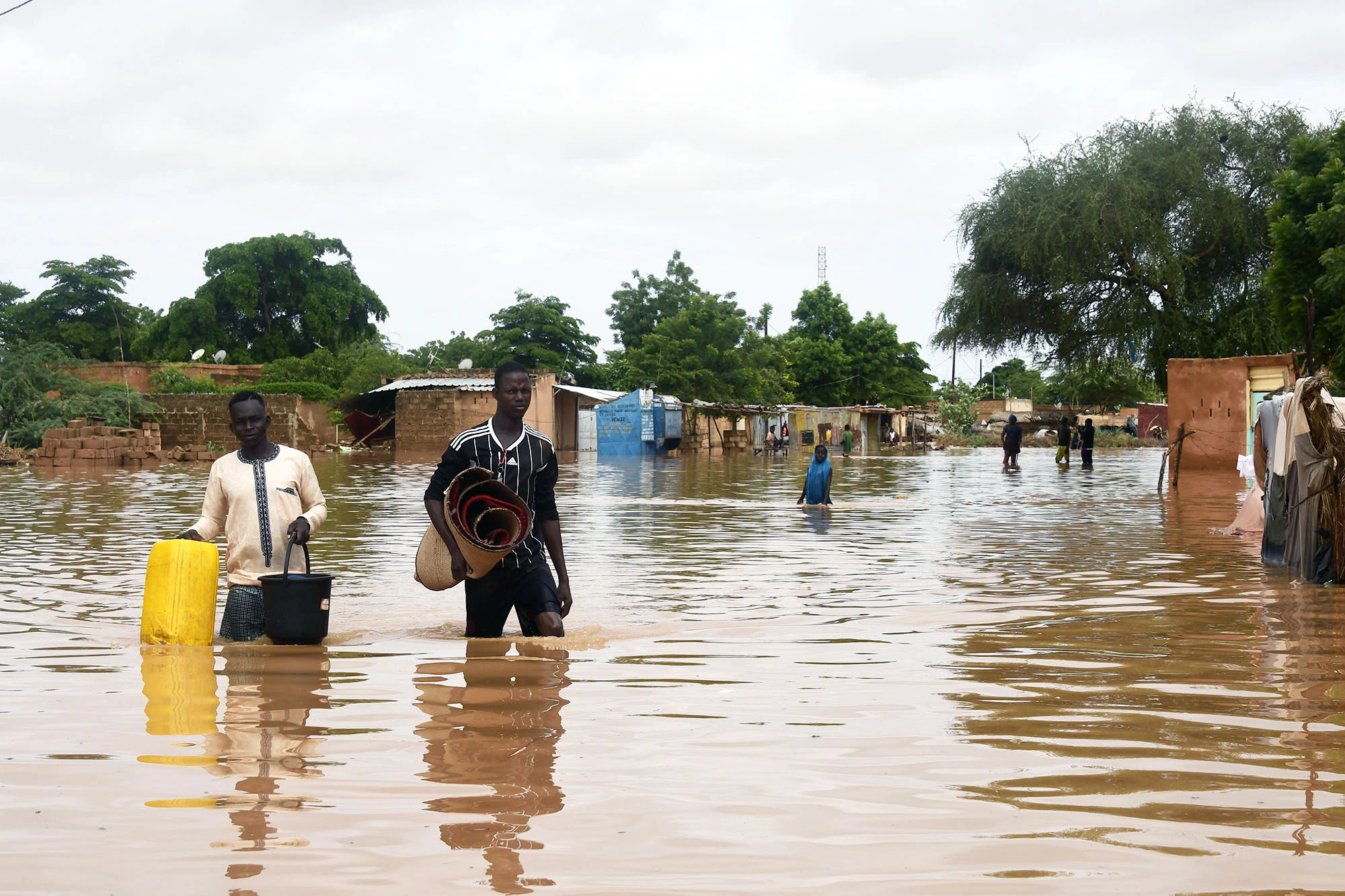
Drowning Sands: Sahel's Battle with Extreme Rainfall
Drowning Sands: Sahel’s Battle with Extreme Rainfall.
One-stop reference
Company Intelligence
Every listed company in Latin America — financials, ownership and structure for 1,450+ companies across 26 exchanges, in one place.
Browse the directory →
RT
Ask Rio Times
17 years of Latin America reporting, on demand.
Open the full Ask Rio Times →

Floods destroy crops, homes, and infrastructure, often leaving communities worse off than before.

Sahel’s Climate Vulnerability

The situation highlights the vulnerability of the Sahel to climate extremes. With 60-80% of the population relying on agriculture and pastoralism, these weather fluctuations have far-reaching impacts on food security and livelihoods.

Experts predict that climate change will continue to exacerbate these extremes. Temperatures in the Sahel are expected to rise by at least 2°C in the short term, 1.5 times higher than the global average.

This volatility poses significant challenges for a region already grappling with poverty, conflict, and rapid population growth.

It underscores the urgent need for climate adaptation strategies and improved disaster preparedness. As the Sahel navigates these new weather patterns, the international community must take notice.

In short, the region’s stability has global implications, affecting migration patterns and geopolitical dynamics far beyond its borders.

The story of the Sahel serves as a stark reminder of climate change’s unpredictable nature. It shows that even regions accustomed to water scarcity must now prepare for its excess.

This article was produced by The Rio Times’ automated newsroom system. How we use AI · Report an error

Part of our ongoing coverage

Africa: The New Scramble — the great-power contest over the continent.

More from Western Africa

Read More from The Rio Times

The Rio Times · Power Map
See who really holds power in Latin America
Click to open the Power Map

Rotate for Best Experience

This report is optimized for landscape viewing. Rotate your phone for the full experience.