Dominican Republic Negotiates to Soften a New 12.5% US Tariff
Economy
Key Facts
—The tariff. The US imposed a 12.5% tariff on Dominican goods, effective from July 24.
—The reason. Washington cites the country’s failure to adopt and enforce a ban on imports made with forced labor.
—The response. The Dominican industry-and-commerce ministry (MICM) is negotiating with the US to reduce it.
—The optimism. Minister Víctor Bisonó (Ito) Sanz Lovatón said he is confident the rate applied to Dominican exports can be lowered.
—The context. The Dominican Republic is one of 60 economies caught in the US forced-labor tariff action.
The Dominican Republic is the latest to feel Washington’s forced-labor tariff, and it is already asking for relief. A new 12.5% US duty took effect on July 24, and Santo Domingo is negotiating to bring the Dominican Republic tariff down.
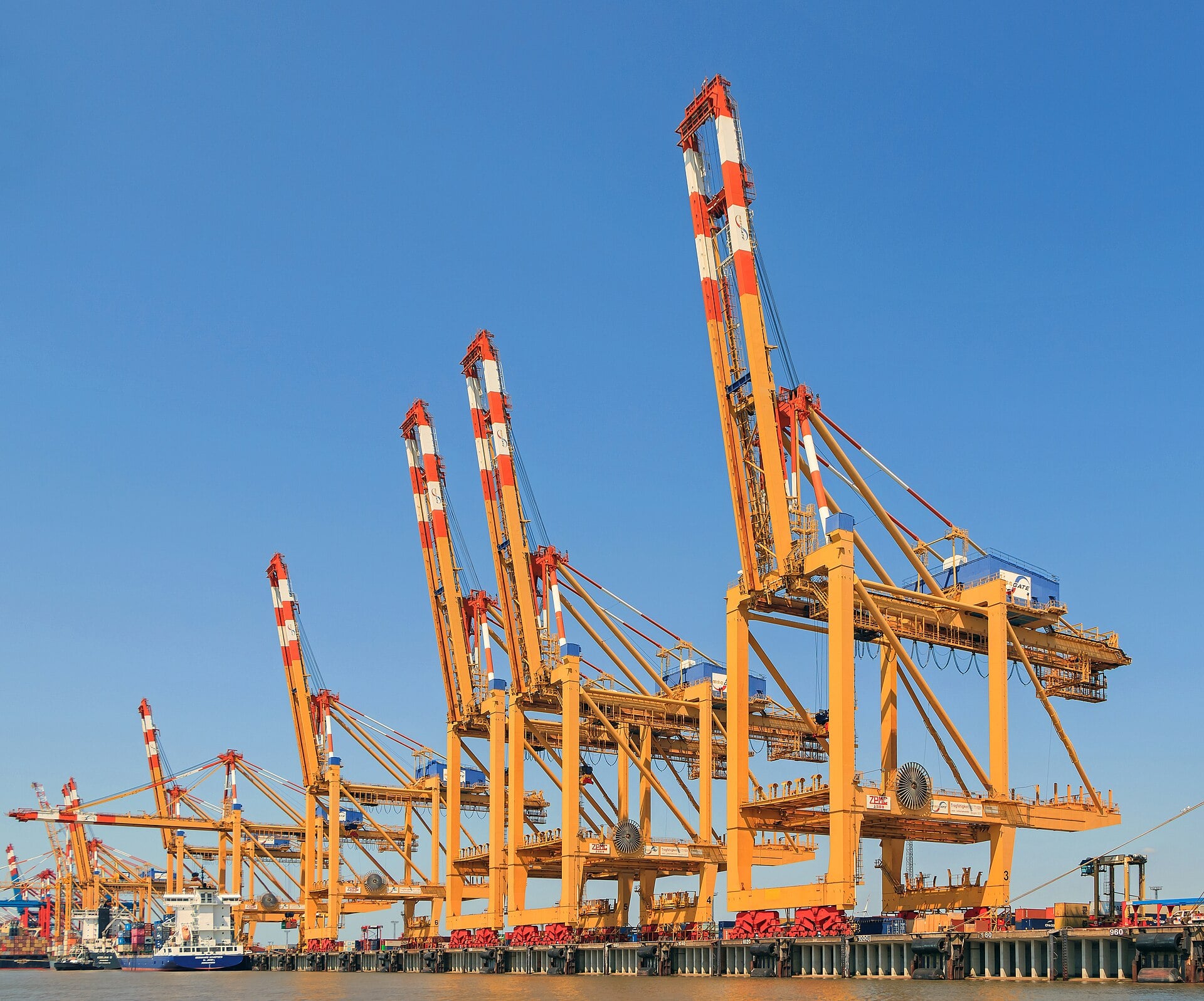
The Dominican Republic has built much of its economy on exporting to the United States, from free-zone manufacturing to farm goods. A new US tariff now complicates that.
Washington included the country among 60 economies hit for what it calls weak enforcement against forced-labor imports.
For readers outside the Caribbean, a free zone—sometimes called a free-trade zone—is a designated area where companies can import materials, manufacture goods, and re-export them with reduced or eliminated customs duties. In the Dominican Republic, these zones have become an engine of formal employment, particularly in textiles, medical devices, and electronics assembly.
Because the model depends on keeping production costs predictable, an unplanned tariff can quickly alter the calculations of US buyers who source from these factories.
The forced-labor rationale behind the measure is part of a wider US trade policy shift. Rather than targeting a single product or industry, Washington is using import bans on goods made with forced labor as a benchmark, and it is applying across-the-board tariffs on countries it judges are not enforcing those bans.
That explains why the list spans 60 economies, not just the Dominican Republic, and why the duties are set at either 10% or 12.5% depending on each country’s assessed enforcement level.
What Was Imposed
The US set a 12.5% tariff on Dominican products, effective for goods entering the United States for consumption from the early hours of July 24.
The stated reason is the country’s failure to adopt and effectively apply a ban on the import of goods produced with forced labor.
In plain terms, a tariff is a tax collected at the border, paid by the importer when the goods enter the United States. That cost is typically passed along the supply chain, making Dominican products more expensive for American wholesalers, retailers, and ultimately shoppers.
For a small, open economy that sends a large share of its output north, even a single-digit percentage-point increase can erode the price advantage that attracted buyers in the first place.
Santo Domingo Pushes Back
The Dominican Ministry of Industry, Commerce and Mipymes said it will keep negotiating with US authorities to try to lower the levy.
Minister Sanz Lovatón said the two countries remain in talks and expressed confidence that the rate on Dominican exports can be reduced.
The ministry’s public optimism signals that Santo Domingo believes the gap between Washington’s expectations and Dominican law is bridgeable. Often these negotiations involve committing to pass specific legislation, strengthening labor inspections at ports, or agreeing to a timeline for compliance.
The fact that the minister spoke openly about lowering the rate—rather than simply protesting it—suggests the government sees a path to a deal rather than a prolonged standoff.
Why It Matters
With the United States its largest trading partner, even a temporary tariff raises costs for Dominican exporters and clouds an otherwise strong economic moment for the country.
How quickly Santo Domingo can negotiate the rate down will shape the hit to its US-facing industries.
The broader significance goes beyond a single tariff number. The Dominican Republic has spent decades positioning itself as a reliable nearshore manufacturing hub for the US market, an alternative to more distant Asian supply chains.
A forced-labor tariff, even if temporary, introduces a new kind of risk that trade partners must now manage: compliance with labor-standards benchmarks that can be enforced through the tax code. For other Caribbean and Central American economies watching this case, the outcome may signal how much room there is to negotiate when Washington decides a partner has fallen short.
What the Tariff Hits
The United States is the Dominican Republic’s largest trading partner, buying goods from its free zones, textiles, medical devices, cigars and electrical products, as well as farm exports. A 12.5% duty raises the price of all of it in the US market.
Free zones are a pillar of Dominican employment, so higher tariffs risk orders and jobs if buyers shift to cheaper suppliers. That is why Santo Domingo is moving quickly to negotiate.
The forced-labor rationale is contested, with officials denying the country tolerates such practices and casting the measure as broader trade pressure. Washington says it is enforcing a standard many partners have failed to apply.
The timing is awkward, landing just as the Dominican economy accelerates. How fast the rate can be renegotiated will determine the hit to its export industries.
What to watch next is whether the Dominican government introduces new legislation or enforcement protocols that Washington accepts as sufficient progress. Another open question is whether any of the other 59 economies on the US list secure a reduction first, potentially creating a template that Santo Domingo could follow—or a precedent that raises the bar for everyone.
Finally, US importers themselves will be weighing whether to absorb the extra cost, pass it on to consumers, or begin looking for alternative suppliers, a calculation that could quietly reshape sourcing patterns even before the talks conclude.
More: Latin America news in English, every day from The Rio Times.
Frequently Asked Questions
What tariff did the US impose on the Dominican Republic?
A 12.5% tariff on Dominican goods, effective from July 24, over what Washington calls the country’s failure to adopt and enforce a ban on imports made with forced labor.
Is the Dominican Republic negotiating?
Yes. The Ministry of Industry, Commerce and Mipymes said it will keep negotiating with US authorities to lower the tariff, and the minister expressed confidence the rate can be reduced.
Is the Dominican Republic the only country affected?
No. It is one of 60 economies hit by the US forced-labor tariff action, which applies 10% or 12.5% duties depending on each country’s enforcement of import bans.
Sources
- Diario Libre – EE. UU. impone un arancel de 12.5% a República Dominicana
- Acento – MICM negociará con EE. UU. para reducir arancel del 12,5% impuesto a República Dominicana
Connected Coverage
- US Hits Brazil With a 12.5% Forced-Labor Tariff
- Dominican Republic’s Economy Grows 6.4% in June, Its Best Month
Sources: US imposed a 12.5% tariff on Dominican goods; Dominican industry-and-commerce ministry (MICM); Minister Víctor Bisonó (Ito) Sanz Lovatón.
This article was produced by The Rio Times’ automated newsroom system. How we use AI · Report an error · Editorial responsibility: Matthias Camenzind, Editor-in-Chief
LatAm Markets: Live Signals → — real-time movers, turnover leaders and FX across Latin America.