Cross-Border Payments, A.I. and Climate Action: Key Agendas for BRICS Summit in Rio
Brazil is set to host the BRICS leaders’ summit on July 6-7, 2025, in Rio de Janeiro, a pivotal event for the bloc of emerging economies.
Foreign Minister Mauro Vieira confirmed the dates following discussions with Rio’s Mayor Eduardo Paes, underscoring Brazil’s leadership as chair of BRICS for 2025.
The summit will gather leaders from 20 nations, including full members and partners, to address global challenges and foster deeper cooperation. BRICS, originally formed in 2009 by Brazil, Russia, India, and China, has expanded significantly.
Recent additions include Saudi Arabia, Egypt, Ethiopia, the UAE, Iran, and Indonesia (a full member since 2024). Nigeria also joined as a “partner country.” Together, BRICS now represents over 46% of global GDP and 55% of the world’s population.
Brazil aims to use its presidency to push for reforms in global governance and strengthen ties among Global South nations. The summit follows Rio’s successful hosting of the G20 Leaders’ Summit in late 2024.
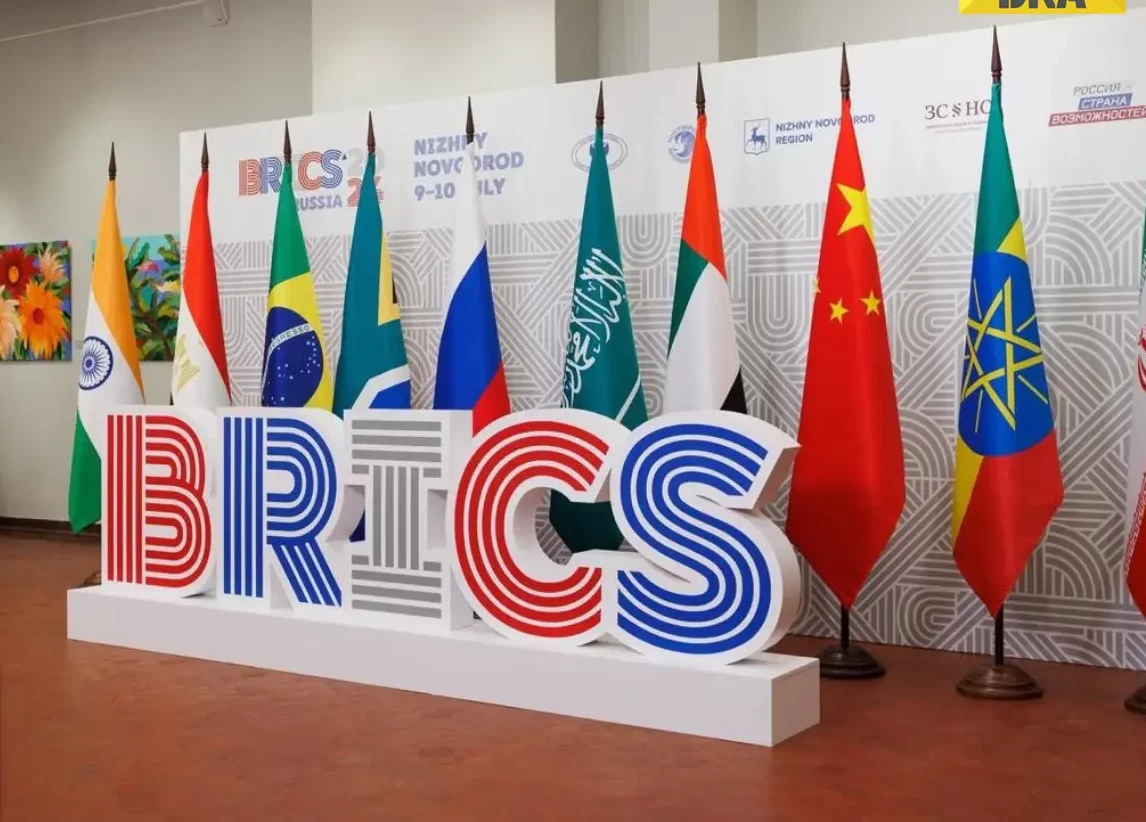
Brazil’s BRICS Summit
Mayor Paes has already established a commission to oversee preparations, highlighting the event’s potential to boost trade, tourism, and cultural exchange. Key topics on the agenda include advancing sustainable development, improving public health collaboration, and regulating artificial intelligence responsibly.
A major focus will be modernizing cross-border payment systems to reduce reliance on the US dollar. Instead of pursuing a common BRICS currency, Brazil is championing direct transactions in local currencies using secure technologies like blockchain.
This approach aligns with its successful domestic Pix payment system and aims to enhance trade without stoking geopolitical tensions. There is growing interest in BRICS membership from countries like Turkey and Malaysia.
With ongoing discussions about de-dollarization, this summit could reshape global economic dynamics. For Brazil, it’s an opportunity to assert leadership while addressing critical global issues collaboratively.
More: Brazil news in English, every day from The Rio Times.
This article was produced by The Rio Times’ automated newsroom system. How we use AI · Report an error · Editorial responsibility: Matthias Camenzind, Editor-in-Chief