Costa Rica Safety for Retirees: What the Numbers Show
Costa Rica · RETIREMENT
Key Facts
- Homicides 876 in 2024, 873 in 2025 (OIJ figures).
- Homicide rate 16.8 per 100,000 in 2025 (InSight Crime).
- Victims 20 of 873 killings in 2025 were aged 65+.
- Global Peace Index 2026 Costa Rica ranked 62nd of 163.
- Pensionado residency US$1,000/month lifetime pension required.
- Inversionista residency The threshold is unsettled: the reglamento sets US$200,000, while the US$150,000 window under Ley 9996 closed to new applicants on 14 July 2026. Confirm in writing with the DGME before committing capital.
Costa Rica is marketed as a top safe retirement spot, but homicide data and global peace rankings tell a different story. Here is what the numbers mean for you.
Costa Rica’s safe-retirement image rests on expat accounts and a peace index, not on crime statistics. The national homicide rate was 16.8 per 100,000 people in 2025, placing the country at the regional median, not among the safest.
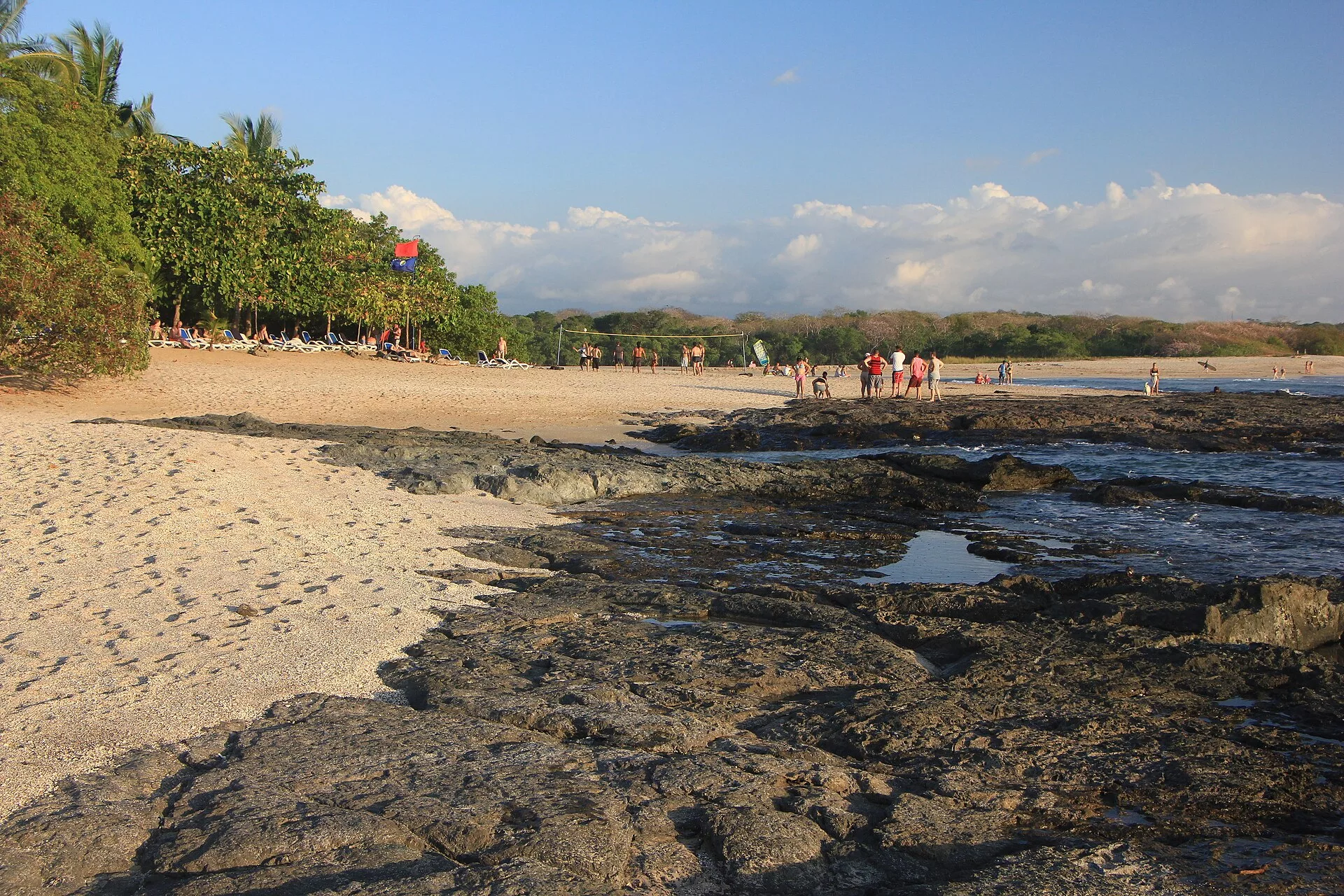
Costa Rica: The marketing claim vs. the data
International Living’s ‘The Safest Places to Retire in 2026’ (updated 18 Dec 2025) placed Costa Rica 10th among 11 safest. That ranking uses Global Peace Index, its Annual Global Retirement Index, and expat accounts.
That methodology is not crime-statistics ranking; Global Peace Index combines crime with conflict and militarization measures. It is a composite, not homicide rate.
The actual homicide numbers
Costa Rica recorded 876 homicides in 2024 and 873 in 2025 per OIJ (Jan 2026). 2023’s 907 was record; 2024-25 plateau high.
InSight Crime puts Costa Rica’s homicide rate at 17 (2024) and 16.8 (2025) per 100,000, near Latin America/Caribbean median of 17.6. That’s three times global average of 5.8 per 100,000 (2021, UNODC).
El Salvador’s rate was 1.3 per 100,000 in 2025, so Costa Rica is about thirteen times higher. Honduras recorded 23.2 per 100,000 in 2025, which is higher than Costa Rica.
Who the victims are
The national rate overstates a retiree’s risk. Of the 873 homicides in 2025, only 20 victims were aged 65 or over, according to OIJ’s victim breakdown.
Of 873 homicides in 2025, 787 (90%) were men; seven-to-eight in ten were ‘ajuste de cuentas’ (score-settling). About 85 victims were collateral.
With 550,000–660,000 people aged 65+, 20 deaths yields ~3–4 per 100,000 rate. Violence concentrates among younger men in drug gangs.
What the peace index shows
Global Peace Index (Institute for Economics & Peace) ranked Costa Rica 62nd of 163 in 2026, score 1.86. This fell from 54th in 2025.
The index combines crime and internal safety indicators with measures of ongoing conflict and militarization. A lower score means more peace, so Costa Rica sits in the middle of the global table, not among the safest countries.
Where the violence is
Homicides are unevenly spread; OIJ recorded 378 in H1 2026, down from 440 in H1 2025. That is a 62-case (14%) decline.
Provincial counts for the first half of 2026 show San José with 111 homicides, Limon with 86, and Puntarenas with 67. Puntarenas, which includes coastal expat areas, was one of only two provinces where homicides did not fall.
The decline in 2026 leads OIJ to project under 800 homicides for the full year. This follows the plateau in 2024 and 2025, so the trend is downward but not yet a return to earlier lows.
For a retiree, the practical risk is lower than the national rate suggests. The data show most lethal violence is tied to drug-trafficking disputes, not random attacks on tourists or older residents.
Residency options for retirees
Costa Rica offers three residency routes; Pensionado needs lifetime pension from Social Security, corporate, or military of ≥US$1,000/month.
The Rentista requires US$2,500 a month of guaranteed income certified for 24 months; a deposit of about US$60,000 in a Costa Rican bank is one way of evidencing that income, not an alternative to it. The Inversionista threshold is genuinely unsettled: the Reglamento de Extranjería sets US$200,000, while the US$150,000 figure came from the Ley 9996 investment window, which closed to new applicants on 14 July 2026. Ask the DGME for a written ruling before transferring funds.
All categories grant renewable temporary residency; apply for permanent after three continuous years. Fees: US$250 application, US$300 security deposit, DIMEX card ~US$123, certification ~US$30/document.
Annual renewals cost US$35 to US$125, so total first-year costs typically run US$400 to US$600. Rules and practice change, so confirm current thresholds with Costa Rica’s migration authority or an immigration attorney.
Healthcare and living costs
After approval, you must enroll in Caja public healthcare; contributions are sliding-scale: SEM (health) 2.89–10.69%, IVM (pension) 3.83–8.09%.
The combined burden runs from roughly 6.7 percent to about 18.8 percent of declared income. For a Pensionado declaring US$1,000 per month, estimates cluster near US$65 to US$70 a month.
Living costs vary; International Living (updated 5 Mar 2025) suggests US$1,600–2,000/month for single in Central Valley, US$2,500–3,000 for couple.
Coastal areas like Guanacaste run higher, but specific figures for that region are not confirmed in current data. These are approximate budgets, not official benchmarks.
The bottom line
Costa Rica is not the safest country in the world, but the national homicide rate overstates a retiree’s risk. The victims are overwhelmingly young men caught up in drug-trade violence, not older residents.
Marketing says safe, numbers say medium; safety depends on location and community engagement. Petty crime is common in urban areas, so secure housing and precautions matter.
The practical dangers for a retiree are more likely petty theft and burglary than homicide. The homicide rate is at the regional median, and the peace ranking is mid-table, so plan accordingly.
More: Latin America news in English, every day from The Rio Times.
Frequently Asked Questions
Is Costa Rica safe for American retirees?
Costa Rica is moderately safe for expat-area retirees; national homicide rate is 16.8 per 100,000, mostly drug-related among younger men. Of 873 homicides in 2025, only 20 victims were 65+, so retiree risk is much lower.
What is the cost of living for a retiree in Costa Rica?
International Living, updated March 2025, says single retirees need US$1,600–US$2,000 monthly in Central Valley; couples budget US$2,500–US$3,000. These are approximate, not official.
How much do I need to retire in Costa Rica?
Pensionado requires a lifetime pension of at least US$1,000 a month. Rentista requires US$2,500 a month certified for 24 months, which a bank deposit of about US$60,000 can evidence. The Inversionista figure is disputed between the US$200,000 in the reglamento and the US$150,000 window that closed on 14 July 2026.
Is healthcare free for retirees in Costa Rica?
Caja cover is not free. Independent and voluntary contributors pay on a progressive 2026 scale running from 7.05% to 19.11%, combining the SEM health and IVM pension components, and the percentage is applied to an income the Caja assesses rather than the figure declared. At the bottom of the scale a pensionado reporting US$1,000 a month pays in the order of US$70.
Sources
Related: Costa Rica Healthcare for Expats: Caja & Private
This article was produced by The Rio Times’ automated newsroom system. How we use AI · Report an error · Editorial responsibility: Matthias Camenzind, Editor-in-Chief