
REPUBLIC OF CONGO · AGRICULTURE
Key Facts
- —The country The Republic of Congo, also called Congo-Brazzaville, is an oil-exporting Central African country led by President Denis Sassou Nguesso, separate from the Democratic Republic of Congo.
- —What happened Experts from six Central African countries held a three-day regional workshop in Brazzaville, the capital, on eco-innovation in farming, Les Dépêches de Brazzaville reported on Wednesday 21 October 2026.
- —Who organised it Anvri, the national agency that turns Congolese research into practical projects, ran it with support from the OIF, the Organisation internationale de la Francophonie, which groups French-speaking countries.
- —Who took part Experts and researchers from Congo, Gabon, Cameroon, the Central African Republic, Equatorial Guinea and the Democratic Republic of Congo, plus public and private partners.
- —The idea Congo Basin living labs are test sites where farmers, scientists and companies try out nature-based farming methods together.
- —The result Participants listed the people, technology and money a joint regional programme would need, and the obstacles that could slow it down.
- —Still open No budget, start date or list of new sites for the joint programme has been announced.
Experts from six Central African countries met in Brazzaville, capital of the Republic of Congo, to refine plans for Congo Basin living labs. The three-day workshop was held around World Food Day, Friday 16 October 2026, the newspaper Les Dépêches de Brazzaville (ADIAC) reported on Wednesday 21 October.
For US readers, the topic matters because the Congo Basin holds the second-largest tropical rainforest on Earth, and farming presses on it. Congo Basin living labs are test sites for farming that works with nature, and no funding for them has been announced.
What Happened at the Brazzaville Workshop
The seminar was titled Laboratoires vivants dans le bassin du Congo, or living labs in the Congo Basin. Rigobert Maboundou, the Congolese minister of scientific research and technical innovation, chaired it, and his director of cabinet closed the proceedings, ADIAC said.
Experts and researchers from Congo, Gabon, Cameroon, the Central African Republic, Equatorial Guinea and the DR Congo attended, with public and private partners. They worked on eco-innovation solutions for nature-based agriculture.
What Living Labs Are and Who Backs Them
Congo Basin living labs are test sites where farmers, researchers, teachers, companies and inventors try new farming practices side by side. The OIF funds the Congolese lab, and its Central Africa office steers the work, according to the OIF’s own announcement of the launch.
The OIF’s 2024 to 2027 plan aims to support 10 Congo Basin living labs. In 2024 it backed three, in the Republic of Congo, Cameroon and the DR Congo.
Agritech, the Smart Farm Participants Visited
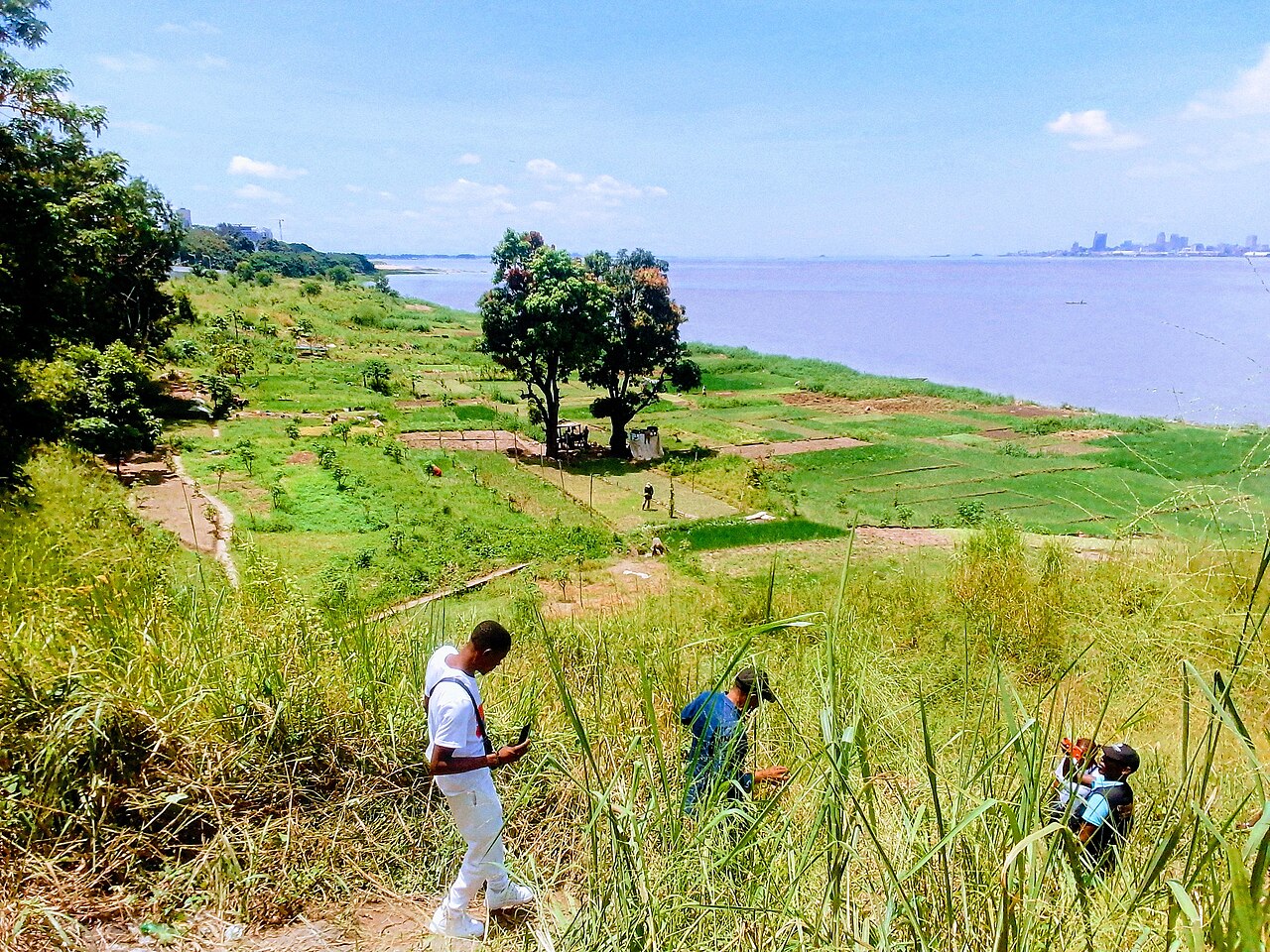
Participants toured Agritech, a smart teaching garden and incubator at the Cité scientifique research campus in Brazzaville’s Makélékélé district. Anvri created it as a training ground for students of plant production, ADIAC said.
Work there covers domesticating plant species, adapting new crop varieties, studying value chains, selling farm-food products and surveying consumers. Then-minister Delphine Edith Emmanuel launched the project on 30 July 2024, the Congolese news agency ACI reported at the time.
ACI described plans for a 1,000-square-metre (about 10,800 square feet) smart plot, with a 122-square-metre automatic greenhouse and five automatic irrigation systems. The project also planned local trials at three market-garden sites around Brazzaville.
What the Experts Concluded
Participants reviewed actions already under way and set out the human, technical and financial resources a concerted regional programme would need, ADIAC reported. They also listed the obstacles that could hold back eco-innovation labs in Congo Basin countries.
The main challenge they raised was the need for closer and more inclusive scientific cooperation among the countries of the sub-region. Participants called for wider and more inclusive scientific cooperation across the sub-region, ADIAC said.
Part of a Wider Push Across Central Africa
The Brazzaville meeting follows an OIF workshop that opened on Monday 5 October 2026 in Libreville, Gabon. It brought together 30 young people from six Congo Basin countries for five days on agroecology, agroforestry, bio-inputs and bankable business plans.
In late August, six Congo Basin countries adopted the Yaoundé Declaration on agroecology in Cameroon. It asks governments to steer at least 30% of farm investment plan budgets to agroecology.
What It Means for US Readers
Forests in the Congo Basin store large amounts of carbon, so farming methods that spare them matter to climate policy. Congo Basin living labs could also draw donor money and demand for farm technology, though the workshop produced no deals.
American agritech firms, universities and development funds could find partners in the network once funding is set. For background on the host country, see the Rio Times Republic of Congo explainer.
What Is Not Known
No budget, start date or list of new sites for the joint regional programme has been published. It is also open which donors, beyond the OIF, would pay for additional Congo Basin living labs.
The exact calendar dates of the three workshop days and the number of participants have not been stated. How many of the 10 labs the OIF plans for the Congo Basin are already running is also unclear.
More: Africa news in English, every day from The Rio Times.
Frequently Asked Questions
What did experts discuss in Brazzaville?
They worked on eco-innovation for sustainable, nature-based farming and on a joint programme of living labs in the Congo Basin. They also listed the people, technology and money such a programme would need.
Is this the Republic of Congo or the DR Congo?
Brazzaville is the capital of the Republic of Congo, also called Congo-Brazzaville. The Democratic Republic of Congo, whose capital is Kinshasa, sent experts but was not the host.
What is a living lab in farming?
It is a test site where farmers, scientists, companies and public bodies try new methods together in real conditions. The Congolese lab focuses on sustainable, climate-resilient vegetable growing.
Who organised and paid for the workshop?
Anvri, the Congolese national agency for research and innovation results, organised it with support from the OIF. No budget figure has been published.
Which countries took part?
Experts came from Congo, Gabon, Cameroon, the Central African Republic, Equatorial Guinea and the DR Congo. Public and private partners also attended.
Why does it matter outside Central Africa?
The Congo Basin forest is the second-largest tropical rainforest and stores large amounts of carbon. Farming methods that spare it affect climate policy, food supply and investors in the region.
Sources: Les Dépêches de Brazzaville (ADIAC), Bassin du Congo : les experts peaufinent les stratégies d’une agriculture éco-innovante, 21 October 2026; Organisation internationale de la Francophonie, Lancement officiel du Laboratoire vivant d’éco-innovation, 30 July 2024; Agence Congolaise d’Information, Lancement du projet laboratoire vivant d’éco-innovation, 30 July 2024; allAfrica, Gabon: L’OIF lance l’atelier régional pour l’agro-entrepreneuriat vert des jeunes du bassin du Congo, 8 October 2026.
This article was produced by The Rio Times’ automated newsroom system. How we use AI · Report an error · Editorial responsibility: Matthias Camenzind, Editor-in-Chief