Plan Patriota 2.0: US-Colombia Anti-Drug Pact Takes Shape
Colombia · Defense
Key Facts
—Framework status. Close to being structured but not yet signed or finalized, with negotiations expected to continue in the coming weeks.
—Key officials. Colombian Defense Minister-designate Jorge Mora and US Deputy Assistant Secretary of Defense Joseph Humire are leading the talks.
—Core pillars. The draft covers intelligence and surveillance, critical infrastructure protection, air and maritime interdiction, logistics, and criminal investigation.
—Regional hub. One proposal would create a Regional Training Center against Drug Trafficking and Transnational Threats inside Colombia.
—Broader context. The plan aligns with Colombia’s entry into the American Coalition against Cartels and a new national defense and security policy.
Colombia and the United States are close to structuring a new military cooperation framework called Plan Patriota 2.0, though officials caution the pact has not been signed and remains under active negotiation.
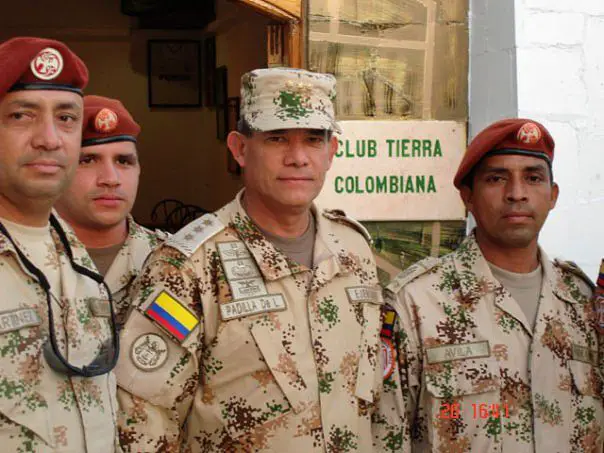
What Plan Patriota 2.0 Would Cover
The draft framework would span six operational areas, including intelligence and surveillance, as well as protection of critical national infrastructure.
It also envisions air and maritime interdiction, logistics, and criminal investigation.
For foreign investors and expats, the emphasis on protecting critical infrastructure signals a long-term commitment to stabilizing the zones where ports, energy grids, and transport corridors operate.
The inclusion of technology transfer suggests Colombia aims to modernize its security apparatus with US technical support, potentially creating procurement and partnership opportunities down the line.
Military Campaigns and a Regional Training Hub
The plan would support joint military and police campaigns in priority zones to stabilize security and help recover defense capabilities that assessments describe as deteriorated.
A notable proposal is the creation of a Regional Training Center against Drug Trafficking and Transnational Threats on Colombian soil, which would serve as a hub for allied forces.
If established, such a center would turn Colombia into a regional anchor for security cooperation, drawing personnel from across Latin America and the Caribbean for specialized instruction.
For the tourism and hospitality sectors, a permanent training hub could bring a steady, albeit modest, stream of foreign military and law-enforcement visitors to the host city.
Who Is Leading the Talks
On the Colombian side, Defense Minister-designate Jorge Mora has led the discussions, while the US team is headed by Joseph Humire, Deputy Assistant Secretary of Defense for Western Hemisphere affairs.
The framework emerged from meetings in Washington and at the Pentagon, with both governments expecting to continue detailed negotiations in the weeks ahead.
Mora is a seasoned figure in Colombian security circles, and his designation signals that the administration wants an experienced hand to shepherd the delicate bilateral conversations.
Humire, a Pentagon official focused on Latin America, has been a visible voice in shaping US engagement with the region, particularly around transnational threats and great-power competition.
Where the Plan Fits in Bilateral Security
Plan Patriota 2.0 is being designed as part of Colombia’s entry into the American Coalition against Cartels and is linked to a new national Policy for Defense, Security, and Citizen Coexistence.
Analysts note the initiative shifts focus away from the counterinsurgency roots of the original Plan Colombia and Plan Patriota, concentrating instead on drug trafficking, transnational threats, and modern defense capabilities. Critics and our reporting have shown that such frameworks can also deepen US military access and strategic footprint, raising sovereignty questions that echo past regional security pacts.
The original Plan Colombia, launched in the late 1990s, was a multibillion-dollar US aid package aimed primarily at fighting left-wing guerrilla groups and drug cartels simultaneously.
Its successor, the first Plan Patriota, doubled down on military offensives against the FARC insurgency in the early 2000s, making the current rebranding a clear strategic pivot.
What It Means for Expats, Investors, and Travelers
For the foreign community living in or considering Colombia, the framework signals that Washington and Bogotá are deepening security ties at a moment when both governments see transnational crime as a top-tier threat.
A more capable and well-equipped Colombian military and police force could, over time, improve safety in urban centers and rural areas that have struggled with armed-group activity.
However, because the pact is still in the design phase, no immediate operational changes should be expected, and the security landscape on the ground remains governed by existing bilateral agreements.
Investors eyeing sectors like energy, agriculture, and logistics should watch how the proposed interdiction and infrastructure-protection pillars translate into concrete deployments in high-risk departments.
What Happens Next
Negotiating teams are expected to continue detailed talks in the coming weeks, with no public timeline for a signing ceremony or legislative approval process in either country.
Once the framework is finalized, it would likely require formal ratification steps in Colombia and notification to the US Congress, depending on the scope of financial and military commitments.
In the interim, both governments are managing expectations, emphasizing that the headlines have moved ahead of the diplomatic reality and that the pact remains a work in progress.
Readers should monitor statements from the Colombian Ministry of Defense and the US Embassy in Bogotá for the first concrete indicators that the framework has moved from design to formal adoption.
More: Colombia news in English, every day from The Rio Times.
Frequently Asked Questions
Is Plan Patriota 2.0 already signed?
No. Reports from July 21, 2026, confirm the framework is still being structured and has not been finalized or signed by either government. Both sides stress that negotiations will continue in the weeks ahead, and no binding commitments have been made.
How is this different from the original Plan Patriota?
The original plan focused heavily on counterinsurgency, while the new version prioritizes counternarcotics, transnational organized crime, and rebuilding broader military capabilities. It also adds modern pillars like critical infrastructure protection and a proposed regional training hub, reflecting how security challenges have evolved over two decades.
Who are the main officials negotiating the pact?
Colombia’s Defense Minister-designate Jorge Mora and US Deputy Assistant Secretary of Defense Joseph Humire are the lead officials named in the ongoing discussions. Their teams met in Washington and at the Pentagon, and they are expected to continue detailed negotiations in the near term.
Connected Coverage
Sources: Colombian Defense Minister-designate Jorge Mora; US Deputy Assistant Secretary of Defense Joseph Humire.
This article was produced by The Rio Times’ automated newsroom system. How we use AI · Report an error · Editorial responsibility: Matthias Camenzind, Editor-in-Chief
Read More from The Rio Times