Colombia Gas Rationing Ordered After Cartagena LNG Terminal Failure
Key Facts
Colombia has ordered scheduled gas rationing across the whole country after a fault at a single terminal. The mines and energy ministry announced the measure on Friday and called it preventive and temporary.
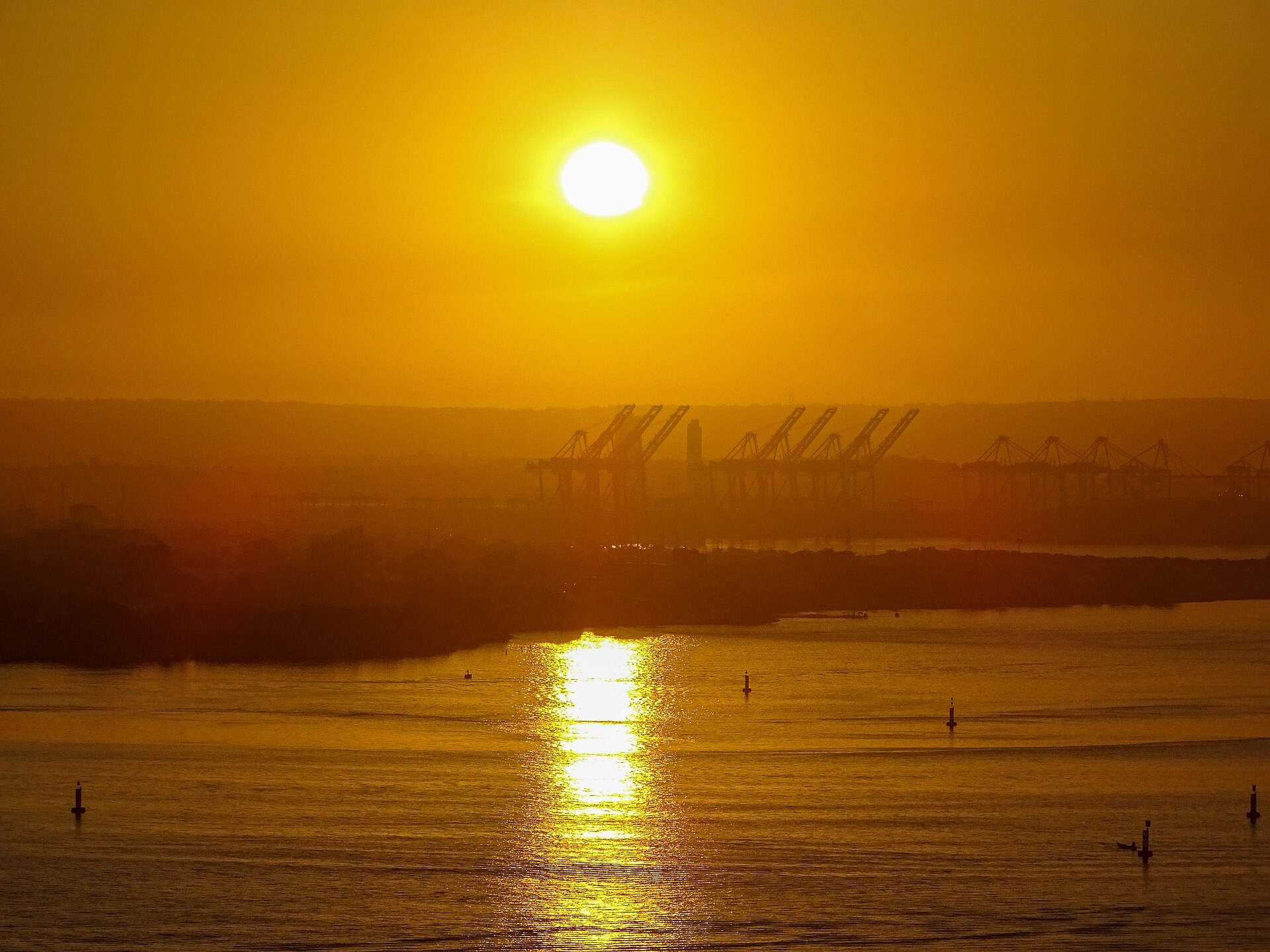
The problem is at SPEC LNG in Cartagena Bay, the only place where Colombia can land imported gas. Its delivery capacity has dropped from 475 to 400 million cubic feet a day while repairs are done.
What Failed in Cartagena
SPEC LNG is a floating terminal rather than a plant on land. A moored vessel receives liquefied natural gas from tankers, warms it back into gas and sends it into the national pipeline grid.
One of the vessel’s four processing trains stopped working. The company described the problem as an unforeseen operating condition, and neither it nor the ministry has named the component that failed.
El Colombiano reported that the fault sits in the floating storage and regasification unit itself. That is the ship that does the warming, which is why the loss of one train cuts national capacity.
The scale of the loss is 75 million cubic feet a day. El Espectador put that at close to 16 percent of what the terminal normally delivers to the country.
What Rationing Actually Means Here
The Spanish phrase used by the ministry is racionamiento programado, or scheduled rationing. It does not mean random cuts, and it does not mean anybody has run out of gas.
It means the regulator sets an order of priority and distributors follow it. Users at the bottom of that order get less gas, or none, until the supply comes back.
The ministry has been explicit that homes are not the target. El Espectador quoted its line that the resolution does not announce cuts to household gas.
The measure was declared for the whole country rather than for one region. In practice the restrictions fall on a narrow set of large users rather than on the general population.
Who Keeps Their Gas and Who Loses It
The top tier is what the ministry calls essential demand. It covers households, hospitals, schools and mass transport systems, and those users are served before anybody else.
The second tier is thermal power generation and the industries that keep refineries running. They sit above general industry because losing them would take out electricity or fuel supply.
General industry sits below both and absorbs the reduction. El Heraldo put industrial users at roughly 7 percent of national gas consumption.
Firm export contracts sit at the very bottom of the list, El Espectador reported. Colombian outlets have not said whether filling stations that sell compressed gas for vehicles face restrictions.
The Electricity Problem Behind It
Gas is not only a cooking fuel in Colombia, and that is what makes this a power story. Thermal power stations burn gas to generate electricity when there is not enough water behind the dams.
Alejandro Castaneda, who leads the power generators’ association Andeg, said the plants need the remaining 400 million cubic feet a day to keep generating. He told El Heraldo that industry would therefore take the loss.
Castaneda has been warning about the gas balance for weeks rather than days. He told Semana this month that September would be a hard month for gas in Colombia.
The generators’ association is an interested party, and it says so openly. Its members would be the first to suffer if gas were diverted away from power stations.
Why Colombia Imports Gas at All
Colombia supplied itself with gas for more than four decades and stopped doing so in December 2024. Domestic fields have aged, and no large onshore discovery has replaced them.
Imports have grown quickly since then. Reports of Friday’s decision put imported gas at about 30 percent of what the country now consumes.
Every molecule of that comes through one place. SPEC LNG in Cartagena is the country’s only import and regasification terminal, which is why one broken train becomes a national measure.
Infobae reported that a second terminal on the Pacific coast is expected to start operating in November. Until it does, Colombia’s imported gas has no alternative route.
What Happens Next
SPEC LNG has given itself seven days for the corrective work. That points to full capacity returning on 1 October, which is a repair target rather than a government promise.
The ministry has tied the end of rationing to the company rather than to the calendar. It says the measure lifts when SPEC LNG confirms the technical condition has been overcome.
The longer question is the one the country keeps returning to. Colombia’s new president has promised more exploration and a return to fracking, and Ecopetrol is developing the Sirius gas field offshore.
None of that helps this week. Sirius is not due to produce until the end of 2029, so the gas keeping Colombian factories running this month still arrives by ship.
Frequently Asked Questions
Will households lose gas?
The ministry says no, and homes are at the top of its priority list along with hospitals, schools and mass transport. Industrial users absorb the reduction instead.
How long is the rationing expected to last?
SPEC LNG says the repair takes seven days, which points to 1 October. The ministry says rationing ends when the company confirms the fault is fixed.
Why does one terminal matter so much?
SPEC LNG in Cartagena is Colombia’s only liquefied natural gas import and regasification terminal. Roughly 30 percent of the gas the country burns arrives through it.
Could this cause power cuts?
The generators’ association says thermal plants need the remaining 400 million cubic feet a day to keep generating. It has not forecast a blackout from this fault.
Why does Colombia import gas?
Domestic fields have declined and the country stopped supplying itself in December 2024. New reserves, including the offshore Sirius field, are years from producing.
This article was produced by The Rio Times’ automated newsroom system. How we use AI · Report an error
Read More from The Rio Times