China’s Middle East Maneuvers: From Neutrality to Advocacy
Historically, China has maintained neutrality in Middle Eastern conflicts, balancing its global interests.
Recently, however, its stance has notably shifted, particularly evident in its reactions to tensions in Gaza.
This change is part of a broader strategy to redefine China’s global role, moving from passive engagement to active advocacy.
This gesture of solidarity hinted at China’s readiness to offer Israel alternative support, potentially decreasing its U.S. reliance.
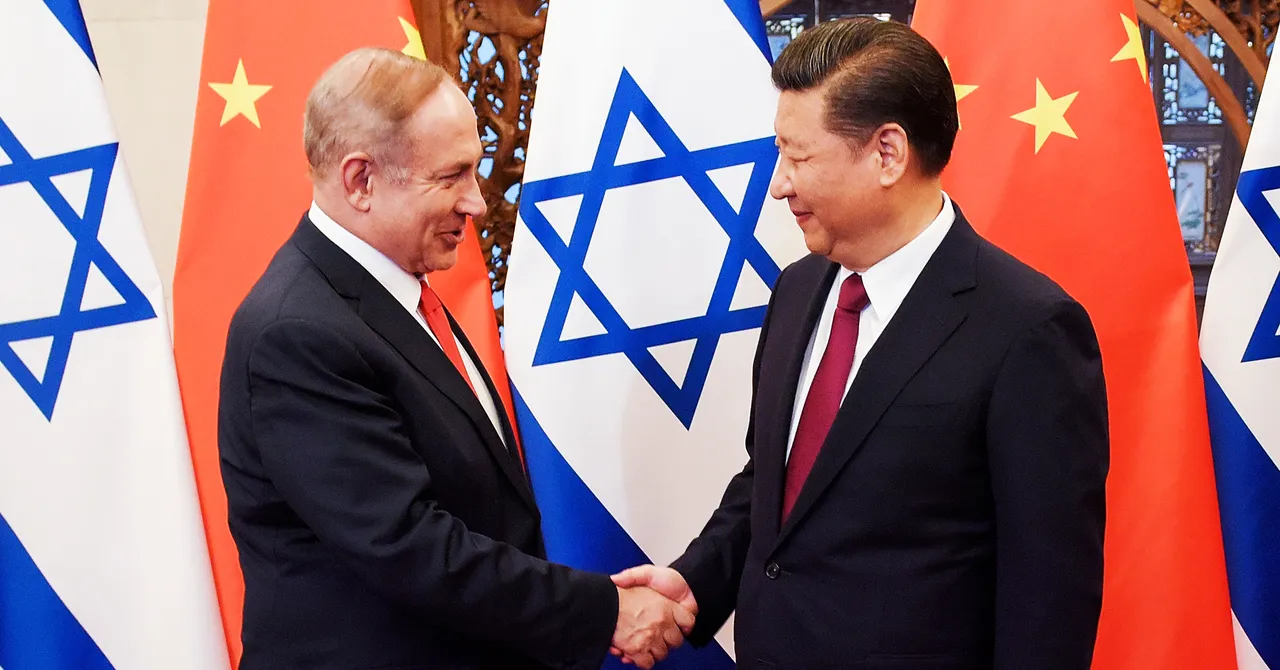
The crisis in Gaza, triggered by a Hamas attack, marked a departure from China’s typical diplomatic caution.
This time, China openly criticized Israel’s retaliatory measures without condemning Hamas, aligning more with Palestinian self-determination.
This stance was further emphasized by hosting a Hamas delegation and making statements at international legal forums.
China’s Strategic Pivot in the Middle East
China’s recent alignment with Iran also underscores its regional pivot. Beijing defended Iran’s missile and drone attacks on Israel as self-defense, shifting from its previous diplomatic restraint.
This reflects China’s ambition to challenge the U.S.-led global order by aligning with major oil-producing nations and enhancing ties with both Iran and Saudi Arabia.
This strategic realignment has repercussions. Israel has expressed dissatisfaction with China’s stance, aligning itself with global concerns regarding China’s human rights records.
In response, Israel has bolstered relationships with other regional actors such as Taiwan and India.
China’s evolving role in Middle Eastern geopolitics, coupled with its economic ambitions, highlights a complex overlay of diplomatic, economic, and strategic goals.
This shift redefines China’s foreign policy and could reshape regional dynamics, signaling a potential reordering of global alliances and influences in the Middle East.
Monitoring this development is crucial, providing insights into the changing landscape of international relations.
This article was produced by The Rio Times’ automated newsroom system. How we use AI · Report an error
Read More from The Rio Times