China’s Economic Toll from Natural Disasters Soars in Third Quarter
China faced a staggering increase in economic losses due to natural disasters in the third quarter of 2024. The country grappled with severe weather events, including powerful typhoons and devastating floods.
These incidents highlight China’s growing vulnerability to extreme climate phenomena. The Ministry of Emergency Management released alarming figures on Tuesday, October 22.
Direct economic losses from July to September reached a whopping 230 billion yuan ($28.3 billion). This amount more than doubled the losses recorded in the first half of the year.
The impact of these disasters extended far beyond financial damage. Over 84 million people felt the effects of these calamities in the first nine months.
Tragically, 836 individuals lost their lives or went missing during this period. The disasters forced nearly 3.35 million people to evacuate their homes urgently.
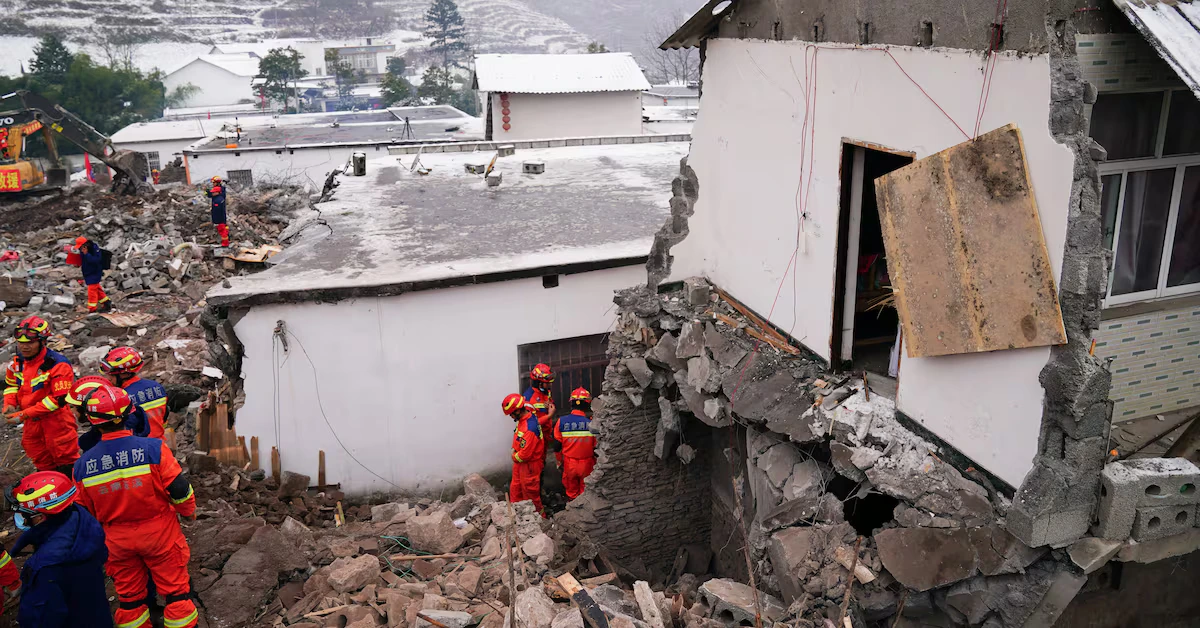
In addition, property damage was extensive. The ministry reported 50,000 houses completely destroyed and 630,000 others damaged.
Impact of Natural Disasters
The agricultural sector also suffered greatly, with about 9.05 million hectares of crops affected. These losses have disrupted food supply chains and driven up consumer prices.
September saw Shanghai, China’s financial hub, paralyzed by Typhoon Bebinca. This tropical cyclone was the most powerful to directly hit the city in seven decades.
In October, Super Typhoon Yagi, the strongest ever recorded, battered Hainan province. It cut off power to almost one million homes.
The frequency and intensity of these weather events have raised concerns about climate change. China launched a national adaptation strategy over two years ago.
However, the mounting economic losses suggest that the country still struggles to build resilience against natural disasters.
As China continues to face these challenges, the need for effective disaster management and climate adaptation strategies becomes increasingly urgent. The country must balance economic growth with environmental protection to ensure a sustainable future.
This article was produced by The Rio Times’ automated newsroom system. How we use AI · Report an error
Read More from The Rio Times