China’s Deadly Dilemma: Rising Violence Tests Xi’s Security State
In 2024, China faced an unprecedented surge in violent attacks, challenging President Xi Jinping’s vision of a harmonious society. Over 20 incidents claimed more than 90 lives, exposing cracks in the nation’s vaunted security apparatus.
The deadliest attack occurred in November when a 62-year-old man, angered by his divorce settlement, drove an SUV into a crowd in Zhuhai, killing 35 and injuring 43.
This tragedy prompted a rare public response from Xi, who called for strengthened “prevention and control of risks at the source”. These attacks, dubbed “revenge on society” crimes by Chinese netizens, stem from various grievances.
Economic pressures, including an 18.8% youth unemployment rate and growing wealth inequality, contribute to social tensions. Mental health issues and personal disputes also play a role.
Xi’s government has responded with increased surveillance and censorship. Officials are now tasked with identifying potential threats among “eight types of losers” in society, including the unemployed and emotionally frustrated.
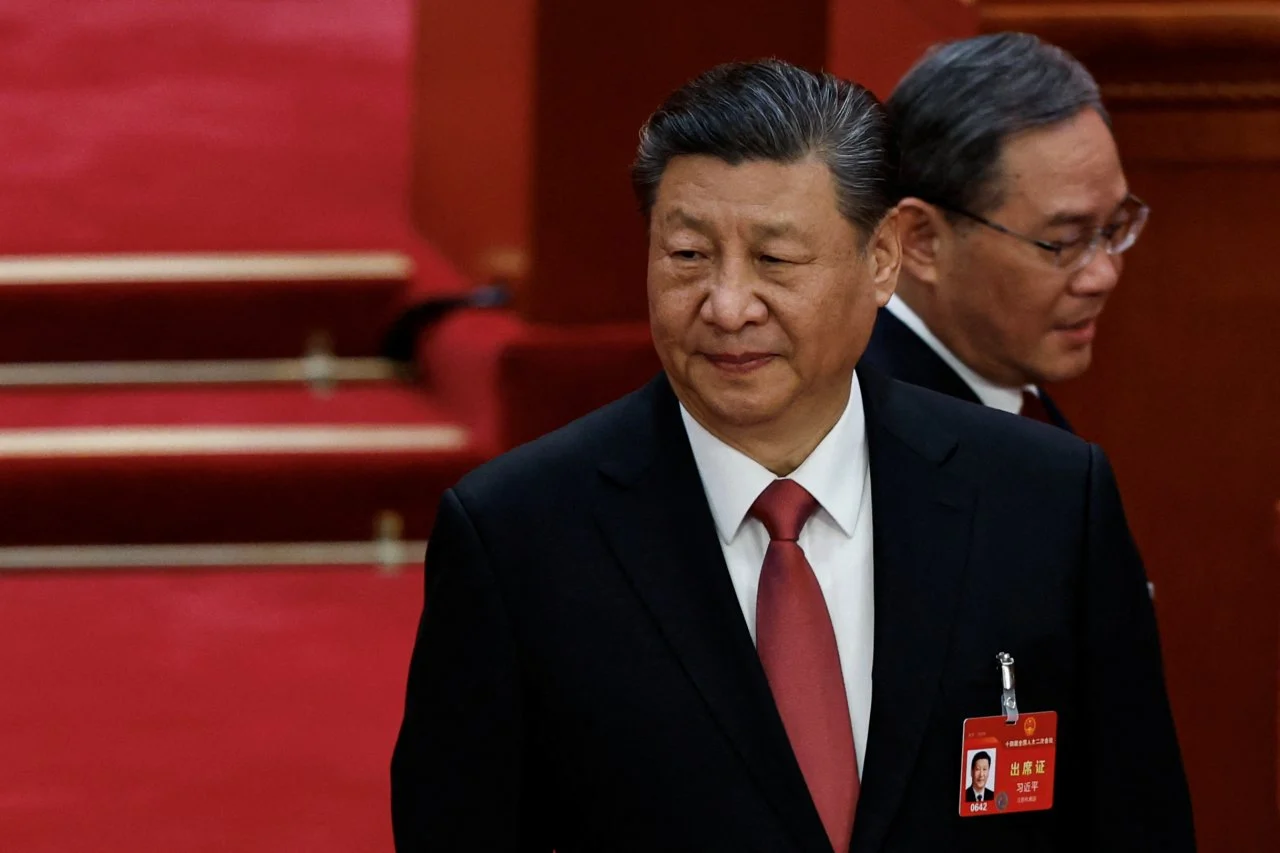
This approach, however, raises concerns about privacy and civil liberties. The surge in violence poses a significant challenge to Xi’s leadership.
It undermines the CCP‘s narrative of China as one of the world’s safest countries and exposes limitations in the state’s ability to prevent such incidents.
As China grapples with this crisis, the balance between security and addressing root causes of societal discontent remains precarious. The government’s response will likely shape the nation’s social and political landscape in the coming years.
This article was produced by The Rio Times’ automated newsroom system. How we use AI · Report an error
Read More from The Rio Times