Chile Hospital Denies Refusing Migrant Girl
The family says staff demanded a provisional ID number or payment, while the hospital says care is never conditioned on documents. A review is under way.

Chile Health
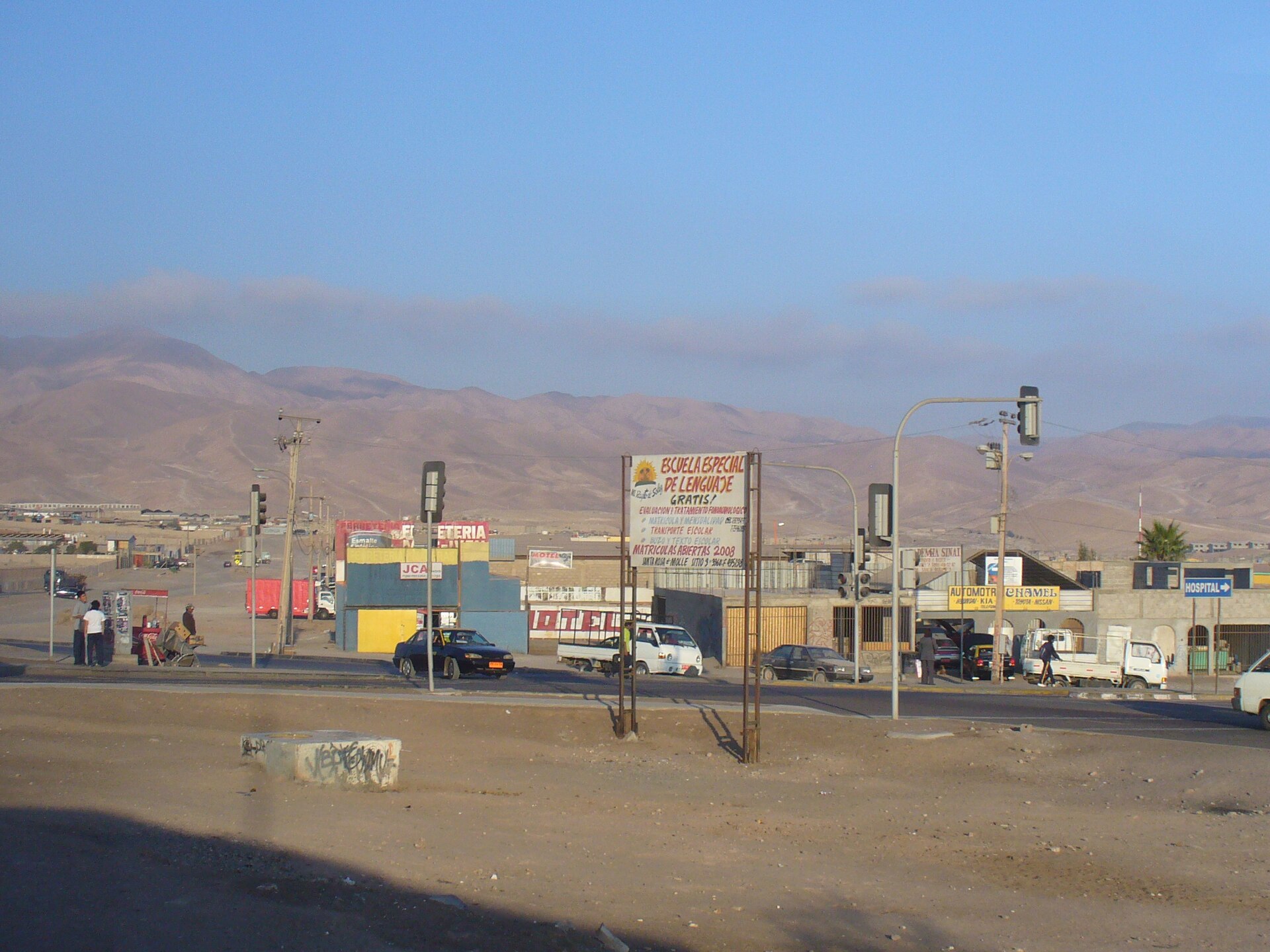
A migrant family in northern Chile says a public hospital turned their sick daughter away over a missing ID number, and she died after being sent on to a nearby clinic. The Hospital de Alto Hospicio says it never refuses emergency care and has begun a review of what its staff did on Friday 20 November 2026.
AMPRO Tarapacá, a migrant-rights assembly in Chile’s Tarapacá Region, made the allegation public on 23 November. The family’s account and the hospital’s differ on key points, and no official finding has been published.
Key Facts
- Who. AMPRO Tarapacá, a migrant-rights assembly in northern Chile, and the public Hospital de Alto Hospicio.
- What. A migrant family says the hospital refused their sick daughter; the hospital denies it.
- Where. Alto Hospicio, in Chile’s Tarapacá Region, and a nearby public clinic.
- When. Disputed: Thursday 19 or Friday 20 November 2026. No official finding yet.
- As of. Wednesday 25 November 2026, 06:00 GMT
The family says staff demanded a provisional ID number or payment, while the hospital says care is never conditioned on documents. A review is under way.
According to AMPRO, the girl, who had epilepsy, was brought to the hospital’s emergency service on Thursday 19 November after convulsions. It says staff asked for a provisional RUT, a temporary version of Chile’s national ID number, and, in its account, for payment.
Migrants awaiting residence papers receive a provisional RUT, short for Rol Único Tributario. AMPRO says the family had no money and was sent to the Cesfam (Centro de Salud Familiar) Dr. Héctor Reyno, a public primary-care clinic known locally as Alto Rey, where the girl died of respiratory arrest linked to convulsions.
AMPRO questioned the administrative and economic barriers that migrants face in public health care. It cited Decree No. 67 of 2016 of Chile’s health ministry, Law 21.325 on migration and foreigners and Law 21.430 on children’s rights, which it says guarantee access to care whatever a person’s migration status.
The girl’s father gave his account on 24 November. He said he went to the emergency desk with his two daughters because the older one was unwell.
He said he told staff he had a paper showing the provisional RUT would be issued on Monday. He added that staff told him to produce it at once or pay 53,000 pesos (about US$51 at USD/CLP 1,033.5) for private care.
He left on foot for the Cesfam, and on the way the girl began to convulse. He said Cesfam staff did all they could, but she suffered a respiratory arrest and died.
The father said he holds details that could identify two staff members and wants the case investigated. The dates differ between accounts: he says Friday, AMPRO puts the hospital visit on Thursday 19 November, and the hospital refers to care given on Friday 20 November.
The hospital regretted the death and offered condolences. In its first statement, translated here from Spanish, it said: “As a public hospital, access to care is not conditioned on prior payment or on administrative documentation.”
In a second statement on 24 November it said: “Emergency care is not refused or made conditional on prior payment.” It says its management ordered an administrative inquiry (sumario) and a review of the records of Friday 20 November to assess whether staff acted properly, and it declined to discuss details to protect the family’s privacy.
The Ministerio Público, Chile’s public prosecution service, ordered steps by the police investigation unit of the Carabineros, Chile’s national police, and by the Servicio Médico Legal in Iquique, the state forensic service. The autopsy left the cause of death undetermined, and a histological analysis (a study of tissue samples) will be run in the Santiago region.
Nobody can yet say whether the alleged refusal played any part in the death. The hospital’s review is an internal process and the prosecutors’ steps are a separate track, and neither has published a finding.
Our Chile coverage follows the case. It will report the review’s findings once they are published.
No date has been set for the review’s findings or for the tissue analysis. What was said at the emergency desk, and whether it changed the outcome, is not yet established.
Frequently Asked Questions
Did the hospital refuse to treat the girl?
The family alleges it did, and the hospital denies it. The hospital has ordered an administrative inquiry and a review of the care given on Friday 20 November.
What happens next?
The hospital’s review and the tissue analysis are pending. No date has been given for either.
What is a provisional RUT?
It is a temporary version of Chile’s national ID number for migrants awaiting residence papers. The hospital says emergency care is not conditional on documents.
Sources
AMPRO Tarapacá, public statement, 23 November 2026; Statements of the girl’s father, 23 and 24 November 2026; Hospital de Alto Hospicio, public statements of 23 and 24 November 2026; Ministerio Público and Servicio Médico Legal de Iquique, steps ordered in the case, 23 November 2026 update; Decree No. 67 (2016), Law 21.325 and Law 21.430, as cited by AMPRO
This article was produced by The Rio Times’ automated AI newsroom. Editorial responsibility: Matthias Camenzind, Publisher and Editor-in-Chief. The Rio Times also runs Ask Rio Times, which answers from 100,000+ of our own articles, the daily Latin America Power Map, and prediction-market odds on elections and markets.. How we use AI · Report an error
Connected Coverage