Central American Split Deepens Over Russian Observer Status in the Regional Parliament
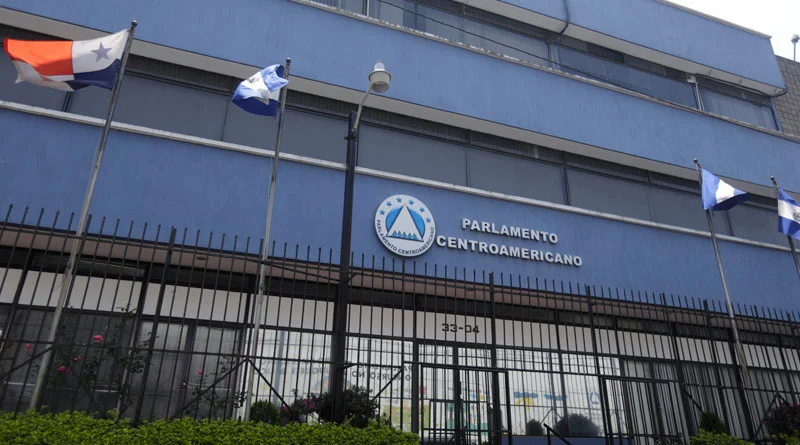
Guatemala has joined Panama in opposing Russia’s entry into the Central American Parliament (Parlacen). President Bernardo Arévalo firmly rejected Russia’s inclusion as an observer state.
He argued that this move violates the principles of the 1991 Tegucigalpa Charter. The charter establishes Central America as a region dedicated to peace and democracy.
Most Central American governments have supported Ukraine in its conflict with Russia. Nicaragua stands as the sole exception, maintaining close ties with Moscow.
Arévalo criticized Nicaraguan President Daniel Ortega for violating the fundamental rights of his citizens. He emphasized Guatemala‘s clear stance against the suppression of political rights in Nicaragua.
Guatemala recently welcomed 135 Nicaraguan political prisoners released through U.S. mediation. This action underscores Guatemala’s commitment to human rights in the region.
In addition, the prisoners had been arbitrarily detained by Ortega’s government, sparking international concern.
Russia’s observer status in Parlacen still requires final ratification from both parties. The process may take up to eight months, according to the forum’s press office.
Central America’s Shifting Geopolitical Landscape
Russia has shown interest in Parlacen since 2018, leveraging its close relationship with Nicaragua. Parlacen, established in 1991, comprises representatives from six Central American countries.
These include El Salvador, Guatemala, Honduras, Nicaragua, Panama, and the Dominican Republic. Costa Rica and Belize have chosen not to participate in the regional forum.
The organization already includes several observer states. Mexico, Morocco, Puerto Rico, Venezuela, and China hold this status. China’s entry in 2023, proposed by Nicaragua, led to Taiwan’s withdrawal from the forum.
Guatemala’s rejection of Russia‘s entry reflects a growing divide in Central America. The region struggles to balance international relationships while maintaining democratic principles.
Panama’s similar stance against Russia’s inclusion further emphasizes this trend. The situation underscores the challenges faced by Central American countries.
They must navigate complex geopolitical waters while upholding their commitment to democracy and human rights.
The rejection of Russia’s entry by Guatemala and Panama signals a potential shift in regional priorities. This development may have far-reaching implications for Central America’s international relations.
In short, it could influence future diplomatic ties and regional cooperation efforts. As the situation unfolds, observers will closely watch the reactions of other Parlacen members.
More: Latin America news in English, every day from The Rio Times.
This article was produced by The Rio Times’ automated newsroom system. How we use AI · Report an error
Read More from The Rio Times