Carla Zambelli Joins Conservative Exodus as Brazil Faces Political Upheaval
Carla Zambelli, a federal deputy from São Paulo, left Brazil for Europe after the Supreme Federal Court sentenced her to ten years in prison for orchestrating a cyberattack on the National Justice Council’s electronic system in 2023.
This ruling, confirmed unanimously by the court’s First Chamber, also ordered her to pay R$2 million (about US$356,000) in collective damages.
The Prosecutor General’s Office identified Zambelli as the mastermind behind the hack, which involved issuing a false arrest warrant against a Supreme Court justice.
Investigators found that confessed hacker Walter Delgatti carried out the attack at her request. Delgatti received an eight-year sentence and shares financial liability with Zambelli.
Zambelli’s departure follows a growing trend among Brazil’s conservative figures who claim judicial persecution.
She cited her European citizenship as a reason for feeling secure abroad and announced plans to request a leave from her parliamentary duties.
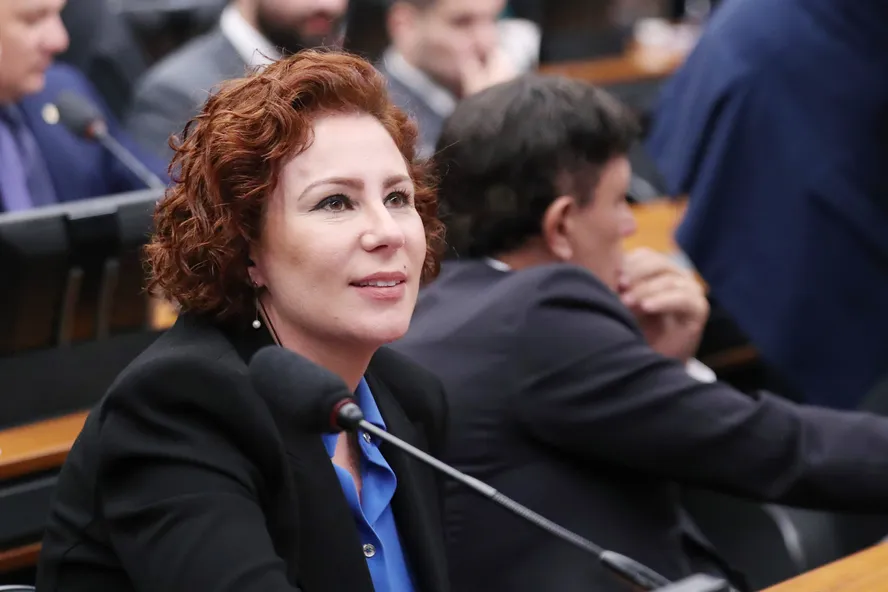
Zambelli’s defense challenged the fairness of her virtual trial and argued that the evidence against her was insufficient.
She faces a separate criminal case for brandishing a firearm and stalking a journalist in 2022, for which the court has already voted for a five-year sentence, though final proceedings remain pending.
Her exit mirrors recent moves by other prominent conservatives. Eduardo Bolsonaro, son of former president Jair Bolsonaro, relocated to the United States in early 2025, stating he would seek political asylum.
He claimed that judicial actions targeting him and his family amount to political persecution. Eduardo’s case followed calls from lawmakers to seize his passport, though no formal charges were filed against him.
He has used his time abroad to rally international support for Brazil’s right-wing movement and criticized the judiciary’s role in prosecuting figures linked to the 2023 Brasília protests and alleged coup plots.
Brazil’s Conservative Exodus
This pattern extends beyond politicians. Journalists and influencers such as Allan dos Santos, Ludmila Lins Grilo, and Monark have also left Brazil, citing legal threats and blocked social media accounts.
Many of these exiles argue they only exercised free speech, yet face severe penalties at home.
Critics of Brazil’s Supreme Court claim its actions resemble those of authoritarian regimes, while supporters argue such measures are necessary to protect democratic institutions from misinformation and unrest.
The exodus of conservative voices raises questions about Brazil’s political stability and the resilience of its democratic framework.
With about 30% of the electorate identifying with the right, the departure of high-profile figures like Zambelli and Eduardo Bolsonaro signals a deepening divide.
These developments have direct implications for Brazil’s business environment, as political uncertainty can affect investor confidence and the broader economy.
Zambelli’s move to Europe, following the path of other conservative exiles, illustrates how Brazil’s internal conflicts are now shaping international narratives about democracy, justice, and political freedom.
For the full picture, see our Brazil Tax Reform: Complete Guide.
More: Brazil news in English, every day from The Rio Times.
This article was produced by The Rio Times’ automated newsroom system. How we use AI · Report an error
Read More from The Rio Times