Brazil’s Supreme Court Sets 40-Gram Marijuana Limit, Signals Shift in Brazil’s Prison Crisis

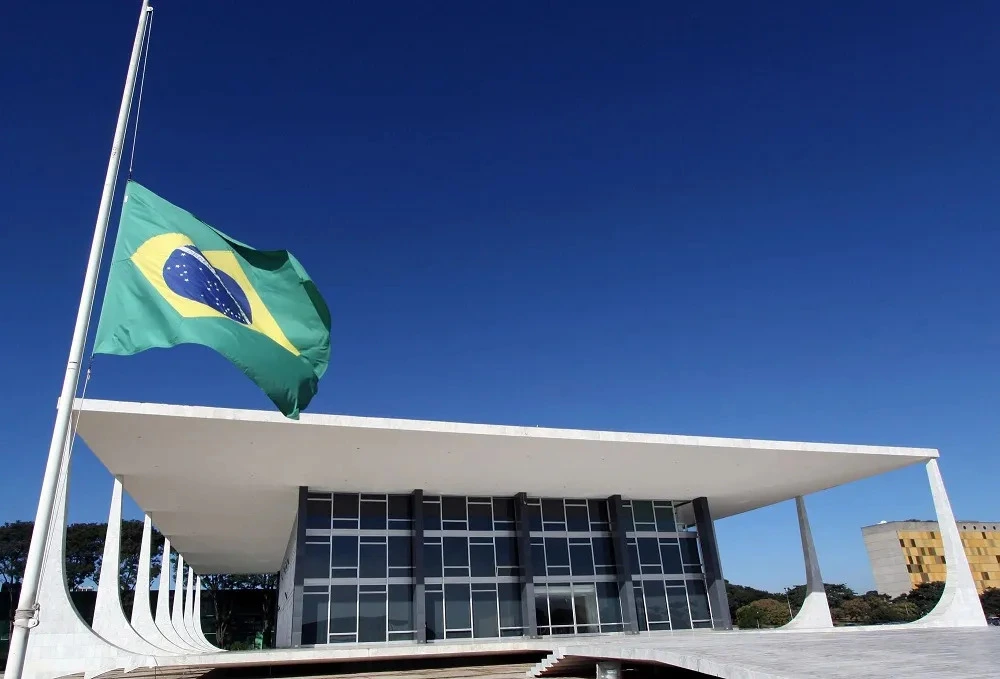
Brazil’s Supreme Federal Court (STF) unanimously upheld a ruling on February 14, 2025, decriminalizing marijuana possession up to 40 grams for personal use, Agência Brasil reports.
Justices rejected appeals from São Paulo’s Public Defender and Prosecutor, ending a decade-long debate sparked by a 2011 case involving 3 grams. Justice Gilmar Mendes led the decision, setting a clear line between users and traffickers.
The court tackled Article 28 of the 2006 Drug Law after years of delays, including a pause following Justice Teori Zavascki’s 2017 death. Now, users face only warnings and educational courses, not prison or community service, for holding 40 grams or six female plants.
However, police can still charge trafficking if scales or records suggest sales, keeping penalties at 5-15 years. Behind the ruling, stark figures reveal its stakes: Brazil’s prisons hold over 832,000 inmates, with 200,000 tied to drug offenses, per 2023 DEPEN data.
Roughly 25% languish for small possession, often Black and poor, exposing systemic inequities. The 40-gram threshold—yielding 40-133 joints—could free thousands, easing a strained system businesses watch closely for labor and cost impacts.
Transitioning to context, Brazil joins nations like Portugal, which inspired the ruling with its 25-gram limit since 2001. Yet, marijuana stays illegal—public use remains banned, and derivatives like oils fall outside the decision.
Brazil’s Evolving Drug Policy
Critics, including Senate President Rodrigo Pacheco, argue Congress, not courts, should decide, but Justice Luís Roberto Barroso insists judicial gaps demanded action.
Meanwhile, implementation looms tricky. Courts already apply the rule—last August, the STJ freed someone with 23 grams—but uneven policing and weak educational setups challenge enforcement.
A 2023 Datafolha poll shows 52% of Brazilians oppose legalization, hinting at public friction as the STF’s minutes publish soon. The story matters beyond law: businesses eye a shifting landscape as Brazil, Latin America’s giant, rethinks drugs amid global trends.
Trafficking fights persist, but decriminalizing users signals pragmatism—less clogged courts, fewer ruined lives. Still, gaps in policy and practice leave the real impact uncertain, watched by all.
This article was produced by The Rio Times’ automated newsroom system. How we use AI · Report an error · Editorial responsibility: Matthias Camenzind, Editor-in-Chief
Read More from The Rio Times