IBOV 185,629.04 ▼ 0.93% IPSA 11,370.36 ▼ 0.39% IPC MEX 65,025.71 ▼ 0.06% MERVAL 3,110,163 ▲ 1.11% COLCAP 2,584.02 ▲ 0.57% BVL PERÚ 60,246.14 ▲ 0.76% USD/BRL5.11▲ 0.02% USD/MXN16.90— 0.00% USD/CLP927.21▲ 0.21% USD/COP3,100▼ 0.54% USD/PEN3.35▼ 0.18% USD/ARS1,514▲ 0.12% USD/UYU40.22▲ 3.03% USD/PYG5,869▲ 1.64% USD/BOB12.58▲ 3.76% USD/DOP58.63▲ 2.14% USD/CRC448.95▲ 2.03% USD/GTQ7.63▲ 3.05% USD/HNL26.84▲ 3.17% USD/NIO36.62▲ 0.34% USD/VES825.67▲ 0.80% USD/PAB1.00— 0.00% USD/BZD2.00— 0.00% USD/JMD 157.28 — 0.00% USD/TTD6.70▲ 1.87% EUR/BRL5.95▲ 0.68% BRENT 88.88 ▼ 0.03% WTI 83.11 ▼ 0.11% IRON ORE 161.91 — — COPPER 6.61 ▲ 0.03% GOLD 4,461 ▲ 1.78% SILVER 65.59 ▲ 1.26% SOY 1,184 ▲ 3.20% CORN 480.50 ▲ 10.02% WHEAT 655.00 ▲ 3.93% COFFEE 317.25 ▼ 5.51% SUGAR 16.43 ▼ 1.79% ORANGE JUICE 138.55 ▼ 0.47% COTTON 85.03 ▲ 2.33% COCOA 5,719 ▲ 3.18% BEEF 223.60 ▼ 3.93% CATTLE 339.10 ▼ 3.16% LITHIUM 75.20 ▲ 1.47% PETR4 41.64 ▼ 0.05% VALE3 72.97 ▲ 0.83% ITUB4 38.60 ▼ 1.03% BBDC4 16.85 ▲ 0.36% ABEV3 14.89 ▼ 0.80% BBAS3 19.37 ▲ 0.47% B3SA3 14.26 ▼ 0.21% WEGE3 47.59 ▲ 0.49% PRIO3 59.14 ▼ 0.19% SUZB3 41.33 ▲ 2.35% RENT3 34.68 ▼ 0.09% AZZA3 15.89 ▼ 2.63% CSAN3 3.22 ▼ 1.83% RAIZ4 0.25 — 0.00% PCAR3 2.75 ▼ 0.36% GMAT3 3.65 ▼ 1.08% PSSA3 48.13 ▼ 0.54% CVCB3 1.33 ▼ 2.92% POSI3 3.36 ▲ 2.44% SLCE3 13.34 ▲ 0.30% NATU3 8.14 ▼ 0.73% IBOV 185,629.04 ▼ 0.93% IPSA 11,370.36 ▼ 0.39% IPC MEX 65,025.71 ▼ 0.06% MERVAL 3,110,163 ▲ 1.11% COLCAP 2,584.02 ▲ 0.57% BVL PERÚ 60,246.14 ▲ 0.76% USD/BRL 5.16 ▲ 0.01% USD/MXN 17.06 ▼ 0.24% USD/CLP 913.98 ▲ 0.04% USD/COP 3,140 ▲ 0.03% USD/PEN 3.36 ▼ 0.66% USD/ARS 1,493 ▲ 0.10% USD/UYU 40.27 ▲ 1.24% USD/PYG 5,939 ▲ 1.68% USD/BOB 11.64 ▼ 0.76% USD/DOP 58.34 ▲ 1.25% USD/CRC 445.92 ▲ 0.89% USD/GTQ 7.62 ▲ 2.21% USD/HNL 26.79 ▲ 1.57% USD/NIO 36.62 ▲ 0.69% USD/VES 762.44 ▼ 0.13% USD/PAB 1.00 — 0.00% USD/BZD 2.00 — 0.00% USD/JMD 157.28 — 0.00% USD/TTD 6.70 ▲ 0.61% EUR/BRL 5.95 ▲ 1.01% BRENT 88.88 ▼ 0.03% WTI 83.11 ▼ 0.11% IRON ORE 161.91 — — COPPER 6.61 ▲ 0.03% GOLD 4,461 ▲ 1.78% SILVER 65.59 ▲ 1.26% SOY 1,184 ▲ 3.20% CORN 480.50 ▲ 10.02% WHEAT 655.00 ▲ 3.93% COFFEE 317.25 ▼ 5.51% SUGAR 16.43 ▼ 1.79% ORANGE JUICE 138.55 ▼ 0.47% COTTON 85.03 ▲ 2.33% COCOA 5,719 ▲ 3.18% BEEF 223.60 ▼ 3.93% CATTLE 339.10 ▼ 3.16% LITHIUM 75.20 ▲ 1.47% PETR4 41.64 ▼ 0.05% VALE3 72.97 ▲ 0.83% ITUB4 38.60 ▼ 1.03% BBDC4 16.85 ▲ 0.36% ABEV3 14.89 ▼ 0.80% BBAS3 19.37 ▲ 0.47% B3SA3 14.26 ▼ 0.21% WEGE3 47.59 ▲ 0.49% PRIO3 59.14 ▼ 0.19% SUZB3 41.33 ▲ 2.35% RENT3 34.68 ▼ 0.09% AZZA3 15.89 ▼ 2.63% CSAN3 3.22 ▼ 1.83% RAIZ4 0.25 — 0.00% PCAR3 2.75 ▼ 0.36% GMAT3 3.65 ▼ 1.08% PSSA3 48.13 ▼ 0.54% CVCB3 1.33 ▼ 2.92% POSI3 3.36 ▲ 2.44% SLCE3 13.34 ▲ 0.30% NATU3 8.14 ▼ 0.73%
since 2009
Thursday, September 10, 2026

Brazil Business - Brazil

Brazil’s Capital Goods Imports Reach Decade-High, Signaling Economic Growth

By · January 7, 2025 · 2 min read

The LatAm Brief

One email, every weekday morning. What moved in Latin American markets, politics and expat life.

Yesterday’s subject line: “Eleven of fifteen Brazilian police directors offered to quit”

Free. We send a confirmation link first — nothing arrives until you click it. Unsubscribe with one click in any edition. If you stop opening us for 30 days we stop sending by ourselves, as we assume the interest is no longer there. See our privacy policy. We never share your email.

Brazil’s Ministry of Development, Industry, Trade, and Services MDIC reported a significant surge in capital goods imports for 2024. The country witnessed its highest value of capital goods imports in ten years. This increase signals a robust trend in productive investments across various sectors of the Brazilian economy.

The total import value grew by 9% compared to the previous year, according to MDIC data. Capital goods imports led this growth with a remarkable 25.6% increase in volume. This surge reflects a strong appetite for investment in productive capacity throughout Brazil’s economic landscape.

Brazil’s overall trade performance in 2024 remained strong, despite a slight dip from the record-breaking 2023. The trade surplus reached $74.6 billion, marking the second-best result in the historical series that began in 1989. Exports totaled $337 billion, while imports amounted to $262.5 billion.

The rise in capital goods imports spans all ten categories tracked by the government. “Other transportation equipment” saw the most significant growth at 79%, reaching $2.4 billion. “Machinery and equipment” remained the largest category, growing 16.9% to $10.6 billion.
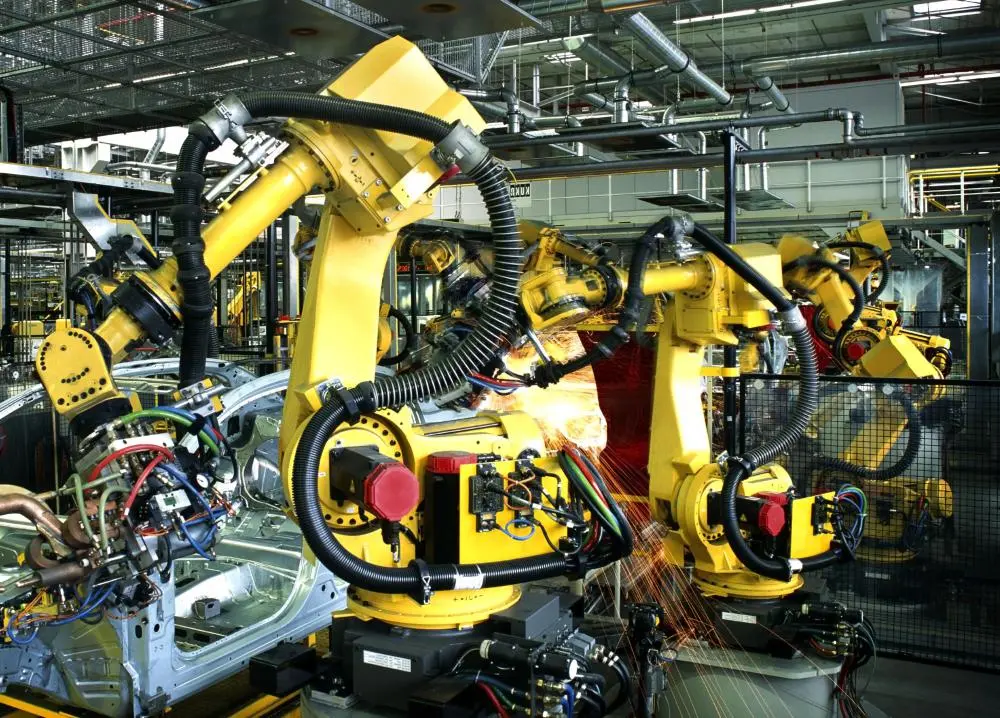
Brazil's Capital Goods Imports Reach Decade-High, Signaling Economic Growth.
Brazil’s Capital Goods Imports Reach Decade-High, Signaling Economic Growth.
One-stop reference
Company Intelligence
Every listed company in Latin America — financials, ownership and structure for 1,450+ companies across 26 exchanges, in one place.
Browse the directory →
RT
Ask Rio Times
Latin American markets, currencies and companies.
Open the full Ask Rio Times →

Importantly, this expansion stems from increased volumes rather than price hikes. Import volumes rose by 22.1%, while prices fell by 3.3%. This trend suggests genuine demand for production-enhancing assets across Brazilian industries.

Economists view this development as a positive sign for Brazil’s economic future. The growth in capital goods imports indicates that Brazilian businesses are preparing for expansion. They are investing in tools and technology to enhance their productive capabilities.

Brazil’s Capital Goods Imports Reach Decade-High, Signaling Economic Growth

This trend carries significant implications for job creation, especially in sectors requiring skilled labor. It also suggests a move towards modernization and increased competitiveness in global markets. However, recent interest rate increases may slow this investment trend.

The surge in capital goods imports reflects growing business confidence in Brazil. It signals potential for sustained economic growth in the coming years. The country’s economic trajectory will depend on how this trend interacts with other factors such as interest rates and global market conditions.

Brazil’s trade performance occurred against a backdrop of global economic challenges. These include fluctuations in commodity prices and geopolitical tensions. The recovery of domestic demand in Brazil also contributed to increased imports across various sectors.

The Ministry projects a trade surplus between $60 billion and $80 billion for 2025. They estimate exports between $320 billion and $360 billion, and imports between $260 billion and $280 billion. These projections suggest continued optimism for Brazil’s trade performance.


This article was produced by The Rio Times’ automated newsroom system. How we use AI · Report an error

LatAm Markets: Live Signals → — real-time movers, turnover leaders and FX across Latin America.

Read More from The Rio Times

The Rio Times · Power Map
See who really holds power in Latin America
Click to open the Power Map

Rotate for Best Experience

This report is optimized for landscape viewing. Rotate your phone for the full experience.