Brazil’s pepper industry soared to a new high in 2022, hitting a record R$1.5 billion ($300 million) in production value.
The Brazilian stats agency IBGE confirms this figure. They recorded a historic harvest of 128,000 tons.
Over the last half-century, the nation’s pepper output has increased dramatically.
In 1974, farmers planted pepper on 8,000 hectares. Now, that number has grown to 41,000 hectares.
The state of Espírito Santo takes the lead in pepper production. It produces 76,500 tons. This accounts for 60% of Brazil’s total yield.
Pará ranks second, contributing 42,000 tons to the national output. Combined, these two states produce 92% of Brazil’s pepper.
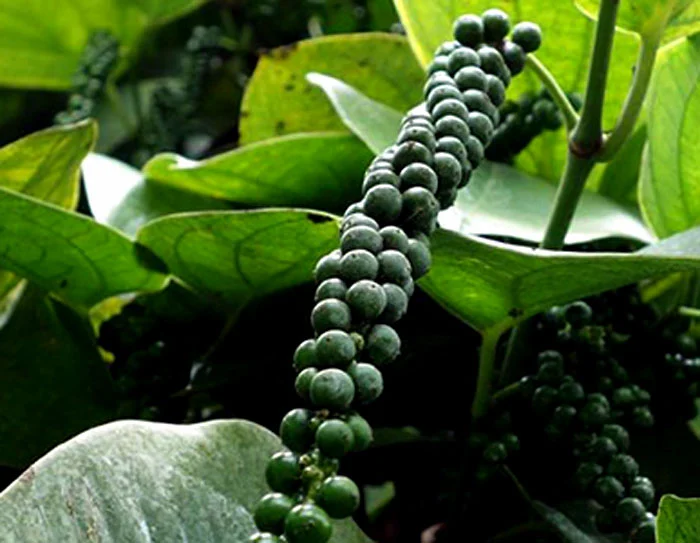
Other contributors include Bahia, Minas Gerais, and Alagoas. They produce smaller amounts but still contribute to the total.
Thirteen states across Brazil participate in pepper farming. Black pepper cultivation began in Brazil in the 1930s.
Researchers from the Brazilian Agricultural Research Corporation report that the crop originally came from India.
Globally, Brazil stands as a top pepper producer. Our World In Data places Brazil second worldwide.
The country’s farms yield 15% of the global supply. Vietnam remains the top producer, with 36% of the global share.
Background
Black pepper has been a prized spice for centuries, traded as a luxury item. Its journey to Brazil began when settlers introduced it in the 1930s.
This spice, native to India, thrived in Brazil’s tropical climate. Since then, the country has become a key player in the global pepper market.
Historically, black pepper drove exploration and trade, leading to significant cultural exchanges.
In Brazil, its cultivation became a part of the agricultural expansion. This spice’s growth reflects Brazil’s broader agricultural development.
Today, Brazil’s success in pepper production showcases its agricultural capabilities. It also underscores the nation’s role in feeding a global appetite for this essential spice.
The country’s pepper trade not only contributes to the economy but also continues a rich history of spice trade.
More: Brazil news in English, every day from The Rio Times.
This article was produced by The Rio Times’ automated newsroom system. How we use AI · Report an error
Read More from The Rio Times