Brazil’s Biggest Coffee Cooperative Faces Slow Harvest and Labor Concerns
Brazil’s largest coffee cooperative, Cooxupé, says its 2025 harvest is moving slower than usual. By June 20, only 24.3% of the coffee had been picked in its main regions, including southern Minas Gerais, Cerrado Mineiro, São Paulo, and Matas de Minas.
Last year at this time, the harvest had reached 34.2%. The main reason for this delay is bad weather, especially less rain and higher temperatures, which hurt the coffee plants during important growing periods.
Brazil produces more coffee than any other country, and Cooxupé alone handles about 10% of all Brazilian coffee exports. When its harvest slows, it affects coffee prices and supply around the world.
The government’s official numbers show that Brazil will produce about 51.8 million bags of coffee in 2025, which is 4.4% less than last year. Arabica coffee, the type Cooxupé mainly grows, will see a drop of over 12% in production.
On the other hand, robusta coffee, which grows better in dry conditions, is expected to increase. Cooxupé processed a record 5.9 million bags in 2024 and exported most of it to 50 countries.
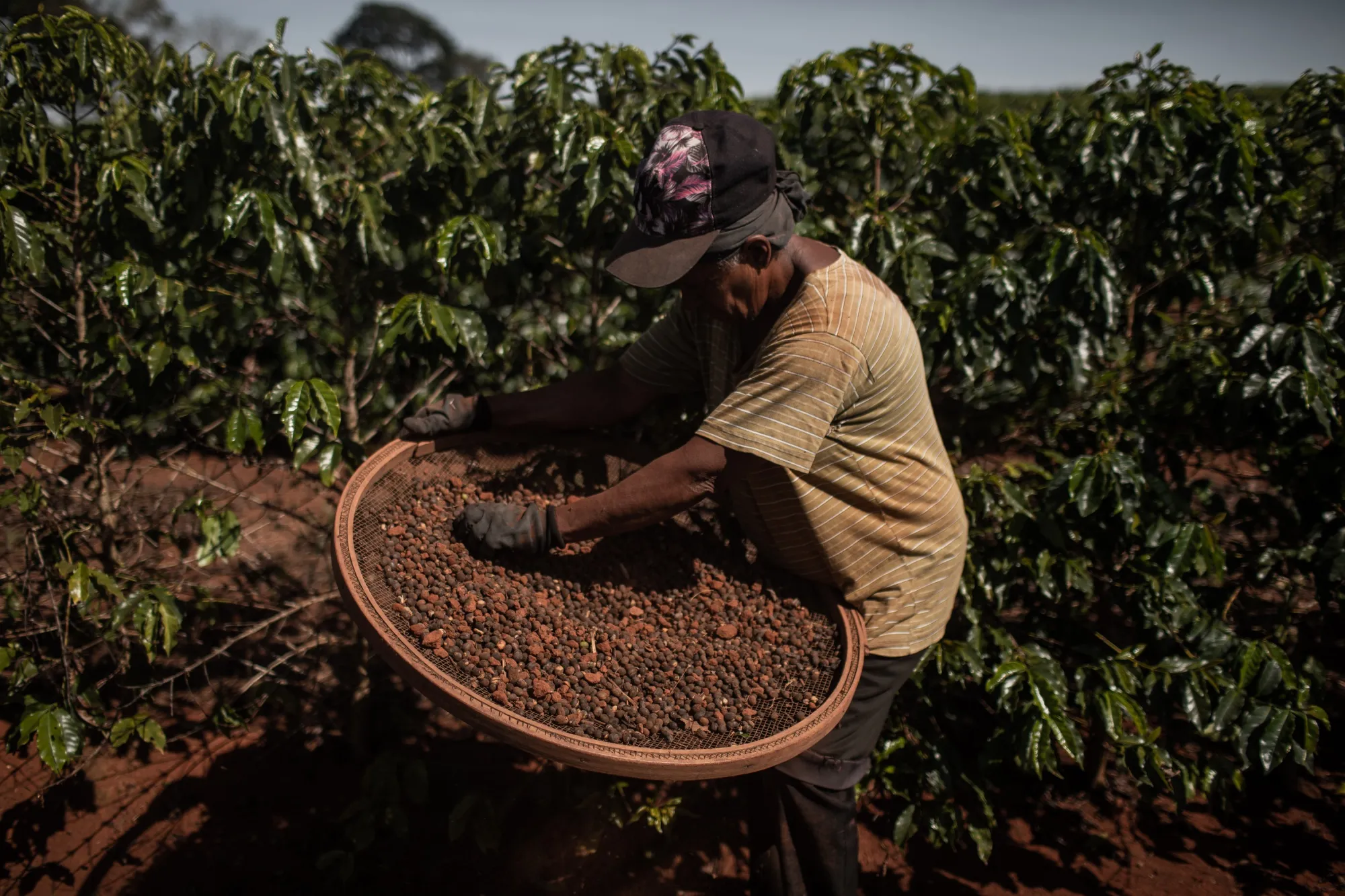
Cooxupé Faces Challenges Amid Record Revenue
The cooperative earned its highest-ever revenue last year, reaching 10.7 billion BRL (about 1.8 billion USD). Even with strong sales, this year’s slow harvest worries both farmers and buyers, since Brazil’s output shapes global coffee markets.
Labor conditions have also become a problem. In 2024, labor inspectors found 214 workers on coffee farms in very poor conditions, including some farms linked to Cooxupé.
These workers did not have proper contracts or safe housing. After this, Cooxupé stopped buying coffee from the farms involved and separated their coffee from the rest.
The cooperative says it wants to improve working conditions and has started a program called “Gerações” to help its 12,000 mostly small-farmer members follow better labor and environmental standards.
Cooxupé is also trying to get a $30 million loan to support more sustainable coffee production. But the recent labor issues have made some people question how well these rules are followed.
This story shows how weather and working conditions can quickly change the coffee business. When a major player like Cooxupé faces problems, it affects everyone.
This impact reaches from Brazilian farmers to coffee drinkers worldwide. Reliable production, fair labor, and good weather are all needed to keep coffee on tables everywhere.
More: Brazil news in English, every day from The Rio Times.
This article was produced by The Rio Times’ automated newsroom system. How we use AI · Report an error · Editorial responsibility: Matthias Camenzind, Editor-in-Chief