Brazil’s government has allocated $177.5 million over the next three years to combat crime networks.
Justice Minister Flávio Dino made the announcement in Brasilia, the nation’s capital. He stressed teamwork between local and federal police
The plan, called NAPCO, has five main goals. First, it aims to boost teamwork between federal and state safety agencies.
Second, it wants to make police work more efficient. Third, it focuses on monitoring ports, airports, and borders.
Fourth, it seeks to improve the justice system. Lastly, it pushes for more state and federal cooperation.
Dino said that some existing efforts are now part of NAPCO. These include training for public servants and coordinated police operations.
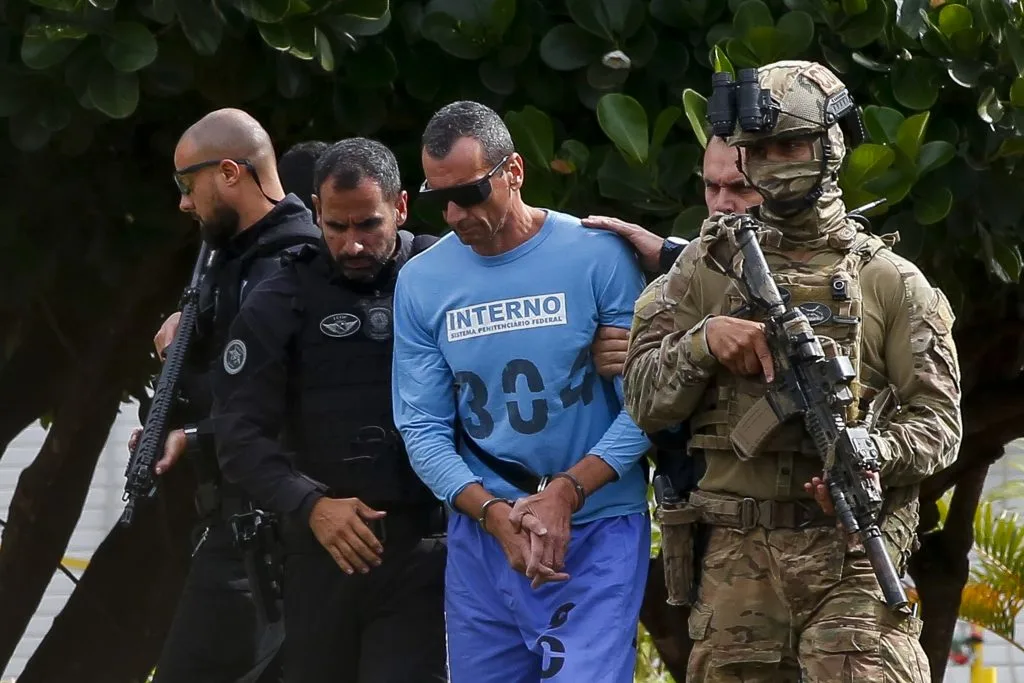
Currently, about 60 criminal groups operate in Brazil. Dino emphasized that cutting their funds is vital.
“This weakens their financial and military power,” he said. Next week, the government will launch an asset recovery program.
So far this year, Federal Police have seized $434 million in criminal assets. This amount is seven times greater than the $65 million seized last year.
Finally, Dino announced special measures to counter crime in the Amazon and additional support for police in Bahia and Rio de Janeiro.
Background
This new plan shows Brazil’s serious intent to combat rising crime rates. It comes at a crucial time, as crime networks expand their reach in the country.
The sizable budget allocation indicates a long-term commitment. The emphasis on teamwork could potentially fill existing gaps in law enforcement.
Moreover, focusing on asset seizure strikes at the heart of criminal enterprises.
The introduction of a specialized Amazon program is noteworthy, as the region has seen a spike in organized crime.
The increased support for police in Bahia and Rio de Janeiro is also a significant move, as these areas are crime hotspots.
Overall, the initiative seems well-rounded, touching on multiple aspects to ensure a thorough approach to fighting crime in Brazil.
More: Brazil news in English, every day from The Rio Times.
This article was drafted with automated assistance and reviewed before publication. How we use AI · Report an error
Read More from The Rio Times