In 2020, labor income in Brazil registered biggest drop in 8 years
RIO DE JANEIRO, BRAZIL – The share of labor income in Brazil’s total income in 2020 recorded the most significant drop in eight years and registered the lowest level of the historical series, as almost a quarter of the country’s households received a social benefit in the first year of the Covid-19 pandemic.
Data released on Friday by the Brazilian Institute of Geography and Statistics (IBGE) also show that for the first time in one region of Brazil, the Northeast, labor income lost out to other income, including social aid.
Read also: Check out our coverage on Brazil
The number of people who received other income jumped from 16.4 million in 2019, or 7.8% of the population, to 30.2 million, which represents 14.3% of the population.
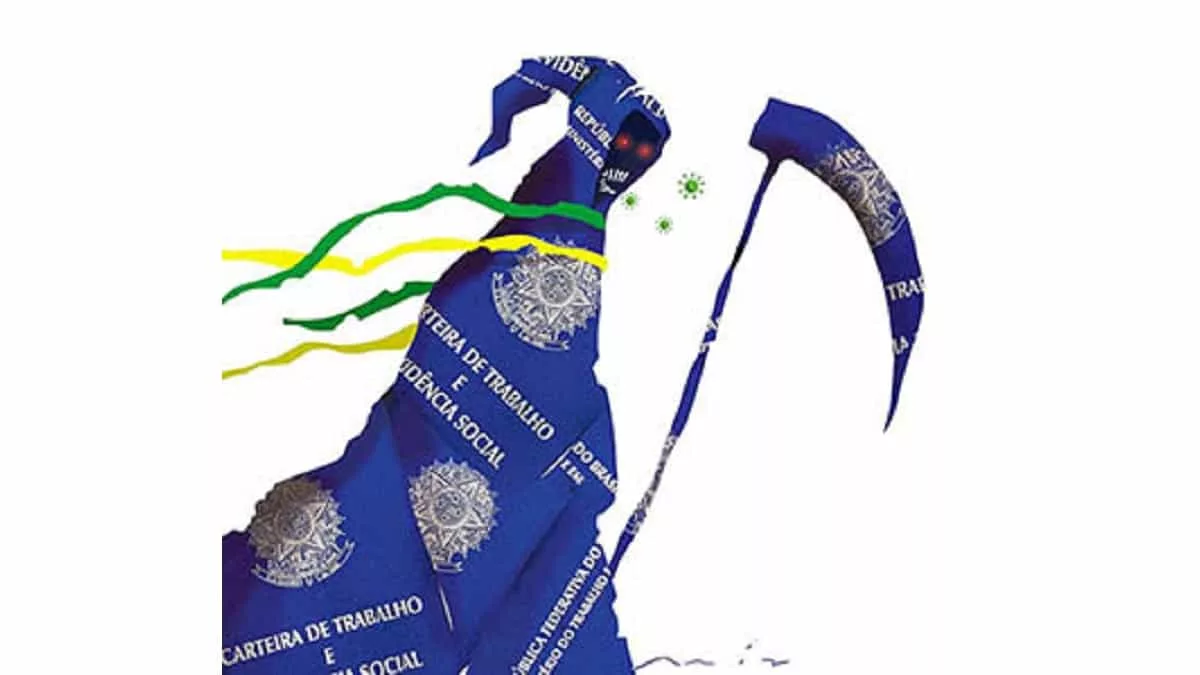
On the other hand, the total number of people with labor income fell by 8.1 million, from 92.8 million to 84.7 million, or from 44.3% to 40.1% of the population, in the most significant percentage drop since the beginning in 2012 of the historical series of the National Household Sample Survey (Pnad), still reaching the lowest level.
“Last year, the labor market was a problem because of the pandemic, and the emergency aid was a cushion that held the income from other sources,” said IBGE analyst Alessandra Saraiva.
According to IBGE, between 2019 and 2020, emergency aid and unemployment changed household income profiles. Last year, the proportion of households with people receiving other social programs jumped from 0.7% to 23.7%.
There was an increase in all regions. The highlights were the Northern and Northeastern states, where the population was deeply impacted by unemployment.
In the North, the share of people receiving social aid rose from 0.5% in 2019 to 32.2% in 2020, while in the Northeast, the proportion jumped from 0.8% to 34.0%.
“The labor market suffered from quarantine and restrictions. People have lost jobs, especially with work cards. With fewer people having income from work, which is historically the most important and what holds income, the emergency aid prevented bigger and more serious damage,” Saraiva explained.
More: Brazil news in English, every day from The Rio Times.
This article was produced by The Rio Times’ automated newsroom system. How we use AI · Report an error · Editorial responsibility: Matthias Camenzind, Editor-in-Chief