US$984 Million IDB Deal Targets Brazil’s Organized Crime
Security: Brasília
Key Facts
—The deal. On 5 August 2026, Brazil’s Ministry of Justice and the Inter-American Development Bank (IDB) signed a package worth up to R$5 billion (about US$984 million) to fight organized crime.
—What it funds. Support targets homicide investigations, prison security, arms and explosives trafficking, and the finances of criminal factions.
—Regional fund. The IDB expanded its security financing for Latin America and the Caribbean to US$4 billion for 2026-2028, up from US$2.5 billion.
—Programme. The agreement backs Brazil’s R$11 billion (about US$2.17 billion) “Program Against Organized Crime,” launched in May 2026.
—Officials. The signing took place at a security summit at the Ministry of Justice in Brasília, with IDB President Ilan Goldfajn attending.
Brazil and the Inter-American Development Bank signed an IDB anti-crime deal worth up to R$5 billion (about US$984 million) on 5 August, financing a federal push against organized crime.
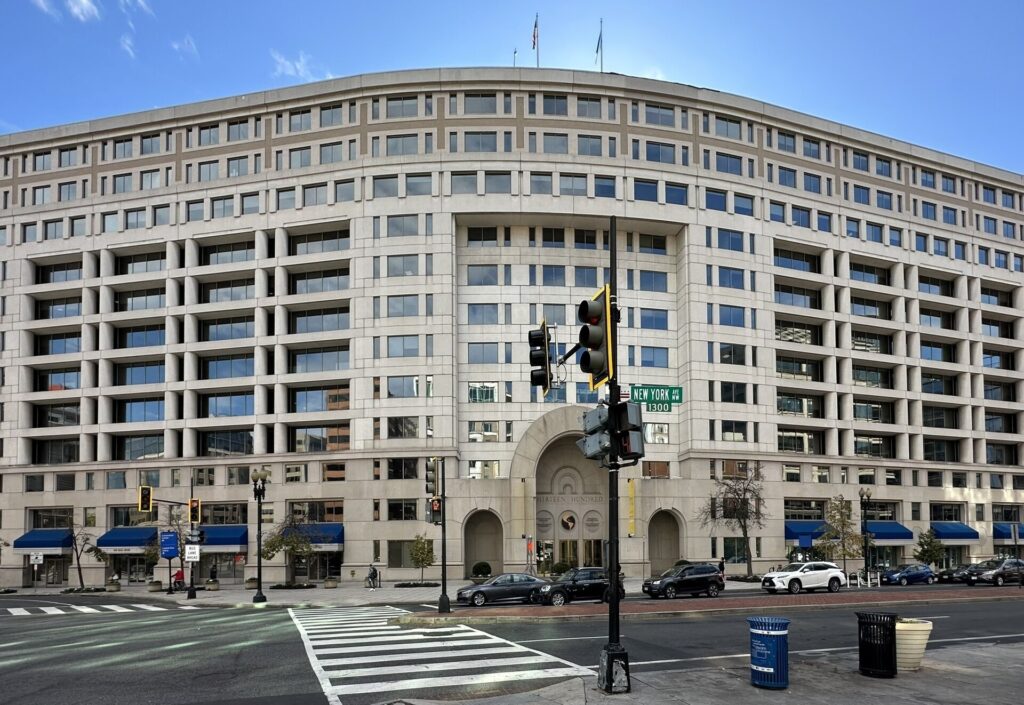
Brazil and the IDB Sign a Security Financing Package
Brazil’s Ministry of Justice and Public Security and the Inter-American Development Bank signed an agreement on 5 August providing up to R$5 billion (about US$984 million) in technical and financial support for the country’s fight against organized crime. The signing took place at a security summit in Brasília.
According to Agência Brasil and the Planalto presidential office, the money is tied to Brazil’s national strategy against criminal factions and is intended for institution-building and operations rather than one-off spending.
The package is part of a broader regional effort. The IDB said it was expanding its security financing for Latin America and the Caribbean to US$4 billion for the 2026-2028 period, up from US$2.5 billion, in what its president called a scaling-up of anti-crime work.
What the Money Will Fund
The financing is directed at four priorities, officials said: strengthening homicide investigations, improving prison security, disrupting the financial structures of criminal organizations, and tackling the trafficking of weapons, ammunition and explosives.
Those areas mirror the pillars of Brazil’s “Program Against Organized Crime,” a federal plan aimed at dismantling the economic and territorial networks of criminal groups. The IDB support is intended to add technical capacity and financing to that framework.
By focusing on investigations and asset recovery, the plan seeks to target the money that sustains factions, an approach Brazilian authorities have increasingly emphasised alongside conventional policing.
How It Fits Brazil’s Wider Anti-Crime Plan
The IDB agreement complements a larger domestic programme unveiled in May 2026, which Brasília valued at R$11 billion (about US$2.17 billion). That plan combined R$1.06 billion (about US$209 million) in direct budget resources for 2026 with a R$10 billion (about US$1.97 billion) credit line for states and municipalities.
The federal government has presented the strategy as a coordinated national response to the expansion of criminal factions, some of which operate across state lines and borders. The IDB financing adds an international-development dimension to that push.
Officials say the layered structure — budget funds, domestic credit and multilateral support — is designed to give states sustained resources rather than a single injection.
The Regional Context
The IDB’s decision to widen its security fund reflects rising demand across Latin America and the Caribbean, where organized crime and homicide rates are central policy concerns. The bank framed the larger fund as a response to results achieved so far.
IDB President Ilan Goldfajn said nearly 60% of the targets set for the initiative’s first three years had already been met within a single year, according to Brazilian coverage of the summit. He presented the expansion as a scaling-up of a programme showing early traction.
For a regional lender more often associated with infrastructure and social spending, the emphasis on citizen security marks a notable area of growth.
What Happens Next
With the agreement signed, attention turns to implementation: how quickly funds are disbursed, which agencies and states receive support, and how results are measured. Multilateral financing of this kind typically unfolds over several years.
For investors and the public, the initiative signals a sustained federal commitment to public security, an issue that also features prominently in Brazil’s 2026 election campaign. The government has cast the fight against organized crime as a long-term priority.
The coming months will show whether the combined domestic and IDB resources translate into measurable gains against the criminal networks the programme targets.
Background: Brazil Tax Reform Timeline: Tech Sector Faces 2026 Invoice Shock.
Background: Lula vs. Bolsonaro Set as Brazil 2026 Conventions Close.
Background: Fintechs and Digital Banks in Brazil 2026: Market Guide.
Background: our buying property in brazil as a foreigner complete guide.
Background: Brazil’s Financial Morning Call for Wednesday, July 29, 2026.
More: Brazil news, every day from The Rio Times.
Frequently Asked Questions
How much is the Brazil-IDB anti-crime deal worth?
The agreement provides up to R$5 billion (about US$984 million) in technical and financial support for Brazil’s fight against organized crime, signed on 5 August 2026 in Brasília.
What will the IDB anti-crime financing pay for?
The funds target homicide investigations, prison security, the financial structures of criminal organizations, and trafficking in weapons, ammunition and explosives.
How does the deal relate to Brazil’s wider anti-crime programme?
It supports Brazil’s R$11 billion (about US$2.17 billion) “Program Against Organized Crime,” launched in May 2026, which pairs direct budget funds with a credit line for states and municipalities.
Sources
Agência Brasil · Planalto (gov.br) · Jornal de Brasília · Manila Times/IDB · ConJur
Connected Coverage
More coverage of Brazilian security, policy and business from The Rio Times.
Sources: Agência Brasil, Planalto (gov.br), Jornal de Brasília, Manila Times/GlobeNewswire, ConJur.
This article was drafted with automated assistance and reviewed before publication. How we use AI · Report an error
Read More from The Rio Times