Brazil Betting Ban Puts Affiliate Revenue at Risk
(Sponsored) Imagine running a football website with a small team. The writers get paid, the match coverage goes out, and betting partnerships help cover the bills.
Then a regulatory decision threatens that income. Your readers haven’t gone anywhere.
You still have a website to run.
Key Facts
What is changing. Brazil’s September 25, 2026 measure shuts down fixed-odds betting and bars businesses from offering, arranging or advertising it, including foreign operators serving the Brazilian market.
Deadlines. Existing authorizations expire 30 days after publication; affected ads and sponsorship material must come down within ten days.
Status. As of October 2, the Brazil betting ban remains provisional, leaving publishers unsure whether campaigns planned for the country can proceed at all.
Peru check. Peru’s Ministry of Foreign Trade and Tourism (MINCETUR) keeps public registers of authorized operators and technology platforms for remote gaming and sports betting.
The economics. In a typical campaign, 1,000 visitors produce 50 registrations but only around ten paid referrals; at an illustrative US$150 each, that is US$1,500 before expenses.
What to watch. Payout timing, minimum thresholds, negative-balance carryover and written terms for market-exit payments before signing with any operator.
That is the problem to keep in mind when comparing gambling affiliate programs across Latin America. It’s tempting to start with the commission rate, work out how many customers you could refer and count the money.
First, though, you need to know whether the operator can serve those customers and whether you can promote it to them.
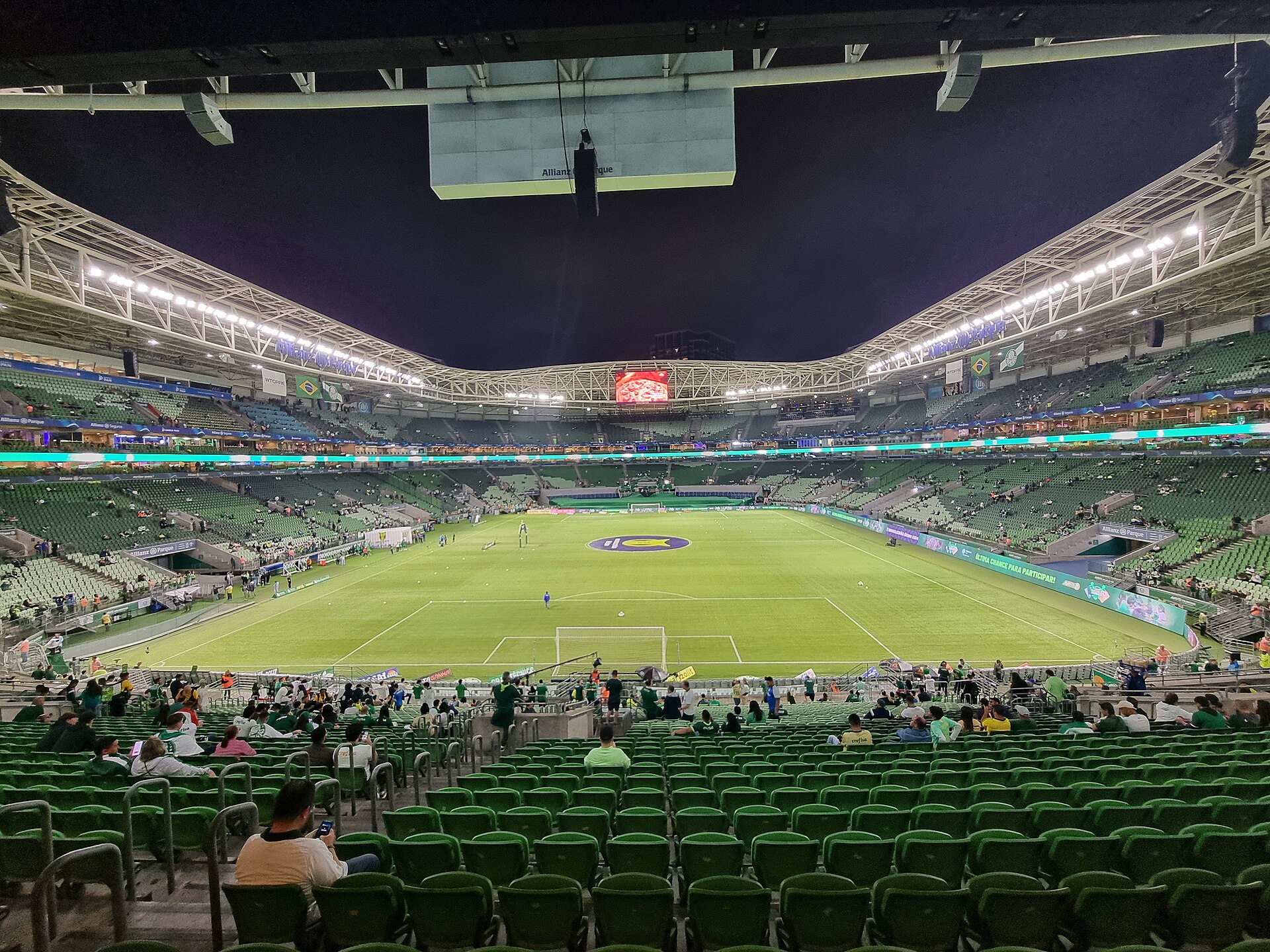
What the Brazil Betting Ban Changes for Running Campaigns
The Brazil betting ban covers sports bets and the online games specified in the law. An operator based abroad is covered too if it serves people in Brazil.
Say an account manager approved your campaign in July. That was useful in July.
Now the publisher has to go through its live placements and establish what must come down under the new rules. The old approval email cannot settle that.
A campaign can stop while its last referrals are still being processed. The publisher needs the partner to confirm which ones qualify for payment, the total earned and the payment date.
Stopping the campaign doesn’t make that money disappear from the publisher’s accounts.As of October 2, the measure remains provisional.Its future matters to anyone planning another campaign in Brazil.
For the next payroll, though, the publisher needs money it can actually collect under the current arrangements.
Finding Readers in Peru
For a Brazilian publisher looking at Peru, the work starts before choosing an affiliate deal. The Brazil betting ban makes the question immediate: does the site already have readers there?
Who will cover local teams? How much of its existing content would those readers want?
There is also a separate set of rules to check. Peru’s Ministry of Foreign Trade and Tourism, MINCETUR, oversees its framework for remote gaming and sports betting.
The ministry’s website lists authorization holders and technology platforms, along with related service providers.Look up both the operator and its platform in those registers.
Then read the contract: which company is agreeing to pay you? Its name may differ from the brand on the website.
The draft ads and the places where they’ll run also need to meet Peru’s advertising rules.A translator could prepare Spanish versions of the site’s existing match reports.The team would still be working with stories chosen for its Brazilian readers.
Choosing which matches deserve coverage is an editorial job.A reader following a Peruvian club may have little reason to return to a site built around Brazilian fixtures.So the budget needs to pay for that work while the audience is still small.
Hiring a writer is an expense from the first assignment. The referrals that might eventually cover it haven’t arrived yet.
Fifty Registrations Can Mean Ten Payments
Take a hypothetical campaign that sends 1,000 visitors to an operator. Fifty open an account.
Only ten complete everything required for a paid referral. At an illustrative fee of $150 each, the publisher earns $1,500 before expenses.
The other forty registrations still look good in the report. They just don’t pay the writer’s invoice.
Under a cost-per-acquisition deal, the contract defines those requirements. A customer might register and then abandon identity verification, or deposit less than the qualifying amount.
A duplicate account may be rejected. This is why the publisher needs a report that separates registrations from approved acquisitions and explains the rejected ones.
Otherwise, it is left guessing where the expected money went.Revenue sharing calls for a different check.Suppose $1,000 in revenue appears in the report, but $300 is deducted under the contract before your share is worked out.
A 40% deal then pays $280, because the percentage applies to $700.Someone who budgeted for $400 has counted $120 the agreement never promised.The contract may also carry a negative balance into the next month.
In that case, later earnings can go towards clearing the earlier balance before a payment becomes due. A sample statement showing the calculation is more useful than a percentage on an offer page.
Payment timing belongs in the same spreadsheet as income and costs. If commissions are released next month, they cannot cover this week’s bills without money from somewhere else.
Minimum payout thresholds and conversion into the currency used to pay expenses can change the amount available, too. If you’ve promised to pay a freelancer on Friday, a pending affiliate balance won’t help much.
Getting Paid When the Agreement Ends
If an operator leaves a market, you may have to stop promotions before the final commission is paid. Before signing, agree in writing on when that payment will arrive, how it will be calculated and who sends the stop notice.
Make sure you can still retrieve the reports after the agreement ends.Whatever the final shape of the Brazil betting ban, publishers should be able to show a partner which placements came down, which referrals qualified and what is still owed.Keep a copy of each month’s accepted referrals and the money earned on them.
If the final transfer is short, use those figures and the contract to show the partner where your calculation differs.Five betting partners can feel reassuring when payments arrive from all five.
Put all five in one country, though, and a betting ban can cut off new commissions from every one of them.Paying subscribers and advertisers from other industries give the site income beyond those deals.Work out how the site would cover its costs if those commissions stopped.
If the answer depends on finding a new partner immediately, that is work to do while the current one is still paying.
Read More from The Rio Times