Verifying AI-Generated Content in Latin America
(Sponsored) Businesses across Latin America are using generative AI to draft marketing copy, product descriptions and customer communications. But faster publishing also raises a practical question: who checks the output before customers see it?
RSM’s 2026 survey of 461 respondents, most from Latin America, found that roughly 40% of organisations were implementing AI. Only 18% reported formal AI governance frameworks, while 17% had policies for employee use.
Key Facts
Why it matters. Companies risk customer trust when AI-written claims reach the public without review.
Why now. An RSM survey found that AI adoption is moving faster than governance across the region.
Still open. Brazil’s proposed AI framework, PL 2338/2023, remains under debate in the Chamber of Deputies.
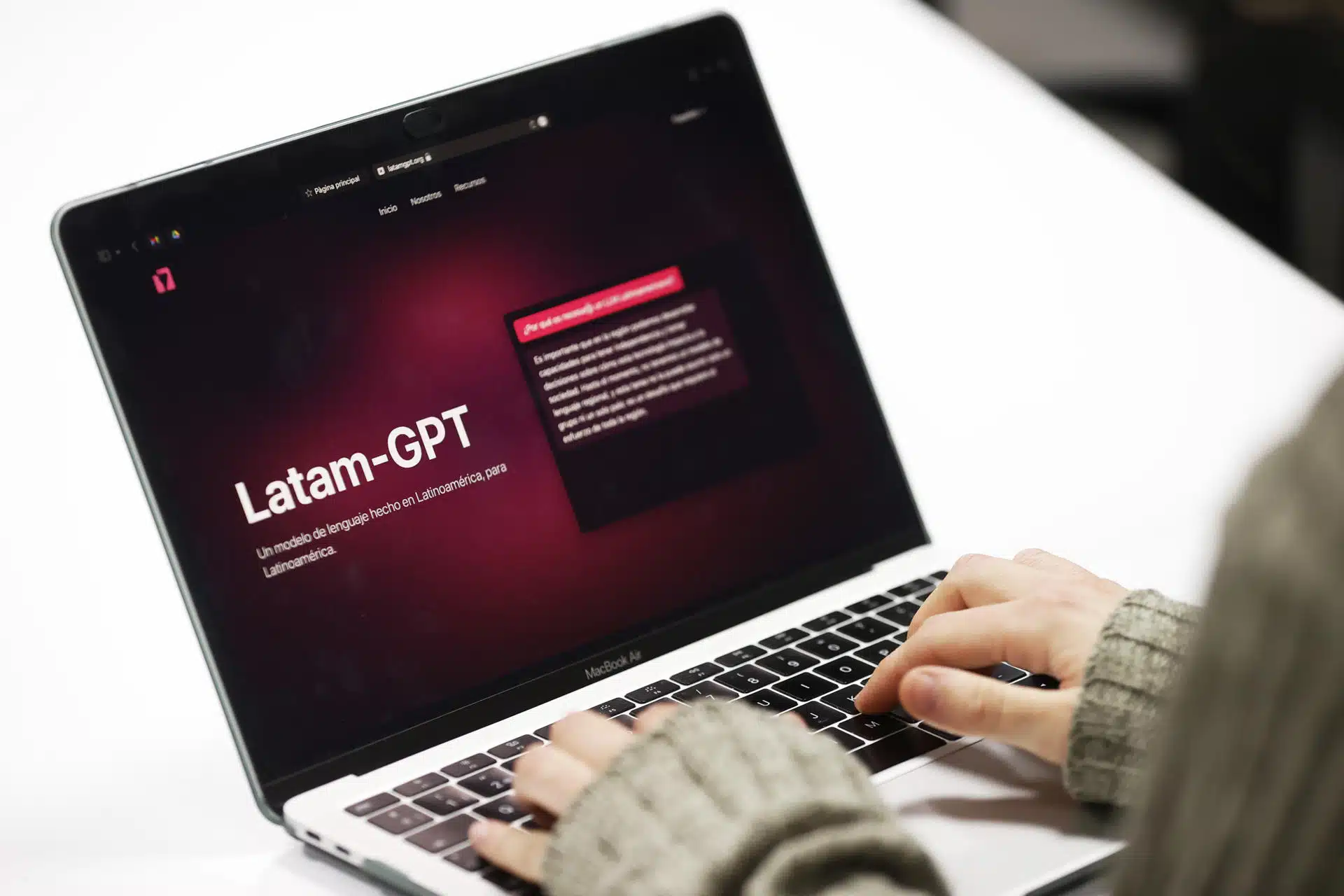
Why Unchecked AI Content Puts Brands at Risk
A made-up statistic in a sales pitch, a wrong price or a misleading product claim can damage a brand’s credibility. Translation errors can also change the meaning of an offer when Spanish-language campaigns are adapted for Brazilian customers.
Google’s people-first content guidance describes mass AI-generated text created without human oversight or curation as showing “little to no effort”. Using automated content primarily to manipulate search rankings can also breach its spam policies.
Four Checks Before Publishing AI-Assisted Content
- Verify facts and sources. Compare statistics, dates and quotations with original reports. Open cited pages to confirm they support each claim.
- Check commercial details. Confirm prices, product features, promotional deadlines and legal wording with the teams responsible for them.
- Review local language and context. Spanish varies across regional markets, while Brazilian Portuguese needs a separate review. Have a local-language editor assess tone and accuracy.
- Screen the text. An AI content detector can flag passages for closer scrutiny, particularly in outsourced content. It cannot verify whether the underlying claims are true.
Businesses looking for a free AI detector can use Clever AI Detector to check if text is AI-generated in English or Spanish. It requires no registration, advertisements or paywall and accepts 80 to 10,000 words per check, with unlimited checks.
The tool provides an overall probability score, confidence indicators and sentence-level signals; registered users can save their check history. It can serve as a ChatGPT detector, but it does not establish authorship and does not currently support Portuguese.
Why an AI Score Is Not a Verdict
A Stanford study found that seven detectors falsely labelled an average of 61.22% of 91 TOEFL essays written by non-native English speakers as AI-generated. Those were student essays, not Latin American marketing materials, but the results show why false positives matter.
An AI score should prompt a closer editorial review, never an automatic accusation. A named employee should remain responsible for approving what the business publishes.
Read More from The Rio Times