Diplomatic Downgrade Hits 200-Year Brazil-Argentina Alliance
Diplomacy: Brasília
Key Facts
—Decision. On 4 August 2026 Brazil downgraded diplomatic relations with Argentina to the level of chargé d’affaires.
—Ambassador. Ambassador Julio Bitelli, recalled for consultations, will not return to Buenos Aires while the dispute continues.
—Trigger. President Javier Milei again called President Lula a “thief”—the third such attack since Sunday, an Itamaraty source said.
—Argentina’s reply. Buenos Aires said it “regrets” Brazil’s decision to isolate itself “for purely ideological reasons.”
—Context. Foreign Minister Mauro Vieira called the remarks “a provocation without precedent in more than 200 years” of ties.
Brazil’s diplomatic downgrade with Argentina, and the withdrawal of its ambassador from Buenos Aires, marks the sharpest rupture between South America’s two largest economies in living memory.
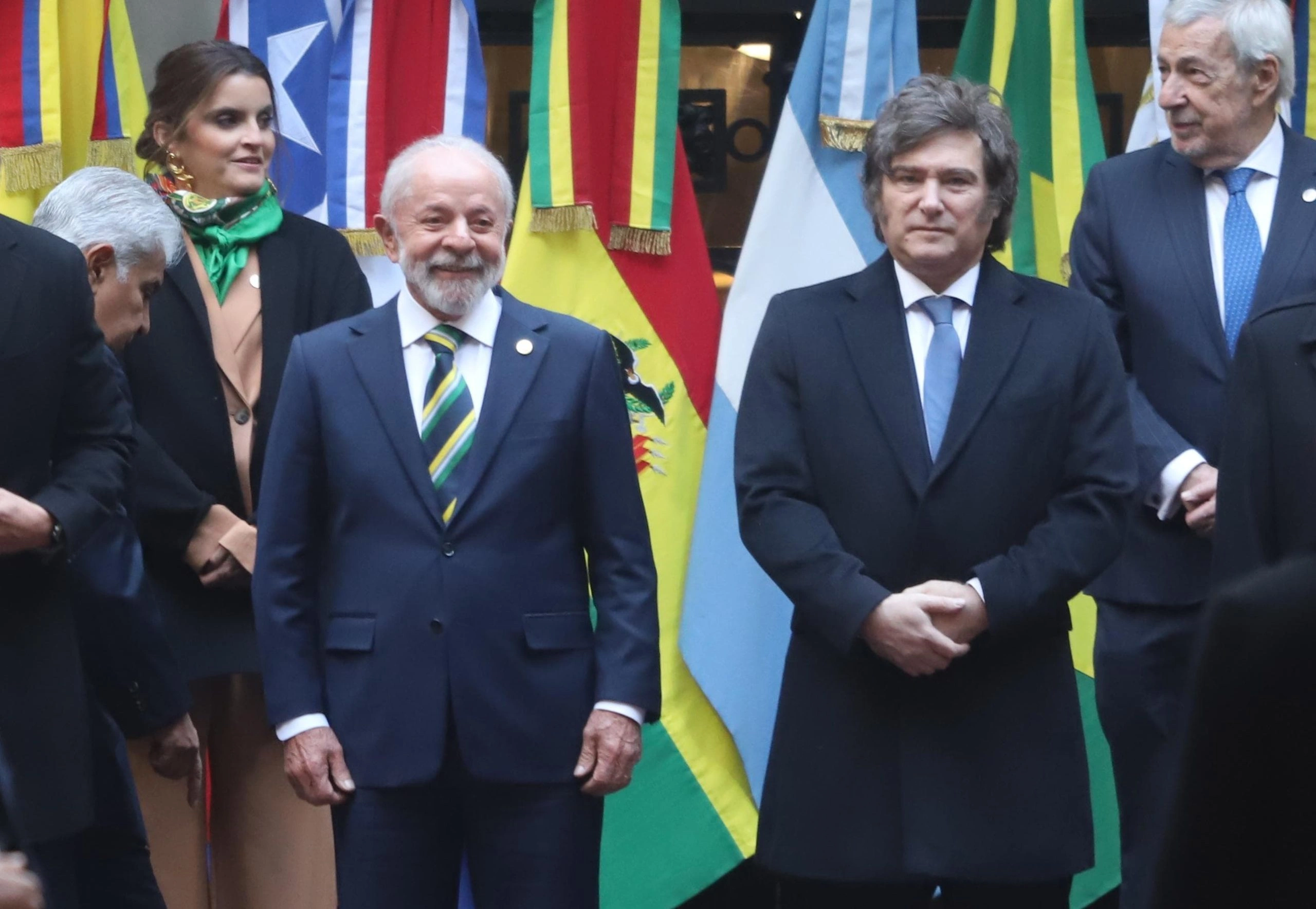
Brazil Cuts Its Diplomatic Presence
On 4 August 2026, Brazil’s foreign ministry, Itamaraty, informed Argentina that it was downgrading bilateral relations to the level of chargé d’affaires. In practice, that means no career ambassador will head Brazil’s embassy in Buenos Aires while the decision stands.
Ambassador Julio Bitelli, who had already been recalled to Brasília for consultations, will not return to the Argentine capital for now. Brazil has not broken relations or closed its embassy, but the step is among its strongest diplomatic responses to President Javier Milei’s government to date.
According to Infobae, an Itamaraty source said that “while this situation persists, Bitelli does not return,” and that the relationship would be handled at chargé d’affaires level in the meantime. Brazil also summoned Argentina’s ambassador in Brasília, Daniel Raimondi, for explanations.
The Insults That Triggered the Break
The downgrade followed repeated verbal attacks by Milei on President Luiz Inácio Lula da Silva. An Itamaraty source told Infobae the latest remarks were the third such offence since Sunday.
In an interview with Argentine broadcaster LN+, Milei said Lula “is a thief, he is corrupt,” asserting the Brazilian leader “was convicted” and had “been imprisoned.” Lula’s 2018 corruption convictions were later annulled by Brazil’s Supreme Court, which restored his political rights before the 2022 election.
The crisis began when Milei travelled to Brazil to support Flávio Bolsonaro’s presidential campaign and, on Brazilian soil, called Lula a “thief,” “ex-convict” and “socialist trash,” while also insulting Supreme Federal Court justice Alexandre de Moraes. Brasília read the intervention as interference in its internal affairs.
Argentina Voices Regret
Argentina’s foreign ministry said it “takes note of the unilateral decision” and “regrets” Brazil’s choice “to continue isolating itself from the rest of the region for purely ideological reasons.”
The ministry said it had, in recent years, chosen not to turn political disagreements between the two leaders into diplomatic incidents. Milei’s spokesman separately played down the dispute, casting it as a matter of ideological and political differences.
Milei has defended his comments in ideological terms, telling Argentine media, “I do it because I am a crusader for the ideas of freedom.” He has also framed his criticism as aimed at Lula personally rather than at Brazil or its people.
How the Two Neighbours Got Here
Relations between Milei and Lula have been frosty since the libertarian economist took office in December 2023. The two have not held an official bilateral meeting, an unusual gap between the leaders of South America’s two biggest economies and the core partners of the Mercosur trade bloc.
Foreign Minister Mauro Vieira called Milei’s remarks “a provocation without precedent in more than 200 years” of bilateral relations. He said Milei had come “on a private trip” for a partisan event and that his statements amounted to interference in Brazil’s internal affairs and an offence to its institutions.
Milei has also defended former Brazilian president Jair Bolsonaro, who is serving a sentence of more than 27 years under house arrest for an attempt to overturn the 2022 election, describing him as a friend he considers unjustly imprisoned.
What a Chargé d’Affaires Downgrade Means
Downgrading to chargé d’affaires keeps embassies open but removes the top-ranking envoy, signalling serious displeasure without a full rupture of relations. It is a step short of recalling all diplomats or severing ties altogether.
For businesses and citizens, consular services and trade continue, but high-level political coordination is curtailed. Analysts note the symbolic weight is considerable given the two countries’ deep economic integration through Mercosur.
What to Watch Next
Brazilian officials have indicated the downgrade will hold as long as Milei’s attacks continue, tying any normalisation to a change in tone from Buenos Aires. Neither government has signalled an imminent off-ramp.
The dispute also carries an electoral dimension: Brazil votes in October, and Milei has openly backed a right-wing challenger to Lula, making the diplomatic chill part of a wider ideological contest across the region.
More: Brazil news in English, every day from The Rio Times.
Frequently Asked Questions
What did Brazil decide regarding Argentina?
Brazil downgraded diplomatic relations to chargé d’affaires level and kept its ambassador, Julio Bitelli, from returning to Buenos Aires, while keeping its embassy open.
What triggered the downgrade?
Repeated insults by President Javier Milei against President Lula, including calling him a “thief” and “corrupt”; an Itamaraty source said the latest was the third such attack since Sunday.
How did Argentina react?
Argentina’s foreign ministry said it regretted Brazil’s decision to isolate itself “for purely ideological reasons,” and Milei’s spokesman played down the spat.
Sources
Xinhua · Infobae · Euronews · Reuters via FMT
Connected Coverage
Follow the Brazil–Argentina story and wider regional politics at The Rio Times.
Sources: Xinhua, Infobae, Euronews.
This article was produced by The Rio Times’ automated newsroom system. How we use AI · Report an error
Read More from The Rio Times