Brazil Advances Amazon Oil Exploration
Brazil is pushing ahead with oil exploration in the Amazon’s Equatorial Margin, near the iconic river basin.
President Luiz Inácio Lula da Silva and Petrobras CEO Magda Chambriard lead this charge, facing strong environmental opposition.
Speaking at the FII Priority Summit in Rio de Janeiro, both leaders committed to responsibly harnessing the area’s hydrocarbon potential.
President Lula highlighted the project’s growth potential within strict environmental standards.
“This initiative could mark a new growth era for Brazil,” he asserted.
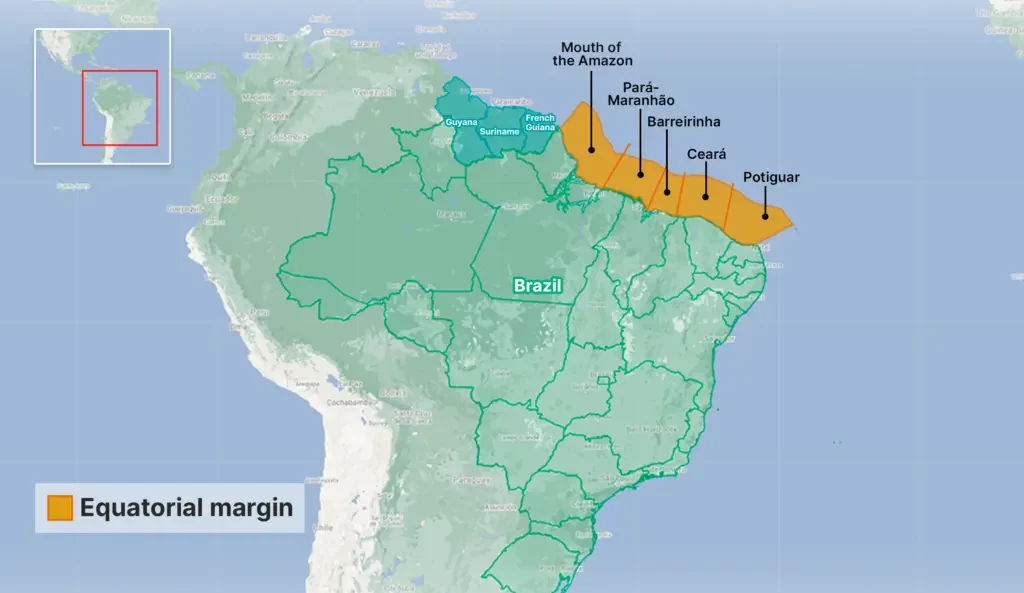
The Equatorial Margin stretches from Rio Grande do Norte to Amapá, including the Amazon River mouth.
Environmentalists warn that increasing hydrocarbon activities could worsen global warming and harm local wildlife.
Lula stressed the need to protect ecosystems while keeping pace with neighboring countries’ oil ventures.
“We must advance without compromising our environmental commitments,” he stated.
Chambriard expressed concerns over persistent regulatory holdups by IBAMA, noting a lost decade since the initial 2013 exploration bid.
She suggested these delays may stem from bureaucratic challenges rather than just operational issues.
Despite authorization to operate off the northern coast, Petrobras struggles to gain broader exploration permissions.
Chambriard aims to demonstrate the project’s safety and environmental soundness to the National Energy Policy Council (CNPE).
This effort reflects Brazil’s struggle to balance natural resource utilization with global sustainability demands.
Background
Brazil’s northern coast gained attention due to significant oil finds in Guyana and Suriname. Interestingly, it’s not just oil companies watching.
From Rio Grande do Norte to Amapá lies the Brazilian Equatorial Margin. Its geological makeup mirrors Guyana and Suriname.
These nations report oil reserves nearing 13 billion barrels. Brazil’s Ministry of Mines and Energy (MME) projects around 10 billion barrels on their side.
Expert Adriano Pires agrees. However, some believe Brazil’s portion could even beat the 13 billion mark.
More: Brazil news in English, every day from The Rio Times.
This article was produced by The Rio Times’ automated newsroom system. How we use AI · Report an error
Read More from The Rio Times