Caribbean Reparations Chief Says Slavery Justice Push Is in Final Phase
Key Facts
Caribbean governments have pressed former colonial powers for slavery reparations through a regional commission set up in 2013. Their leading campaigner now says the movement has entered its final phase.
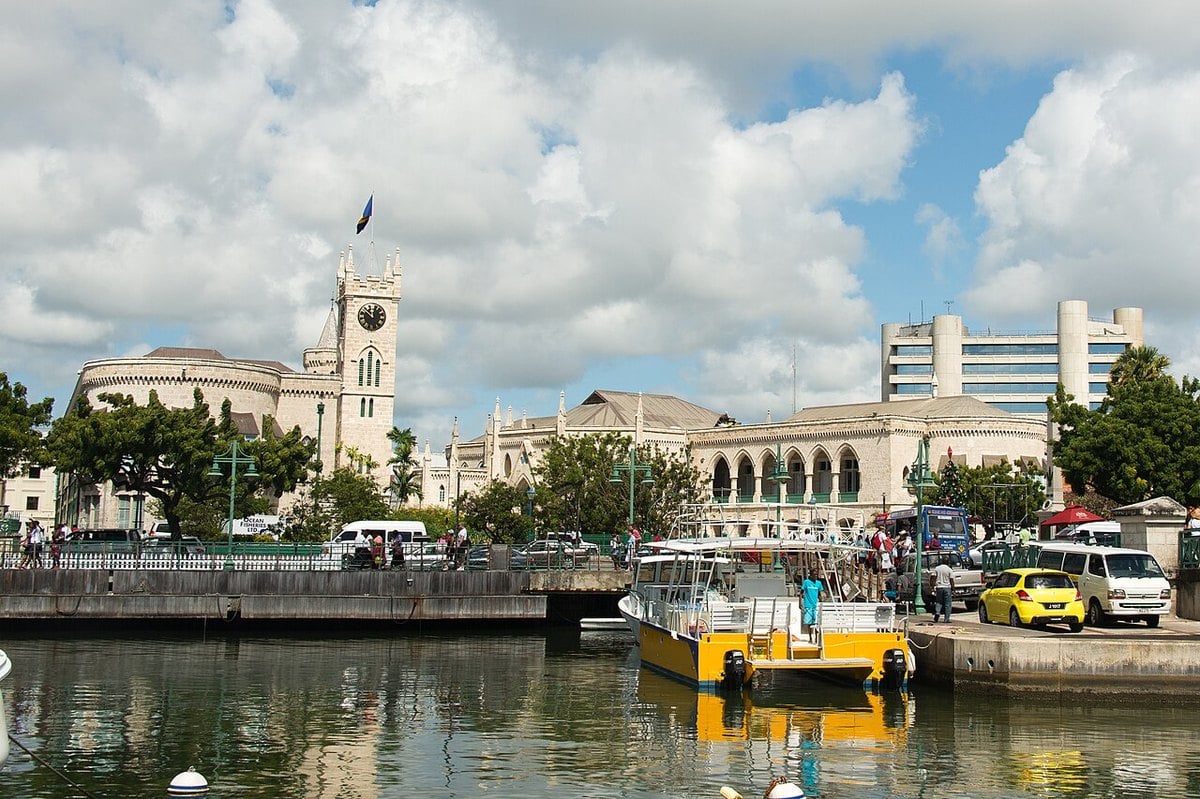
Sir Hilary Beckles, who chairs CARICOM’s reparations commission, said on 18 September 2026 that the movement was in its final phase. “This is the final eruption of this movement, and we are not going to retreat,” he told delegates, Barbados Today reported.
Why This Matters
CARICOM, the Caribbean Community, is a regional bloc made up mostly of former British colonies. Its Ten-Point Plan demands reparatory justice from the United Kingdom, other European states and “all enslaving nations”, according to CARICOM.
On 25 March 2026, the UN General Assembly declared the trafficking and chattel enslavement of Africans “the gravest crime against humanity”. Ghana tabled the resolution for the African Group, and it passed with 123 votes in favour, UN News reported.
Three countries voted against and 52 abstained, while the text called reparations claims a concrete step towards remedy. The United States, Israel and Argentina voted against, and Washington said it recognises no legal right to such reparations.
What Beckles Said
“We are now in the fifth wave, and our position is this is it,” Beckles said, Barbados Today reported. Earlier waves ranged from enslaved people seeking pay for stolen labour to land petitions after emancipation, the paper said.
He unveiled a revised Ten-Point Plan that now places the experience of enslaved women at its centre. He said “only an enslaved woman can give birth to a slave child”, explaining how slave law passed bondage through mothers.
He said Barbados imported 600,000 Africans, yet only 83,000 enslaved people remained at emancipation in 1834. For Jamaica, he cited 1.5 million Africans imported and 300,000 remaining at emancipation.
The conference runs from 17 to 19 September under the theme “Reparatory Justice as the Coming Enlightenment”. Organisers said delegates would adopt an action plan for 2027 to 2031 with measurable targets, the Jamaica Observer reported.
What Is Not Yet Known
The full text of the revised plan was not published in the reports reviewed by The Rio Times. It is also unclear how European governments named in the plan will respond to the new push.
The conference’s final declaration and the targets in the new action plan had not been released at the time of writing. The reports reviewed do not say whether leaders will take the revised plan to any specific government.
Frequently Asked Questions
What does CARICOM want from former colonial powers?
Its Ten-Point Plan seeks reparatory justice from the United Kingdom, other European states and all enslaving nations. A revised version was presented in Barbados in September 2026.
What did the UN decide on the slave trade in 2026?
On 25 March 2026, the General Assembly called the transatlantic slave trade the gravest crime against humanity. The vote was 123 in favour, three against and 52 abstentions.
Sources: Barbados Today, Beckles says reparations movement in final phase, Jamaica Observer, Barbados hosts third CARICOM reparations conference, St Vincent Times, conference agenda and venue, UN News, General Assembly resolution on the slave trade, CARICOM, Ten-Point Plan for Reparatory Justice
This article was produced by The Rio Times’ automated newsroom system. How we use AI · Report an error
Read More from The Rio Times