Argentina Investment Rises 1.2% in August on Imported Equipment
ARGENTINA · ECONOMY
Key Facts
- —What happened Real investment rose 1.2% in August 2026 from July, after seasonal adjustment, according to the private consultancy Orlando Ferreres y Asociados.
- —The source The figure comes from Ferreres’s monthly investment index, not from INDEC, the national statistics office, which publishes investment only quarterly.
- —What drove it Imported equipment jumped 10.6% on the month, while Argentine-made equipment fell 2.5% and construction fell 2.9%, Ferreres reported.
- —The catch Investment was still 5.4% lower than in August 2025, and INDEC counted an 11.1% annual fall in the second quarter.
- —What comes next INDEC publishes its third-quarter national accounts, including investment, on 16 December 2026.
Argentina investment turned up in August for the first time in three months, lifted by imported machinery for large energy projects. Construction kept shrinking.
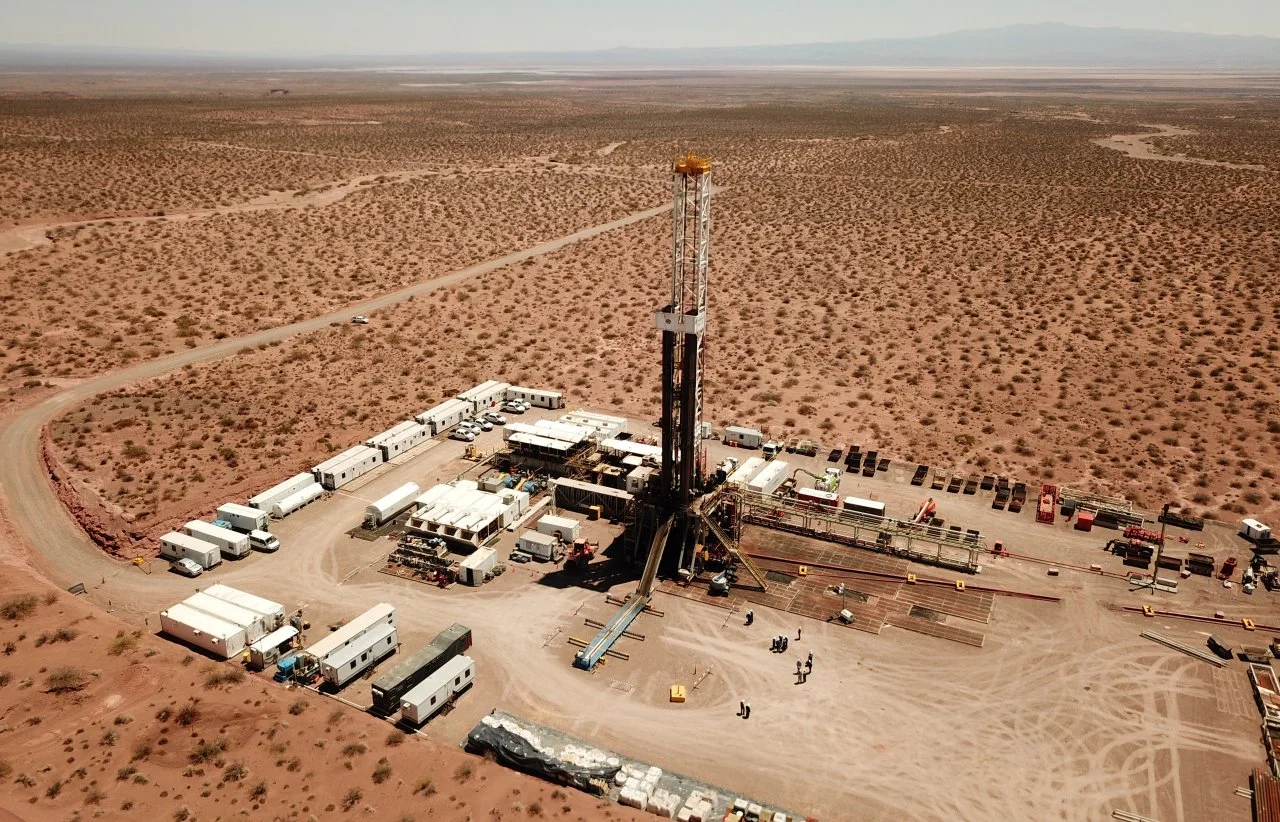
Argentina’s real investment rose 1.2% in August 2026 from July, led by imports of machinery and equipment. The figure comes from the private consultancy Orlando Ferreres y Asociados, as reported by the financial daily Ámbito on 29 September.
A rebound after two monthly falls
The increase is seasonally adjusted, meaning it strips out normal calendar swings. It follows two consecutive monthly declines, including a 3.5% drop in July.
Compared with a year earlier, investment was 5.4% lower in August. That is a smaller annual fall than July’s, which this release puts at 8.4%.
Ferreres valued August investment at about US$7.5 billion, or 18.4% of gross domestic product (GDP) by its estimate. Many economists see 20% as a minimum for steady growth, Ámbito noted.
Imported machinery did the lifting
The rebound came almost entirely from equipment. Spending on durable production equipment rose 4.7% from July.
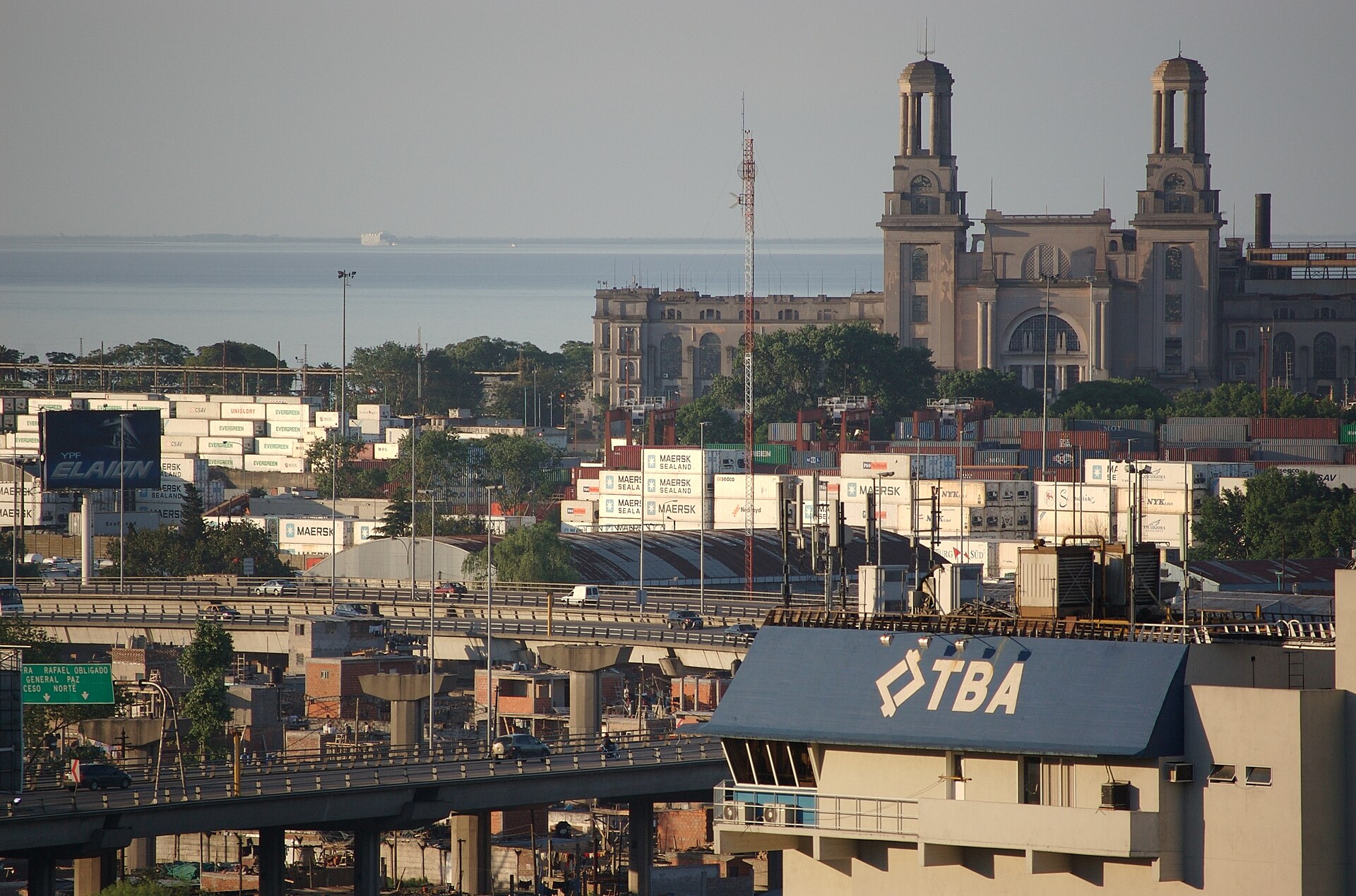
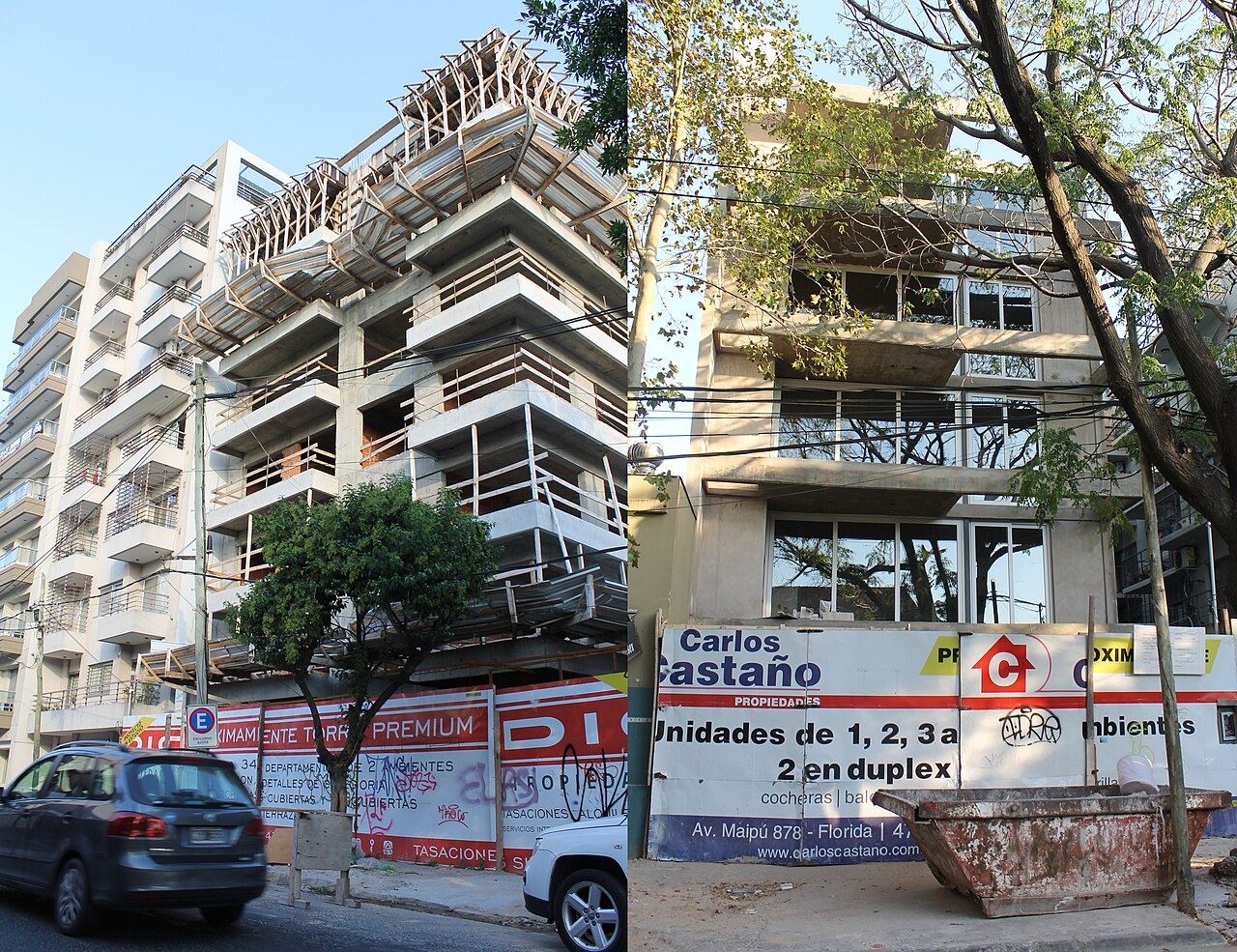
Inside that category, imported equipment jumped 10.6%, while equipment made in Argentina fell 2.5%. Construction, the other large block of investment, dropped 2.9% on the month.
Ferreres itself was cautious. “Investment continues to show a weak performance,” its report said.
It added that construction “is not managing to get onto a path of recovery”.
Big energy projects behind the imports
Much of the imported equipment is tied to RIGI, the incentive regime for large investments that Congress approved in 2024. It was part of a broad reform law pushed by President Javier Milei.
RIGI offers lower taxes, customs relief and freer access to foreign currency to projects above a minimum size, usually US$200 million. Those terms are locked in for 30 years.
Economist Federico Bernini counted a record of about US$140 million in RIGI imports in August, Ámbito reported. He works at IIEP, an economics institute at the University of Buenos Aires.
The oil pipeline Vaca Muerta Oleoducto Sur (VMOS) led those purchases. It will carry crude from the Vaca Muerta shale field to the Atlantic coast of Río Negro province.
Two newer projects began importing, Bernini said: Rincón de Aranda, a shale oil field in Neuquén, and San Matías. The latter is a gas pipeline to the Río Negro coast.
The official picture is weaker
INDEC, the national statistics office, does not publish a monthly investment index. Its quarterly accounts give the longer view.
In the second quarter of 2026, gross fixed investment fell 11.1% from a year earlier, INDEC reported on 17 September. It also slipped 0.8% from the first quarter.
The two measures are built differently. INDEC works in constant 2004 pesos, while Ferreres also expresses investment in US dollars, so month-to-month readings can diverge.
Machinery and equipment fell 15.2% in that quarter, and transport equipment 22.1%. Building investment was almost flat, down 0.1%.
INDEC’s trade data add a second check on August. Imports of capital goods reached US$1.31 billion, 3.1% more than a year earlier in value but 3.0% less in volume.
Where Argentina stands in the cycle
Investment has been falling for most of 2026. Ferreres measured a 7.6% drop in the first half, and INDEC says the whole economy shrank 0.6% in the second quarter.
The August rise is therefore one month of recovery from a low base. From January to August, the volume of capital goods imports was still 12.6% lower than a year before, INDEC data show.
Energy is where the new money concentrates. Vaca Muerta, in Neuquén province, is one of the world’s largest shale oil and gas deposits.
The stabiliser is the group of large energy projects now importing equipment. The risk is that construction, which employs many workers, keeps shrinking while those projects stay concentrated in a few regions.
What it means for investors and residents
For investors, the data suggest that spending linked to Vaca Muerta and RIGI is starting to show up in the numbers. Wider business investment has not yet followed.
Imported machines must be paid for in dollars. INDEC recorded a goods trade surplus of US$2.19 billion in August, so exports still earned more than imports cost.
For residents, weak construction means fewer new building projects and less work in a labour-intensive sector. One strong month does not yet make a trend.
Private monthly indexes can be revised, as the change in July’s figure shows. INDEC’s third-quarter figures, due on 16 December 2026, will show whether the rebound held.
More: Argentina news, every day from The Rio Times.
Frequently Asked Questions
Who measures Argentina investment each month?
The private consultancy Orlando Ferreres y Asociados publishes a monthly index of real investment. INDEC, the national statistics office, measures investment only quarterly in its national accounts.
Why did Argentina investment rise in August 2026?
Imported equipment rose 10.6% from July, much of it for large energy projects under the RIGI incentive regime. Construction and Argentine-made equipment both fell.
Is investment in Argentina recovering?
Not yet on an annual basis. Investment was 5.4% below August 2025, according to Ferreres, and INDEC recorded an 11.1% annual fall in the second quarter.
Sources: Ámbito · INDEC, Informe de avance del nivel de actividad, Q2 2026 · INDEC, Intercambio comercial argentino, August 2026
This article was produced by The Rio Times’ automated newsroom system. How we use AI · Report an error
In depth
Read More from The Rio Times