Aquaculture Takes the Lead Over Traditional Fishing: A New Global Trend
Aquaculture now surpasses wild fishing in global production, reports the UN’s Food and Agriculture Organization (FAO).
Unveiled in Costa Rica, the report showcases a pivotal moment in the history of food production.
The figures are compelling. In 2022, the total output from both fisheries and aquaculture hit a peak of 223.2 million tonnes, a 4.4% rise from 2020.
Notably, aquaculture alone contributed 130.9 million tonnes. Aquatic animals made up 94.4 million tonnes of this, accounting for 51% of total aquaculture production.
Manuel Barange, FAO’s Deputy Director-General, sheds light on these numbers.
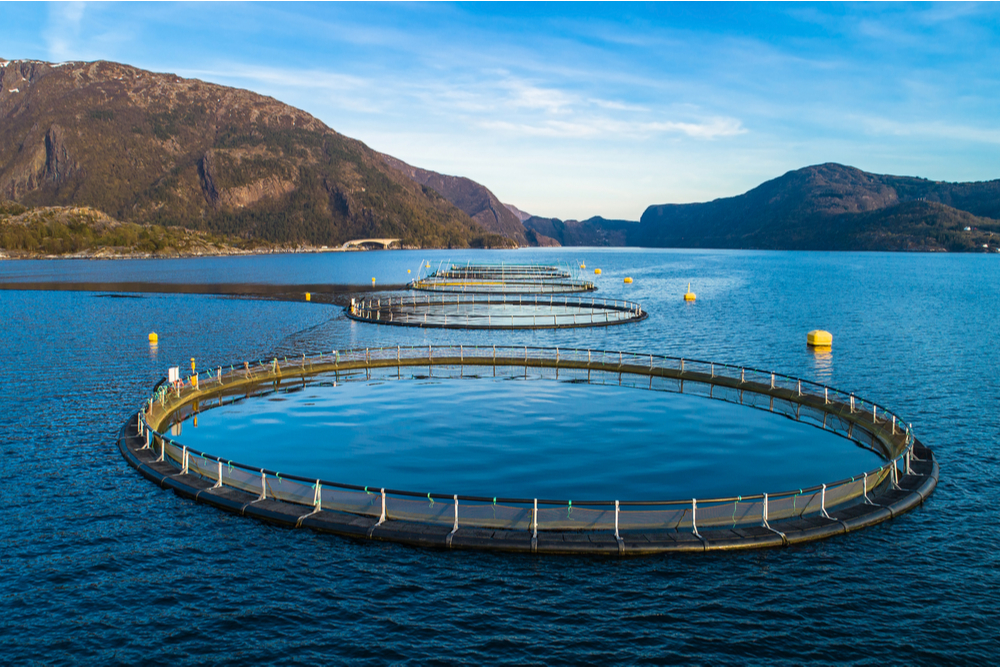
He points out that aquaculture’s rapid growth benefits the environment by reducing strain on ocean fisheries.
This sector is expanding by 5% globally each year since 2000, and even faster in Latin America and the Caribbean, at 8%.
Moreover, Barange argues that aquaculture’s growth could significantly mitigate global hunger and malnutrition.
With the world population expected to reach nearly 10 billion by 2050, sustainable food sources like aquatic foods are critical.
Aquaculture Takes the Lead Over Traditional Fishing: A New Global Trend
A significant 90% of aquaculture production originates from Asia, suggesting massive potential for growth in regions like Africa and Latin America.
China leads the charge, contributing 36% to global production, followed by India, Indonesia, Vietnam, and Peru.
Barange applauds China’s progress in sustainable aquaculture over the past three decades. As the top fish exporter, China is fine-tuning its practices to meet sustainability goals.
This expansion of aquaculture not only promises more sustainable food sources but also boosts employment.
Over 61.8 million people worldwide work in this sector, offering a beacon of economic hope for many.
This surge in aquaculture signals a turning point. It highlights the need for sustainable practices as we approach a critical juncture in feeding a growing global population.
The report is not just about numbers; it’s a roadmap for future food security and environmental stewardship.
More: Brazil news in English, every day from The Rio Times.
This article was produced by The Rio Times’ automated newsroom system. How we use AI · Report an error
Read More from The Rio Times