A Delicate Dance in Muscat: U.S. and Iran Face Off in High-Stakes Nuclear Talks
(Analysis) As twilight descends over the Gulf of Oman, Muscat finds itself at the center of a diplomatic crossroads that could alter the trajectory of Middle Eastern politics.
On April 12, the United States and Iran will convene for their most consequential nuclear negotiations since the collapse of the 2015 Joint Comprehensive Plan of Action (JCPOA).
Mediated by Omani diplomats in a format of indirect talks, this encounter represents not only a test of diplomacy but also a gamble with history.
The stakes are immense: success could defuse tensions and offer a rare reprieve for a volatile region; failure could ignite conflict with global repercussions.
A Fragile Legacy and Stark Objectives
For the United States, led by President Donald Trump in his second term, the mission is clear: to prevent Iran from acquiring nuclear weapons.
Trump’s withdrawal from the JCPOA in 2018 marked a turning point in U.S.-Iran relations, and his administration now seeks a more stringent agreement—one that would permanently dismantle Iran’s uranium enrichment capabilities.
The rhetoric from Washington oscillates between cautious optimism and thinly veiled threats. Trump has described these talks as “historic” while warning Iran of “grave consequences” should diplomacy falter.
The recent deployment of two aircraft carrier strike groups and B-2 stealth bombers to the region underscores the seriousness of this ultimatum.
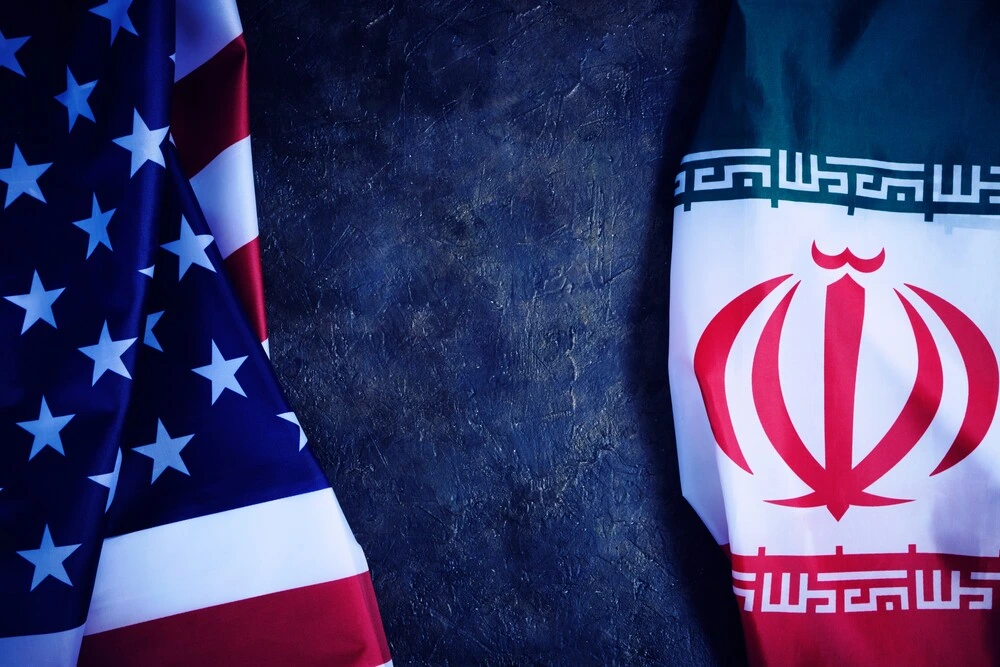
Iran approaches these negotiations battered but unbowed. Years of crippling U.S. sanctions have slashed oil exports, deepened economic woes, and fueled domestic unrest. Yet Tehran remains resolute.
Foreign Minister Abbas Araghchi, representing Iran at the talks, has insisted on indirect negotiations—a format dictated by Supreme Leader Ayatollah Ali Khamenei’s deep mistrust of Washington and pressure from hardline factions at home.
Iran maintains that its nuclear program is peaceful, citing religious edicts against weapons of mass destruction. However, its stockpile of near-weapons-grade uranium—reportedly sufficient for several bombs—has alarmed adversaries.
President Masoud Pezeshkian, a reformist navigating political fractures within Tehran, sees sanctions relief as essential to stabilizing his nation but cannot afford to appear weak or capitulating.
A Precarious Balance
Beneath the posturing lies a delicate equilibrium. Iran’s nuclear advances since 2018 have brought it closer to breakout capability, yet its vulnerabilities are glaring.
Israeli airstrikes in 2024 weakened its air defenses and regional proxies like Hezbollah, while economic hardship stokes public discontent at home.
On the other side, the United States wields formidable leverage through sanctions that have strangled Iran’s economy and military deployments that signal readiness for escalation.
Yet Washington faces constraints too: Trump’s domestic agenda demands his attention, and another Middle Eastern war would risk political backlash at home.
The indirect nature of these talks—mediated by Oman’s seasoned diplomats—reflects mutual mistrust between Tehran and Washington.
Messages will shuttle between U.S. envoy Steve Witkoff and Araghchi in Muscat’s conference rooms, with every word weighed against decades of animosity.
Global Powers in Play
The dynamics extend far beyond Muscat’s borders. Israel remains an unyielding force in pressuring both parties; Prime Minister Benjamin Netanyahu has called for a “Libya model” approach—complete nuclear disarmament backed by military deterrence.
Meanwhile, Iran leverages strategic partnerships with Russia and China to counterbalance U.S. pressure. Russia has offered to mediate directly, citing its influence over Tehran and vested interest in regional stability, while China urges restraint to safeguard its energy interests.
Iran’s membership in BRICS and its 20-year defense pact with Moscow provide diplomatic ballast that complicates U.S.-led efforts to isolate Tehran.
Why Now?
The timing reflects both urgency and opportunity. Iran’s nuclear progress has reduced International Atomic Energy Agency (IAEA) oversight, sounding alarms in Washington and Tel Aviv.
Trump sees these talks as an opportunity to secure a foreign policy triumph that outshines the JCPOA—a deal he derided as flawed and insufficient during his first term. For Iran, sanctions relief is no longer just desirable; it is imperative for economic survival amid mounting domestic unrest.
Oman’s role as mediator is pivotal. Known for its discreet diplomacy, Muscat has long been a trusted intermediary between Tehran and Washington—a reputation built on years of quiet facilitation during earlier rounds of negotiations.
The Tightrope Ahead
As negotiators prepare to meet under Oman’s watchful eye, they tread a tightrope over uncertainty. A successful agreement could halt Iran’s nuclear ambitions while easing its economic isolation—a win for both sides that might also offer fleeting calm to a region perpetually on edge.
Failure risks escalation: Israeli strikes on Iranian facilities, Iranian retaliation through proxy forces like Hezbollah or the Houthis, or even direct U.S.-Iranian confrontation that could engulf the Gulf in chaos.
The memory of the JCPOA looms large over Muscat’s conference rooms—a cautionary tale of promises made but broken under shifting political winds. For now, all eyes turn to Oman as diplomats attempt to bridge divides that have defined decades of enmity.
The world waits anxiously for what could be either a step toward peace or yet another chapter in an enduring cycle of conflict
Key Facts
— Deep Dive
— For the complete picture, read our in-depth guide: Iran War and Hormuz Crisis 2026: Oil, Latin America and the Global Fallout
This article was produced by The Rio Times’ automated AI newsroom. Editorial responsibility: Matthias Camenzind, Publisher and Editor-in-Chief. The Rio Times also runs Ask Rio Times, which answers from 100,000+ of our own articles, the daily Latin America Power Map, and prediction-market odds on elections and markets.. How we use AI · Report an error