China’s Export Surge Signals Pre-Tariff Rush Amid U.S. Trade Tensions
Chinese exports jumped 12.4% in March compared to last year, far exceeding market expectations of 4.4%, according to data released Monday by the Chinese government.
This remarkable growth likely stems from exporters rushing shipments before new US tariffs take effect in April. The March export figures mark a significant acceleration from the modest 2.3% growth recorded in the first two months of the year.
This surge created a trade surplus of $102.64 billion, substantially higher than the $77 billion economists had projected. Meanwhile, Chinese imports fell by 4.3% year-over-year in March.
Though still negative, this represents an improvement from the steeper 8.4% decline seen in January-February, yet falls short of the 1.8% increase economists anticipated.
The export boom reflects a calculated response to the Trump administration’s protectionist policies. American tariffs of 25% on steel and aluminum imports have already taken effect, with additional 25% tariffs on imported vehicles scheduled for April implementation.
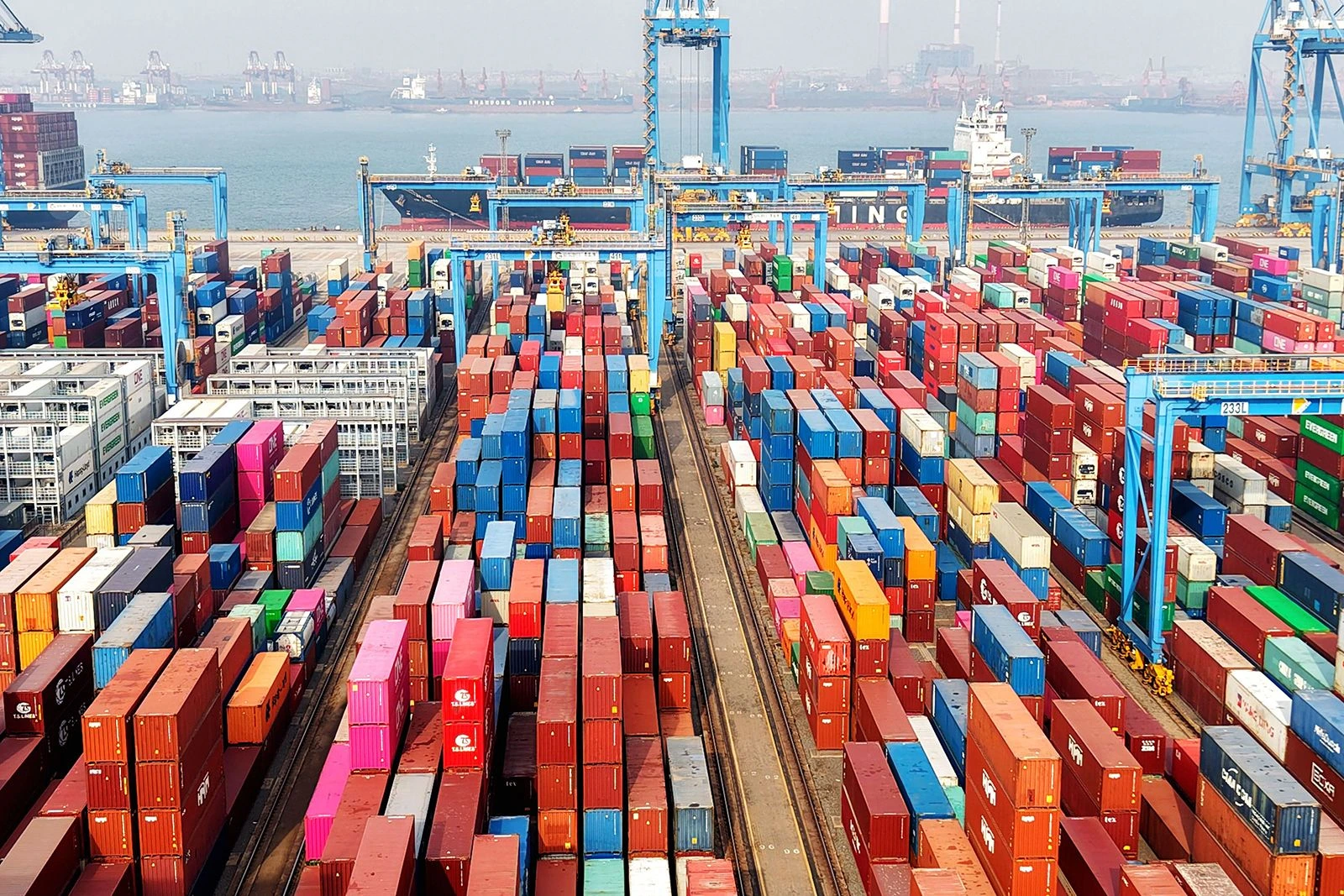
Key export sectors driving China’s March performance include semiconductors ($13.1 billion, up 11.9%), automobiles ($6.2 billion, up 1.2%), and ships ($3.2 billion, up 51.6%).
By destination, exports to the European Union grew 9.8% to $6.3 billion, while exports to the United States increased 2.3% to $11.1 billion. China has not remained passive in this trade conflict.
China Faces Critical Test Amid Rising Tariffs
The country raised tariffs on American goods to 125%, up from the previous 84%, though Chinese officials have indicated they won’t impose further increases even if the US escalates measures.
The current export surge likely represents a temporary phenomenon rather than sustainable growth. Analysts expect Chinese exports to face significant headwinds once the new American tariffs take effect.
This trade tension occurs against a backdrop of broader economic challenges for China, including rising production costs, increasing competition from developing economies, and pressure to move up the value chain toward higher-end manufacturing.
The next few months will prove critical as both nations navigate this intensifying trade relationship. China’s ability to adapt to these pressures will determine whether it can maintain its position as a global export powerhouse despite growing protectionist headwinds.
This article was produced by The Rio Times’ automated newsroom system. How we use AI · Report an error · Editorial responsibility: Matthias Camenzind, Editor-in-Chief