You Gotta Fight for Your Right To Party? Rio’s Wicked War on Baile Funk
RIO DE JANEIRO, BRAZIL – Many of Rio de Janeiro’s oldest favela communities have long been regarded as well-springs of popular cultural creativity – especially musically – and this is a process that has not ceased. What has changed is the reception this creativity has received in the wider community.
Communities like Mangueira (among others) are justifiably famous for their role as incubators and innovators of musical genres – like samba and choro – that have come to be recognized as authentic forms of uniquely Brazilian music.
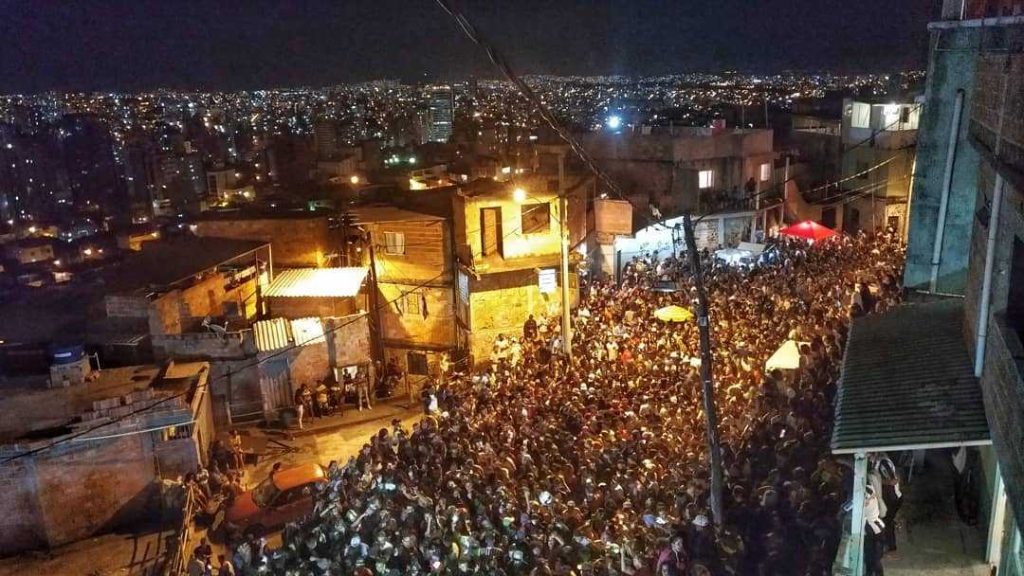
Given this tradition, it’s strange to see that the latest incarnation of musical innovation in favela communities – funk carioca – has been variously repressed, persecuted and criminalized in the city of its origin – even as it is recognized and celebrated elsewhere.
Contrasting events during a recent weekend in Rio de Janeiro encapsulate this domestic ambivalence. At the Gloria Marina concertgoers, many from outside the city were paying an unprecedented R$160 entry fee to see the early stars of funk carioca perform their greatest hits.
Elsewhere, Joana Silva, a young mother accompanying her daughter to a baile funk (funk party) in the Roseiral community of Belford Roxo, was electrocuted after falling on wires while attempting to flee gunfire generated when Military Police invaded the “unauthorized musical event.”
As a musical genre, funk carioca began as a local hybrid of two styles of hip-hop – specifically Miami bass and gangsta rap – both imported from the USA in the 1980s. Combining these influences with a host of local traditions into a unique percussive style, funk carioca emerged from Rio’s favelas on DJ Marlboro’s 1989 “Funk Brasil” album to become a distinctive national musical form garnering global attention.
In fact, along with “sertaneja”, an identifiably Brazilian form of country music, funk carioca has been credited with saving the Brazilian music industry through a remarkable national and global growth in streaming sales. Perversely, this favela funk or baile funk (as it is known internationally) continues to enjoy greater respect and recognition outside Rio de Janeiro and even Brazil than locally.
Like samba, the primary expression of funk is communal, in the form of baile funk, parties where the music is played – in this case very loudly – and, importantly, danced to. It is the baile funk that has attracted the most explicit (and often violent) forms of repression.
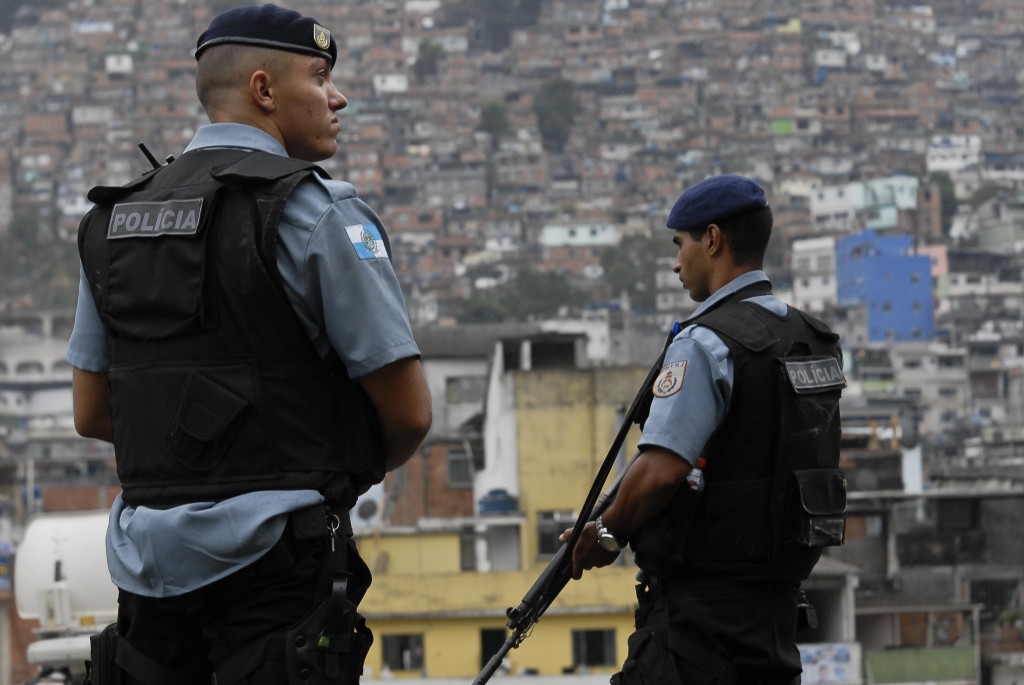
Baile funk emerged in favelas during the 1980s under Brazil’s military dictatorship and (like the Black Rio/Black Soul movement of the 1960s) they provided a space for young Afro-Brazilians to claim a tangible black identity grounded in a vibrant local culture.
The emerging genre was quickly targeted by the dictatorship. In a relatively short time, suppression (police forcibly closing shows) progressed to criminalization in the 1990s and early 2000s as laws were passed banning both the music and the parties themselves.
Arguably, this echoes a pattern repeated with other Afro-Brazilian forms of art, like samba and capoeira. What is unusual is that it has continued for nearly 30 years and remains real today.
This is not to suggest that funk and its culture is unproblematic – and certainly its intended audience is not the readers of this column. Baile funk is ear-shatteringly loud and makes for terrible neighbors. Nonparticipants in their vicinity are ensured a sleepless night set to a relentlessly pounding beat. As with its American cousin, rap, funk lyrics have been attacked for their blatant misogyny and glorification of the gangster lifestyle.
But, like rap, funk has evolved as it has aged. A new generation of feminist funkeiras, like MC Carol and MC Rebecca, have begun to change the face of – and audience for – funk carioca.
Aided by implacably negative media coverage, baile funk also became inextricably associated with drug cartels, drawn to the funk scene both as a retail venue and as a means to promote their own particular faction. Accordingly, they remain a persistent target of police repression. As such, funk carioca has inadvertently reflected the lived reality of the communities that nurtured it.
Despite this critique, funk, or baile funk as it is known abroad, is widely recognized as a legitimate and novel musical genre and enjoys a huge (and growing) following both in Brazil and internationally.
Every generation creates its own form of musical expression which – from rock and roll to hip hop and even The Beastie Boys – has usually doubled as a vehicle for youthful rebellion. Funk carioca is no different. What is different is the persistent lack of respect funk receives in its place of origin.
More: Brazil news in English, every day from The Rio Times.
Living in or visiting Rio de Janeiro? See this month's events and our Rio de Janeiro city guide with rents, safety and upcoming concerts.
This article was produced by The Rio Times’ automated AI newsroom. Editorial responsibility: Matthias Camenzind, Publisher and Editor-in-Chief. The Rio Times also runs Ask Rio Times, which answers from 100,000+ of our own articles, the daily Latin America Power Map, and prediction-market odds on elections and markets.. How we use AI · Report an error
Brazil runoff, Sunday, October 25: Brazil runoff: date, poll closing times and when results start. Latest: Brazil runoff polls, Flávio 51%, Lula 49%.