The ITER project, aiming to replicate the nuclear fusion process that powers the sun, has postponed its initial operation date to 2035.
This delay pushes the timeline back by a decade from its previous target. Initiated in 2006 and with construction starting in 2010 in southern France, ITER has faced numerous challenges.
These include technical and regulatory hurdles, compounded by the COVID-19 pandemic, which led to factory shutdowns and disrupted workforce availability.
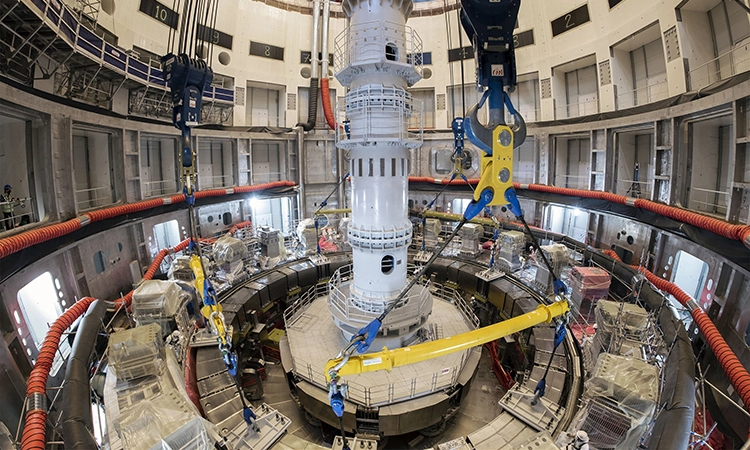
The pandemic’s impact exacerbated existing technical issues, such as defects in the vacuum vessel’s thermal shields and sectors, which are critical components of the reactor.
As a result, the cost of the project has surged to $21 billion, triple the initial estimates.
This increase has raised concerns about the project’s financial viability and feasibility.
Some experts suggest reallocating funds to smaller, more advanced fusion reactors or alternative energy sources in response.
Despite these setbacks, the ITER organization remains dedicated to its mission. Recent updates indicate progress in repairing critical components and advancing the reactor’s assembly.
Director General Pietro Barabaschi has established a new timeline to ensure a scientifically robust and technically sound approach, targeting 2035 for initial operations.
Global Support for Fusion Energy
The ITER Council, consisting of representatives from China, the European Union, India, Japan, South Korea, Russia, and the United States, continues to support the project.
This international collaboration highlights the global importance of developing fusion energy as a potential large-scale, carbon-free power source.
Fusion energy, if successfully harnessed, could revolutionize the global energy landscape.
It promises a virtually limitless, low-carbon energy source by mimicking the processes occurring in stars. This potential makes ITER’s success critical, despite the current delays.
The next steps for the project involve thorough evaluations and optimizations of research and development plans. These efforts ensure alignment with the new timeline and goals.
ITER’s journey reflects the broader challenges and hopes of the scientific community in achieving sustainable energy solutions.
While the delays represent setbacks, the advancements, and ongoing international cooperation provide optimism for the future of nuclear fusion energy.
This article was drafted with automated assistance and reviewed before publication. How we use AI · Report an error
Read More from The Rio Times