USA & Canada Intelligence Brief — Monday, November 9, 2026
Executive Summary
USA & Canada Intelligence Brief for November 9: Miller replaces Wiles as chief of staff; US jobs up 165,000; Canada deficit US$44.2 billion.
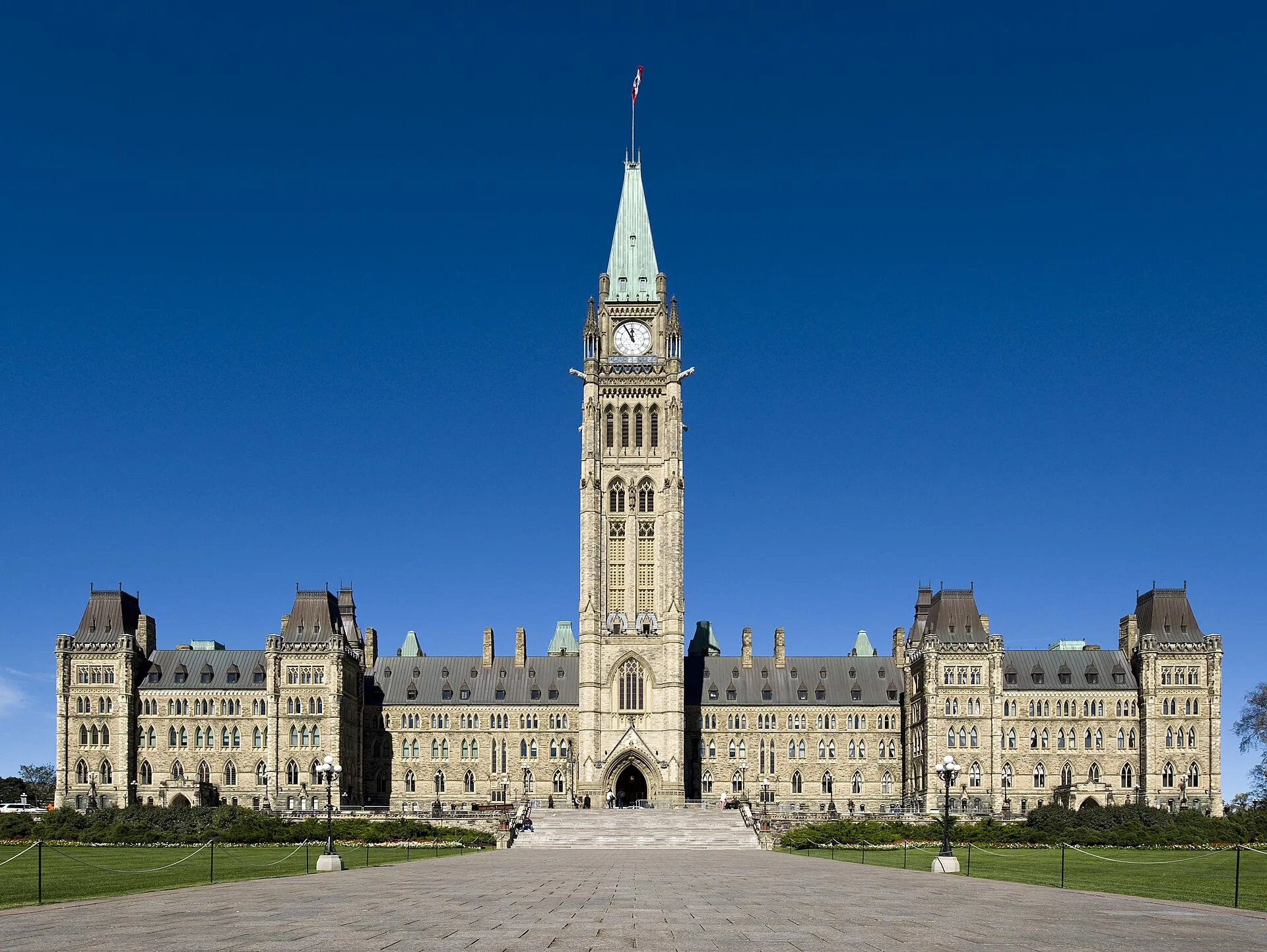
The region begins the week in a mood of restless reshuffling, with Washington swapping its gatekeeper and Ottawa waiting on a trade deal that exists so far only as an idea. Nobody is celebrating, because the midterm result has moved the argument but not yet the levers.
The register in the United States is one of tightening ranks, with loyalty rewarded and blame assigned, while the opposition speaks in the future tense about a Congress that does not sit until January. In Canada the voice mixes a studied welcome for Democrats with a loud domestic quarrel over borrowing, immigration and who carries the burden.
The through-line is that every actor is bargaining on borrowed time. Trump wants a win before the new Congress arrives, Carney wants relief before the deficit hardens, and workers on both sides of the border are waiting for either.
Key Facts
Handover. Stephen Miller replaces Susie Wiles as White House chief of staff today, 9 November.
Tariff. A 20 July proclamation put a 50% duty on about US$20 billion of Canadian goods.
Budget. Canada’s 5 November budget projects a deficit of C$62.3 billion (US$44.2 billion) for 2026-27, down from the C$65.3 billion projected in the spring.
Jobs. US employers added 165,000 jobs in October and unemployment fell to 4.1%.
Alberta. Alberta’s 19 October provincial referendum cost about C$84 million.
Washington: A Gatekeeper Changes And A Majority Waits
Axios reported on 6 November that the departure of Wiles, Trump’s longest-serving chief of staff, was mutual but driven by the election results, for which Trump blamed Wiles, while ABC affiliates said the same day that Wiles made the decision. The dispute over who chose matters less than the signal that the White House reads its defeat as a failure of management and answers by tightening its circle.
Miller was deputy chief of staff, so the ideas stay and only the manager changes, which suggests the administration expects to meet the new Democratic majority with the same agenda. NetNewsLedger, citing AP projections on 8 November, noted that Democrats won both chambers but that the new Congress sits only in January and a veto override needs two thirds, so the opposition’s leverage is still more a mood than a mechanism.
Ottawa: A Budget Of Big Numbers And Thin Trust
CTV News reported on 8 November that Finance Minister François-Philippe Champagne argues borrowing funds investment and will help to “grow the pie”, with the 2025-26 deficit revised down by C$27.5 billion (US$19.5 billion). The government sounds like a steward defending a ledger, even as CTV noted that debt interest is projected to top C$85 billion (US$60.3 billion) by 2030. NDP leader Avi Lewis says the budget favours corporations, which leaves Carney under fire from both flanks, while CTV reports Conservative sources saying Poilievre’s leadership could be in jeopardy if the party loses the Brantford-Brant South by-election.
Ottawa And Washington: A Deal That Lives Only As A Concept
The Auto Wire reported that Trump said on 1 November that the two sides have “the concept” of a deal, one that includes the Keystone XL pipeline and no tariffs for farmers on Canadian products, though nothing is signed. The language of a concept lets Washington sound close to agreement while keeping every lever, the register of a negotiator who expects the other side to move first.
Carney, speaking in Winnipeg on 6 November, welcomed any move to restore free trade for the sake of American families struggling with affordability and has not yet spoken to Democrats. The line is deliberate, courting a future Congress without insulting the present White House, and Conservative MP Jamil Jivani said on 8 November that Ottawa must still work with Trump and called the trade war a distraction.
Alberta And Quebec: Unity Argued Out Loud
Alberta voted on 19 October to stay in Canada, with 74.95% rejecting a constitutional separation process in the official results of 29 October, and Premier Danielle Smith has said no second referendum will be held. The bruise remains, since ThinkHQ polling reported by the Western Standard put Smith’s approval at 39% against 59% disapproval between 21 and 27 October.
In Quebec, CBC and Global News reported on 7 October that Parti Québécois leader Paul St-Pierre Plamondon, whose party won a minority government, said a referendum is not an immediate priority and will not be held while Trump is in office. Both provinces show a Canada whose unity is debated openly yet patiently, which for American readers means a stable neighbour that is nonetheless distracted.
Main Street: Calmer On Prices, Colder On Jobs In Canada
Statistics Canada said on 6 November that unemployment rose to 6.7% in October from 6.5%, with employment down 4,700 and up only 0.1% on the year. The Bank of Canada lifted its overnight rate by 25 basis points to 2.5% on 28 October and said further hikes may be needed, so workers now face softer hiring and costlier credit together. Tuesday’s consumer price report is the next test for US prices, and a reading above the 3.9% forecast would unsettle households.
What This Means From Latin America
ABC and US News reported on 6 November that Ron Wyden, expected to chair Senate Finance in January, named the Canada tariffs as an early repeal target, and that Trump could veto any repeal. Exporters in Mexico and Brazil should read the sequence of a proclaimed duty, a negotiated concept and a possible veto as a template for their own tariff relief, which still runs through the White House.
A pipeline on the table in the Canadian talks shows energy access being used as a bargaining chip, a signal for crude and gas exporters from Bogotá to Buenos Aires. Miller, until now deputy chief of staff, is the figure Latin American capitals will watch for migration signals, although nothing in the handover itself changes policy.
What We Are Watching
- Monday 9 November, 11:00 a.m. ET: US consumer inflation expectation — forecast 3.8% against 3.9% prior; a first read on whether households expect prices to ease.
- Tuesday 10 November, 8:30 a.m. ET: US inflation rate — forecast 3.9% against 3.7% prior, with core at 2.8% against 2.6%.
- Thursday 12 November, 8:30 a.m. ET: US initial jobless claims — forecast 195,000 against 189,000 prior; a check on whether the strong October payrolls hold.
- Monday 16 November, 8:30 a.m. ET: Canada inflation rate — prior 3.1%; the figure that shapes how hard the Bank of Canada leans next.
- Monday 7 December: Canadian federal by-elections — including Brantford-Brant South; a verdict on Poilievre’s standing.
- Wednesday 9 December, 9:45 a.m. ET: Bank of Canada rate decision — the policy rate stands at 2.5%; the bank has said further hikes may be needed.
Frequently Asked Questions
Who is the new White House chief of staff?
Stephen Miller takes over on Monday 9 November, Regional media reported on 6 November. Miller was deputy chief of staff, and Susie Wiles moves to the political operation.
Is there a US-Canada trade deal?
Not yet. Trump said on 1 November that the two sides have “the concept” of a deal, according to The Auto Wire, but nothing is signed and a 50% duty from a 20 July proclamation remains the backdrop.
What does Canada’s budget project?
A deficit of C$62.3 billion (US$44.2 billion) for 2026-27, staying above C$50 billion (US$35.5 billion) through 2030, CTV News reported on 8 November. The government says borrowing funds investment, while Poilievre says spending is the problem.
Why did the Bank of Canada raise rates?
On 28 October the bank raised its overnight rate by 25 basis points to 2.5%, saying inflation is higher and more persistent than it expected in July. It said further hikes may be needed, and its next decision comes on 9 December.
This article was produced by The Rio Times’ automated AI newsroom. Editorial responsibility: Matthias Camenzind, Publisher and Editor-in-Chief. The Rio Times also runs Ask Rio Times, which answers from 100,000+ of our own articles, the daily Latin America Power Map, and prediction-market odds on elections and markets.. How we use AI · Report an error