Unyielding Gridlock: The Israeli Parliament Rejects Palestinian Statehood
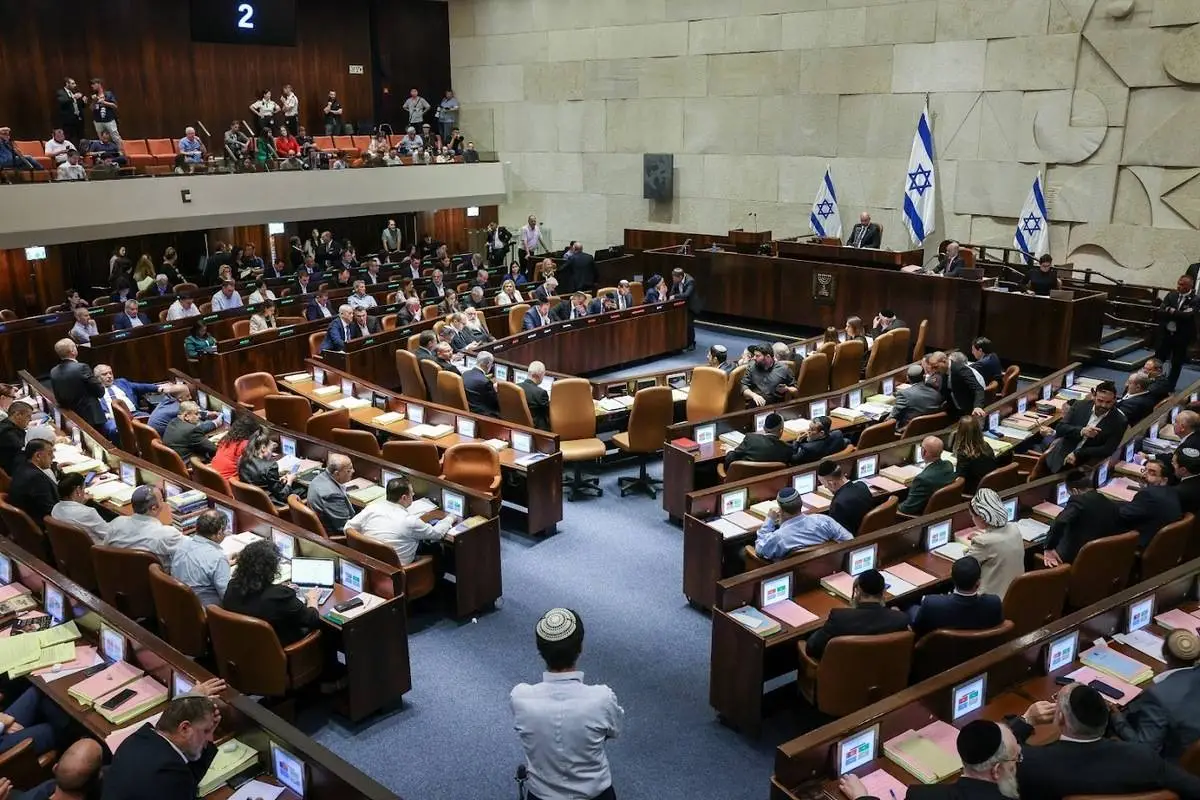
In a decisive move, the Israeli parliament has rejected the establishment of an independent Palestinian state.
This vote casts a long shadow over the Israeli-Palestinian conflict, highlighting the entrenched divisions that have challenged peacemakers for decades.
The notion of Palestinian statehood is not new. Stemming from the UN’s 1947 proposal for a two-state solution, the idea has encountered a complex mix of acceptance and rejection.
Jewish leaders initially welcomed it, but Arab states and Palestinian factions spurned it.
Today, the global stance is fractured; although 143 countries advocate for Palestine’s full integration into the UN, significant opposition remains.
Israeli Prime Minister Benjamin Netanyahu stands firmly against a Palestinian state. He advocates instead for greater Israeli control, particularly over contentious areas like Gaza.
His government’s policy aligns with a broader historical resistance within Israel to formally acknowledge Palestinian sovereignty.
Contrastingly, Palestinian President Mahmoud Abbas champions state recognition as essential for peaceful coexistence, with Jerusalem envisioned as a shared capital.
Yet, this goal is complicated by concerns that UN recognition might validate entities Israel deems terrorist groups, thus stalling any progress towards peace.
The latest parliamentary decision reflects deep-seated tensions and continues to influence global discussions on regional stability and statehood.
Criticism from Palestinian leaders, who view the vote as a severe blow to peace efforts, underscores the ongoing struggle.
This enduring conflict remains a focal point in international relations. It also serves as a stark reminder of the challenges facing those striving for comprehensive and lasting peace in the region.
The outcome of this vote is more than a political statement—it is a pivotal moment that could shape future interactions and diplomatic efforts between Israel and Palestine.
This article was produced by The Rio Times’ automated newsroom system. How we use AI · Report an error
Read More from The Rio Times