Trump Urges Apple to Halt Factory Expansion in India, Pushing for U.S. Production
President Donald Trump, speaking during a Qatar state visit, demands Apple CEO Tim Cook halt factory expansion in India for U.S.-bound iPhones, prioritizing American manufacturing.
This move underscores Trump’s mercantile strategy to boost domestic jobs and reduce reliance on foreign production. Apple remains silent on the directive, leaving its $22 billion Indian operation in question.
Apple shifts production from China, where it makes 80-90% of iPhones, to India, driven by U.S. tariffs and geopolitical tensions. India’s subsidies and growing market fuel this transition, with Foxconn and Tata producing 20% of Apple’s 40 million annual iPhones.
Last year, India exported $2 billion in iPhones to the U.S., leveraging efficient customs systems. Trump’s call for U.S. production faces steep hurdles. High labor costs could spike iPhone prices to $3,500, and America lacks the skilled workforce for Apple’s complex supply chain.
India, despite higher costs than China, offers growth potential and 200,000 jobs through Apple’s ecosystem, bolstered by $1 billion in government incentives. Meanwhile, Trump critiques India’s high tariffs, though he notes their offer to lower import taxes.
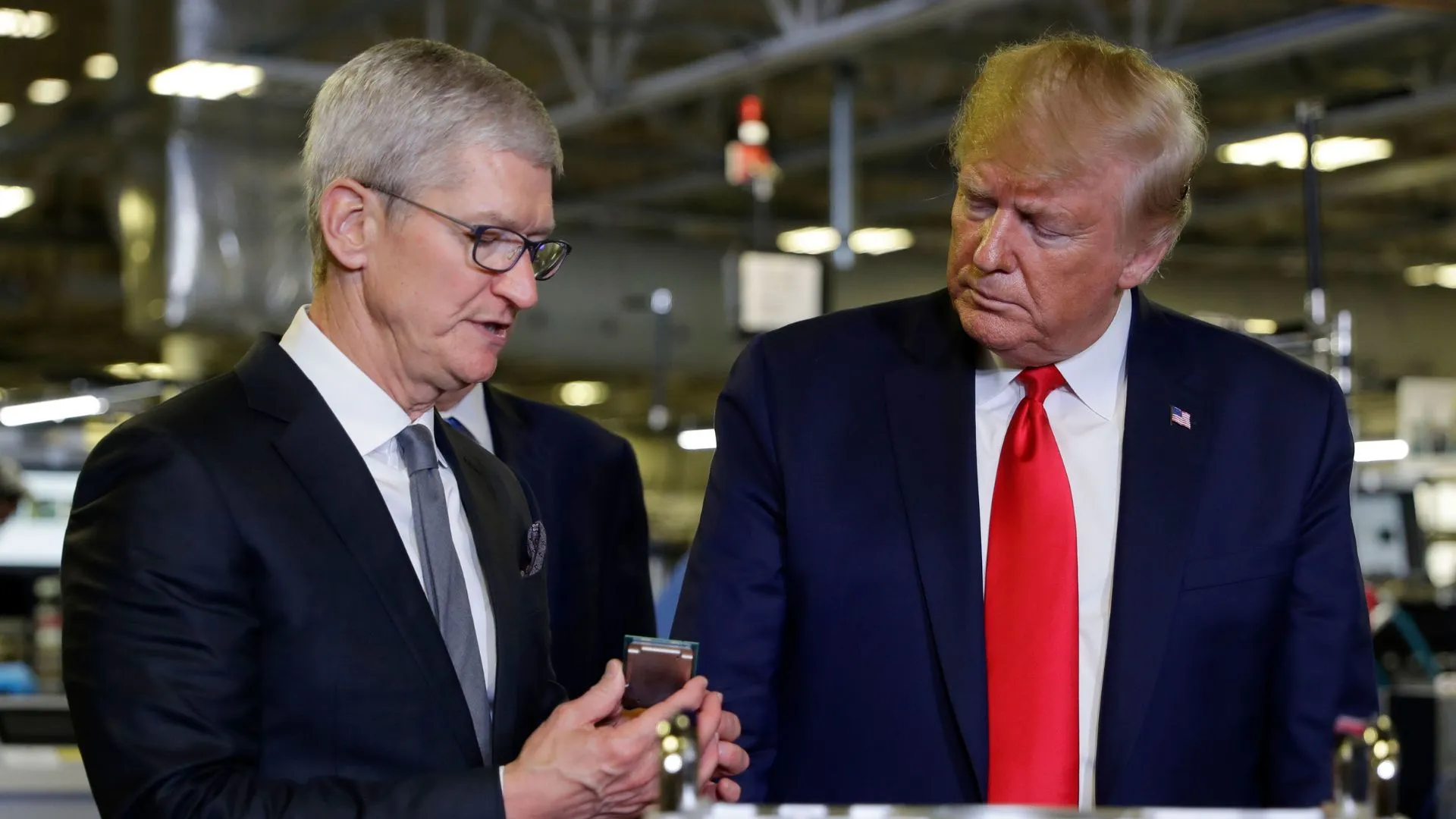
He insists Apple limit Indian production to local markets, reserving U.S. output for American consumers. This stance aligns with his 26% tariff threats on Indian goods, paused for 90 days.
Apple’s India Push Faces Geopolitical Crosswinds
Apple’s Indian factories, led by Foxconn’s Tamil Nadu plant and Tata’s new $2.6 billion facility, aim for 25-30 million units in 2025. Yet, Trump’s pressure complicates Apple’s goal to import most U.S. iPhones from India by 2026.
Trade talks, with India’s Commerce Minister visiting the U.S. soon, may shape outcomes.
This clash reveals a deeper struggle. Trump’s mercantile vision seeks to reshape global trade, prioritizing U.S. jobs over cost efficiencies.
Apple, balancing profits and politics, navigates a web of tariffs, supply chains, and market demands. The outcome will influence not just iPhone production but also U.S.-India trade relations and global manufacturing trends.
This article was produced by The Rio Times’ automated newsroom system. How we use AI · Report an error
Read More from The Rio Times