Tiger Brands Income Up 12.6%, El Niño a Risk
Operating income rose while average prices fell, and the company says the coming year will stay hard. El Niño is one of several pressures it names.

Tiger Brands: South Africa
Tiger Brands, a South African packaged food maker listed on the Johannesburg Stock Exchange (JSE), lifted operating income 12.6% to R4.3bn (US$247m) in the year to 30 September 2026, the company said on Thursday 26 November 2026. In the same statement it named El Niño, a Pacific weather cycle that can bring drought to southern Africa, as a risk to next year’s supply of inputs.
JSE prices show the shares closed on Thursday 26 November at R297.46 (US$17.11), up 11.4% on Wednesday. Rand (R, South Africa’s currency) amounts in this article use the market rate of R17.39 per US$ on 27 November 2026.
Key Facts
- Who. Tiger Brands, a Johannesburg-listed South African packaged food maker.
- What. Operating income rose 12.6% to R4.3bn (US$247m) in the year to 30 September 2026.
- Risk. El Niño, a Pacific weather cycle, could strain supply in the year to September 2027.
- Next. Margin guidance: “towards 15%” in the short to medium term.
- As of. 27 November 2026, 05:30 GMT
Operating income rose while average prices fell, and the company says the coming year will stay hard. El Niño is one of several pressures it names.
Tiger Brands’ year was one of rising volumes and falling prices. Normalised revenue, its adjusted measure that leaves out sold businesses, grew 3.3% to R33.4bn (US$1.92bn), with volumes up 4.5% and prices down 1.2%, the company said in results commentary signed on 24 November 2026.
Its grains division saw “price deflation of 9.5% resulting from the soft commodity deflation that the market experienced”. Statistics South Africa, the national statistics office, recorded food and non-alcoholic beverage inflation of 1.2% in September 2026, the commentary says.
For the year to September 2027, which it calls FY27, the company states its aim in its own words: “With El Niño remaining a risk, FY27 procurement will focus on securing inputs to mitigate supply constraints while maintaining quality.” The commentary does not say which inputs are at risk.
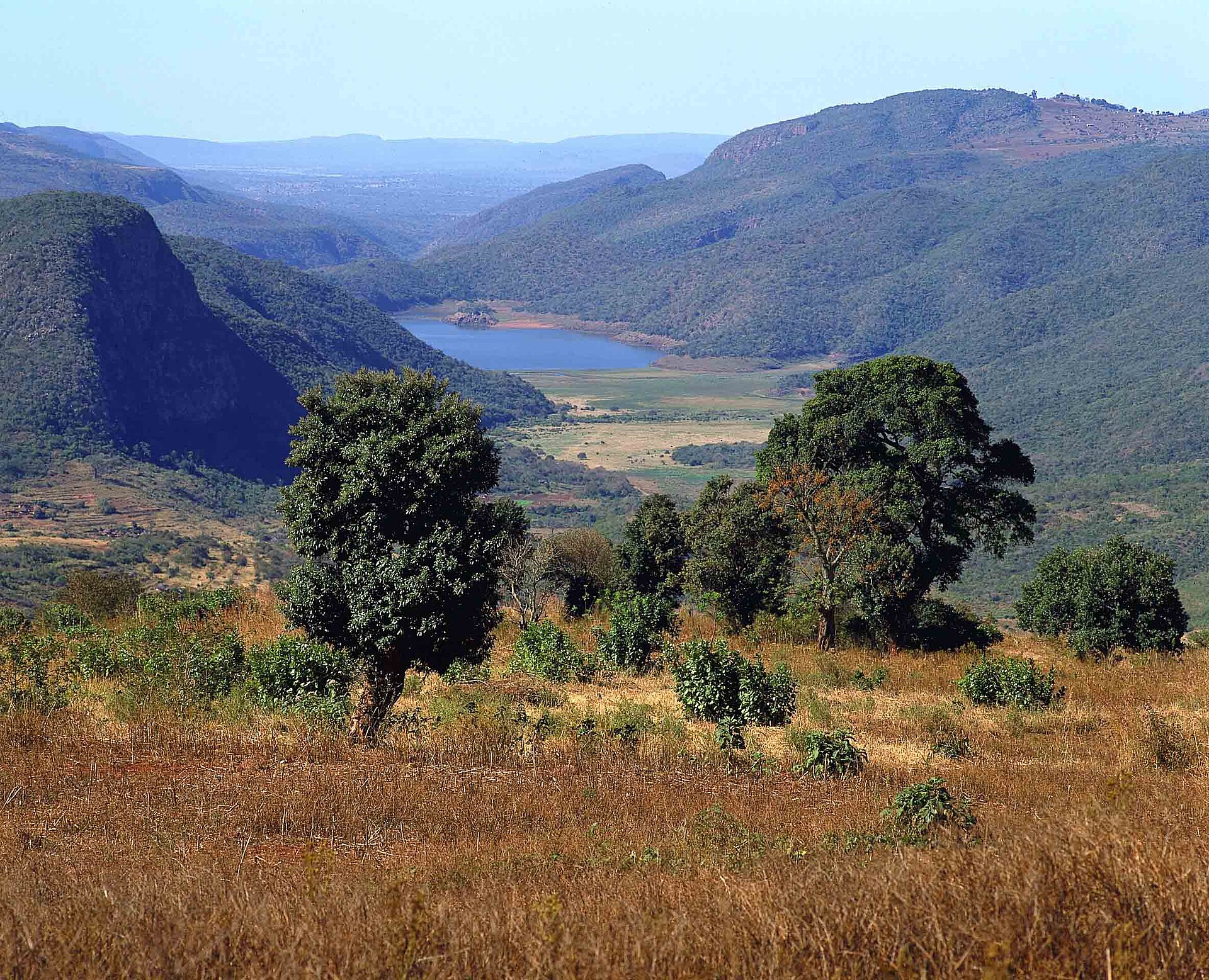
Management says FY27 “is expected to remain challenging, with continued pressure on consumer disposable income, geopolitical volatility affecting supply chains, and climate-related events placing further pressure on the value chain.” Absa, a South African bank, said in its AgriTrends report, its yearly farm-economy outlook, of 15 September 2026 that South Africa is bringing in a record maize crop, expected at around 17.4 million tonnes.
Absa expects food inflation to average just over 2% in 2026 and about 3.4% in 2027, compared with the 1.2% September reading. That is a forecast from the bank, not an official statistic.
Group operating income rose from R3.8bn (US$219m), the company said, and the operating margin widened from 11.1% a year earlier. Reported revenue was R34.2bn (US$1.97bn), against R34.4bn (US$1.98bn) a year earlier, a fall of 0.5%.
The board declared a final dividend of 1,299 cents a share, which with the 430-cent interim payout makes 1,729 cents (R17.29, about US$0.99) for the year. Medium-term guidance for the operating margin is “towards 15%”, and the long-term aim is to “maintain > 15%”.
Higher fuel prices from geopolitical events added “material inflationary pressure”, which management says it eased through logistics savings. National protest action in the second half of the year disrupted the general trade channel, meaning sales through wholesalers and independent shops, and led to “significant de-stocking”, or customers running down their inventories, in anticipation of looting.
The company says value created by its continuous improvement programme “exceeded expectations”. Management is confident the two-year R500 million (US$29m) savings guidance will be fully delivered in FY27.
The commentary gives no price-rise figure for FY27 and no estimate of what El Niño could cost the group. It also names no date for a further update on the risk.
Frequently Asked Questions
What did Tiger Brands say about El Niño?
It called El Niño a risk and said its FY27 buying will focus on securing inputs while keeping quality. It gave no estimate of any cost.
Is food getting more expensive in South Africa?
Official data put annual food inflation at 1.2% in September 2026. Absa expects it to average about 3.4% in 2027.
More: South Africa news in English, every day from The Rio Times.
Related Coverage
Tiger Brands company profile · South Africa’s food producers slump as Premier outperforms · South African miners brace for El Niño water risks
LatAm Markets: Live Signals → — real-time movers, turnover leaders and FX across Latin America.
Sources
Tiger Brands results commentary for the year ended 30 September 2026 (signed 24 November, released 26 November 2026), tigerbrands-ir-digital.com; JSE closing prices for Tiger Brands, 25 and 26 November 2026; Absa AgriTrends report, 15 September 2026; Statistics South Africa food inflation for September 2026, as cited by Tiger Brands.
This article was produced by The Rio Times’ automated AI newsroom. Editorial responsibility: Matthias Camenzind, Publisher and Editor-in-Chief. The Rio Times also runs Ask Rio Times, which answers from 100,000+ of our own articles, the daily Latin America Power Map, and prediction-market odds on elections and markets.. How we use AI · Report an error