South African Mines Brace for a Record El Niño That Could Cut Off Their Water
South Africa · MINING
Key Facts
- —What happened The South African Weather Service said on 1 September 2026 that a very strong El Niño is likely to bring below-normal rainfall and above-normal temperatures across most of South Africa in spring and summer 2026/27.
- —How big United Nations humanitarian reporting said in August 2026 that El Niño could persist from July 2026 to March 2027 with greater than 90 percent likelihood of very strong intensity.
- —The catch The South African Weather Service said the event is very likely to pass 3 degrees Celsius, against the 2 degree mark that defines a very strong event and warned of heatwaves, water scarcity and other high-impact weather risks.
- —Who it hits Mining operations face reduced water availability, processing interruptions and stronger pressure on electricity and logistics if drought hits water-dependent supply chains.
- —The numbers The Department of Water and Sanitation said national dam levels were 94.8 percent of full supply capacity at end-February 2026, but Western Cape and Eastern Cape drought remained severe in many settlements.
- —What comes next The South African Weather Service said 2027 could become the warmest year ever recorded if the El Niño event persists.
South African miners are preparing for a super El Niño that could swing operations from drought to deluge, with below-normal rainfall and heatwaves forecast for the 2026/27 spring and summer season.
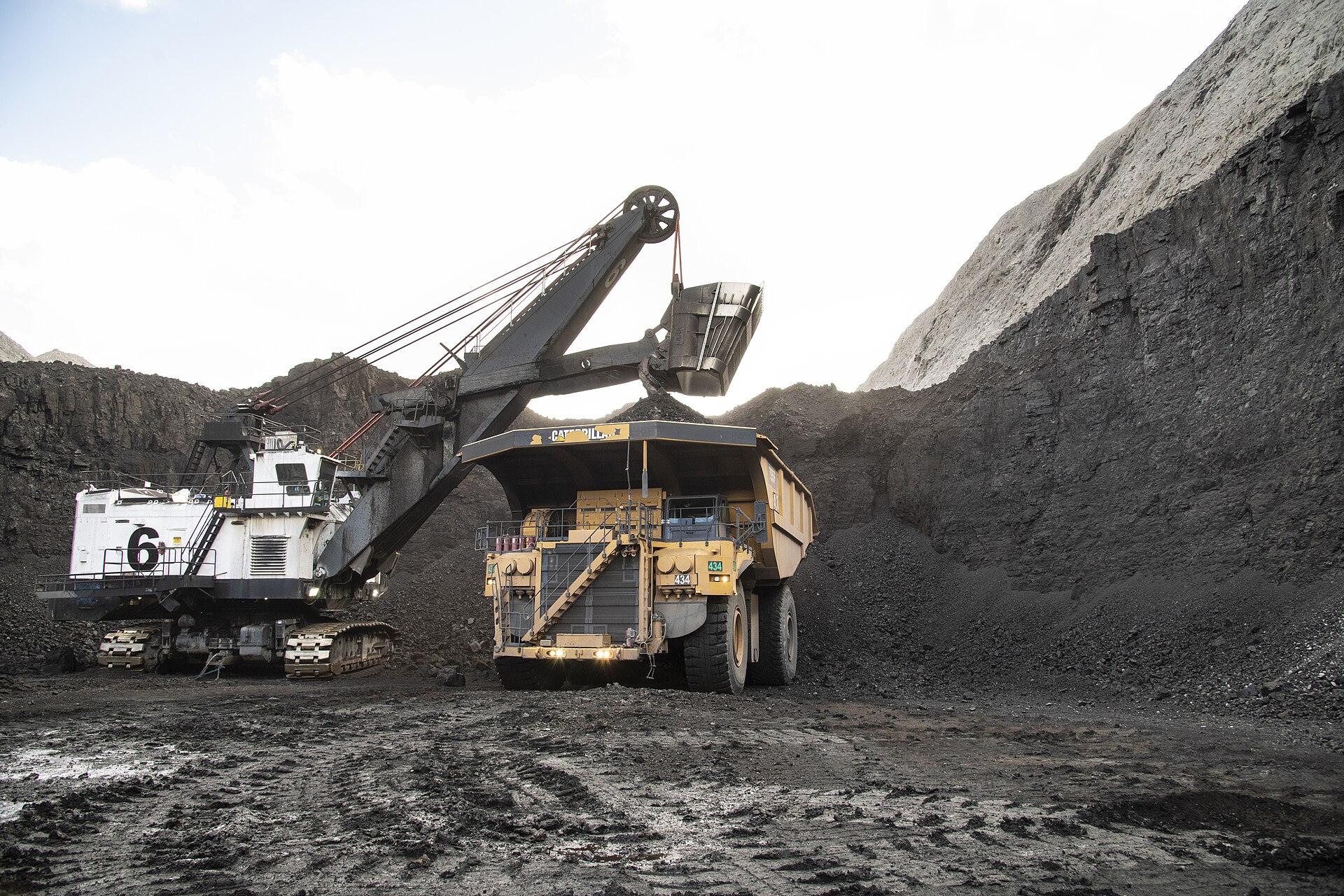
South Africa’s mining industry is bracing for a very strong El Niño event that threatens water scarcity, processing interruptions and heavier pressure on electricity and logistics. The South African Weather Service said on 1 September 2026 that below-normal rainfall and above-normal temperatures are likely across most of the country in spring and summer 2026/27.
A super El Niño takes shape over Southern Africa
The South African Weather Service, known as SAWS, has warned that the developing El Niño is very likely to pass 3 degrees Celsius, against the 2 degree mark that defines a very strong event. That would place it among the strongest events on record, with heatwaves and water scarcity among the high-impact risks.
ReliefWeb’s August 2026 alert said El Niño could persist from July 2026 to March 2027 with greater than 90 percent likelihood of very strong intensity. SAWS linked the expected event with global warming and said 2027 could become the warmest year ever recorded if conditions persist.
A July 2026 warning from the Joint Research Centre flagged El Niño-linked dry spells across northern South Africa for 2026/27. The pattern is a familiar one for the region, but the intensity of this event has drawn comparisons with previous super El Niño episodes.
Water and power: the mining sector’s twin pressures
The Department of Water and Sanitation said national dam levels were 94.8 percent of full supply capacity at end-February 2026. That headline figure masks sharp regional differences, with Western Cape and Eastern Cape drought remaining severe in many settlements.
For mining companies, the main risks are reduced water availability and processing interruptions. Drought also strengthens pressure on electricity and logistics if hydropower- and water-dependent supply chains come under strain.
South Africa’s mines already operate in a constrained power environment. A dry, hot season would add another layer of operational risk at a time when global commodity markets are watching Southern African supply closely.
From drought to deluge: a volatile risk profile
The phrase “drought to deluge” captures the challenge facing mine operators. While the immediate forecast points to dry conditions, El Niño events in Southern Africa have historically produced both extremes, with flood crises following drought in some areas.
African Business reported that El Niño has already displaced 1.2 million people in flood crises and is amplifying food insecurity across the continent. That humanitarian pressure sits alongside the commercial risks for extractive industries.
For investors and professionals tracking the region, the question is whether South Africa can protect mines, food output and exports while commodity rivals and donors compete over climate resilience, infrastructure finance and energy security. The answer will shape operational planning well into 2027.
The great-power and BRICS angle
Southern Africa’s mineral wealth sits at the centre of the global scramble for critical minerals, and climate shocks add a new layer to that contest. Drought and flood risk affect not only production volumes but also the infrastructure that moves ore to port.
South Africa’s position within the BRICS grouping means its mining resilience has wider geopolitical resonance. Rivals and partners alike are watching how the country manages water, power and logistics under extreme weather stress.
The broader pattern is covered in our pillar on Africa: The New Scramble, which tracks how climate, capital and great-power competition are reshaping the continent’s extractive industries.
What miners are watching next
The immediate focus is on the spring and summer rainfall season, when the El Niño signal is expected to strengthen. SAWS has already flagged heatwaves and water scarcity as high-impact weather risks for the period.
Mine operators will be monitoring dam levels in the Integrated Vaal River System, which supplies the mining heartland, where drought conditions were already severe at the start of 2026. Any further decline would tighten water allocations for industrial users.
The longer-term question is whether this super El Niño pushes 2027 to record global temperatures, as SAWS has suggested is possible. That would raise the stakes for every climate-exposed sector, from mining to agriculture to urban water supply.
Regional read-through: Southern Africa on alert
The El Niño signal extends well beyond South Africa’s borders. Dry spells across northern South Africa and neighbouring areas could affect regional supply chains that depend on shared water and power infrastructure.
Flood crises elsewhere on the continent have already shown how quickly El Niño can shift from drought to deluge. For Southern African miners, the lesson is that resilience planning must cover both extremes.
With commodity prices sensitive to supply disruptions, the 2026/27 season will test whether South Africa’s mining sector can weather a super El Niño without significant output losses. The answer will matter for investors, workers and the wider economy.
Frequently Asked Questions
What did the South African Weather Service say about El Niño in September 2026?
The South African Weather Service said on 1 September 2026 that a very strong El Niño is likely to bring below-normal rainfall and above-normal temperatures across most of South Africa in spring and summer 2026/27.
How long could the current El Niño event last?
United Nations humanitarian reporting said in August 2026 that El Niño could persist from July 2026 to March 2027 with greater than 90 percent likelihood of very strong intensity.
What are the main risks for South African miners from this El Niño?
The main risks are reduced water availability, processing interruptions, and stronger pressure on electricity and logistics if drought hits water-dependent supply chains.
Connected Coverage
Sources
This article was produced by The Rio Times’ automated newsroom system. How we use AI · Report an error
LatAm Markets: Live Signals → — real-time movers, turnover leaders and FX across Latin America.
Read More from The Rio Times