South Africa’s Food Producers Slump as Premier Group Outperforms
South Africa · FOOD INDUSTRY
Key Facts
- —What happened By late August, Premier Group shares had gained in 2026 while Tiger Brands, AVI and RCL Foods fell by double digits.
- —Why it matters The split shows how differently South Africa’s listed food makers are faring in the same market.
- —The catch Premier will not reopen its Tulbagh fruit cannery this season, putting 424 jobs at risk.
- —Who is affected Between 200 and 220 fruit growers supply the cannery, and about 90% of its output is exported.
- —The probe The Competition Commission is checking whether the job cuts breach conditions of Premier’s takeover of RFG.
- —What comes next Premier expects much higher earnings for the six months to 30 September, helped by the RFG deal.
Premier Group’s share price had gained this year by late August, while Tiger Brands, AVI and RCL Foods had all posted double-digit declines. The divergence has made South Africa’s listed food producers a study in how quickly fortunes can split within one sector.
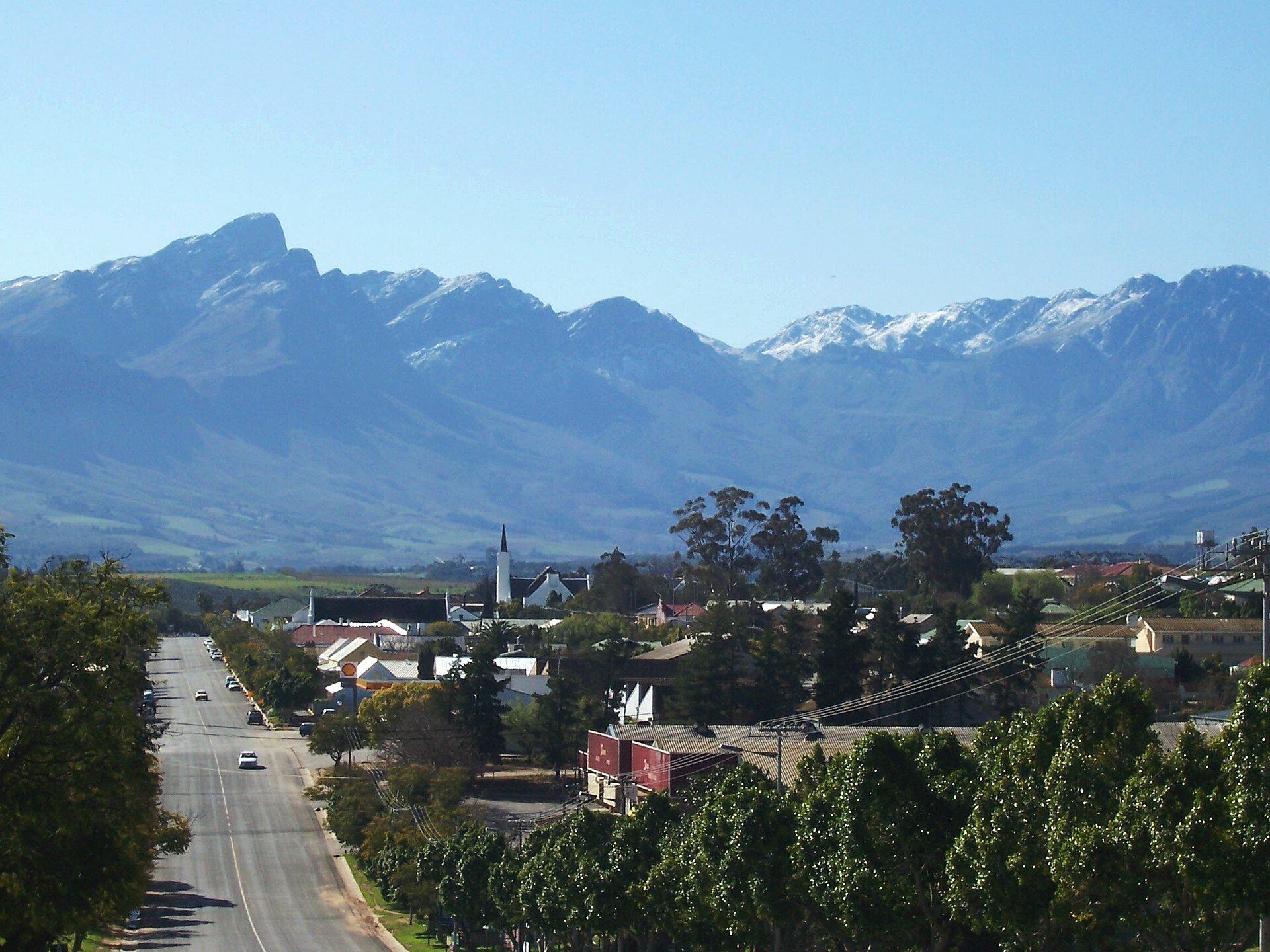
Premier’s board decided in July 2026 not to reopen the Fruit Processing Western Cape cannery at Tulbagh for the coming harvest. The company has begun a section 189 consultation with 424 employees, and regulators are examining the retrenchments.
A Sector Under Strain
South Africa’s listed food producers have had a difficult 2026. Tiger Brands, AVI and RCL Foods have all recorded double-digit share-price declines this year, the Sunday Times Business Times reported on 22 August 2026.
Tiger Brands is South Africa’s largest listed food company and owns brands such as Koo and Jungle Oats. AVI makes household names including I&J fish products and Bakers biscuits, while RCL Foods makes groceries, bread and sugar.
The Sunday Times report said the three companies continued to generate strong cash flows and pay attractive dividends despite the share-price falls. That combination has puzzled investors trying to read the sector’s direction.
Premier Group’s Outperformance
Premier Group is a South African consumer goods company that listed on the Johannesburg Stock Exchange in 2023. It makes bread, maize meal, sugar confectionery and other staples, and bought RFG Holdings to expand into canned fruit and vegetables.
Its share price had risen this year while its larger rivals fell, the Sunday Times reported on 22 August. Its trading statement points to volume growth and better execution as drivers.
In a trading statement for the six months ending 30 September 2026, Premier forecast a significant increase in earnings and revenue. It attributed much of the uplift to the RFG acquisition, alongside volume growth and better efficiencies.
The Tulbagh Cannery Decision
Premier’s board decided in July 2026 not to reopen the Fruit Processing Western Cape facility for the upcoming fruit-harvest season. The decision is subject to legal and regulatory processes, and the company says it is cooperating fully with authorities.
The proposed closure would affect 246 permanent employees and 178 fixed-term employees, a total of 424 workers. Premier has begun a consultation process under section 189 of the Labour Relations Act, which governs retrenchments in South Africa.
Premier said the decision was driven by structural challenges in the global fruit-canning industry and is independent of the RFG transaction. It cited global oversupply, higher US tariffs, uncertainty around AGOA trade preferences, exchange-rate pressures and industry consolidation.
Competition Commission Investigation
The Competition Commission is investigating whether the proposed retrenchments breach conditions attached to Premier’s acquisition of RFG Holdings. The South African Clothing and Textile Workers’ Union, known as Sactwu, referred the matter to the Commission.
When the Competition Tribunal approved the RFG deal in March 2026, it barred merger-related retrenchments for three years, local media reported. Under the Competition Act, breaches can draw fines of up to 10% of a firm’s South African turnover and exports.
Competition Commission spokesperson Siya Makunga confirmed the investigation to Business Times. Premier says it is providing the information the Commission has requested.
Growers and the Export Chain
About 90% of the Tulbagh cannery’s canned fruit output is exported, according to union statements reported by Joburg ETC. That export dependence means the closure decision reaches well beyond the factory floor.
Industry reporting estimated that between 200 and 220 growers supply the cannery and could be affected. FreshPlaza reported the figure on 18 September 2026, citing the risk to the fruit export chain.
COSATU and other signatories have urged Premier to suspend retrenchment consultations for 12 to 24 months while alternatives to closure are investigated. Premier has said the section 189 process is still under way and that it continues to engage with relevant parties.
What to Watch Next
The immediate question is whether Premier can sustain its outperformance while its peers struggle. Much depends on whether consumer demand recovers and input costs ease.
The Competition Commission’s investigation is the other key variable. Its findings could shape how Premier manages the Tulbagh site and how future mergers in South African food manufacturing are structured.
For investors, the signal to watch is whether Tiger Brands, AVI and RCL Foods can halt their declines. Their strong cash flows and dividends give them room to wait for a recovery.
Frequently Asked Questions
Which South African food producer has outperformed its peers in 2026?
Premier Group’s share price gained year-to-date in 2026, while Tiger Brands, AVI and RCL Foods all posted double-digit declines. The Sunday Times Business Times reported the divergence on 22 August 2026.
Why is Premier Group not reopening its Tulbagh cannery?
Premier’s board decided in July 2026 not to reopen the Fruit Processing Western Cape facility for the coming harvest. The company cited global fruit-canning oversupply, higher US tariffs, AGOA uncertainty, exchange-rate pressures and industry consolidation.
How many workers are affected by the Tulbagh closure?
Premier has begun a section 189 consultation covering 424 employees, made up of 246 permanent and 178 fixed-term workers. The process is required under South Africa’s Labour Relations Act.
Why is the Competition Commission investigating Premier?
Sactwu referred the proposed retrenchments to the Commission, which is checking whether they breach merger conditions from Premier’s RFG Holdings acquisition. Those conditions included a three-year moratorium on merger-related retrenchments.
What could happen if the Commission finds a breach?
Under the Competition Act, breaches of merger conditions can draw fines of up to 10% of a firm’s South African turnover and exports. Premier says it is cooperating fully with the investigation.
Connected Coverage
Sources
- Sunday Times Business Times
- Sunday Times Business Times
- Moneyweb
- Moneyweb
- Joburg ETC
- FreshPlaza
- Freight News
- AllAfrica
This article was produced by The Rio Times’ automated newsroom system. How we use AI · Report an error
LatAm Markets: Live Signals → — real-time movers, turnover leaders and FX across Latin America.
Read More from The Rio Times