The 5 amazing road trips in Argentina that you should not miss
RIO DE JANEIRO, BRAZIL – A road trip bundles the best of any trip: getting to know undiscovered places on four wheels and the freedom to lose yourself in magical corners. There’s nothing better than getting in the car, putting on some music, and getting swept away by luxurious routes and landscapes.
It’s impossible to talk about road trips in Argentina without mentioning the legendary Ruta 40, a 5200-kilometer route that crosses the country from north to south and is the greatest witness to the variety of landscapes the country has to offer. Still, outside this route, other options include water tables, waterfalls, deserts, vineyards, national parks, and the sea.
Read also: Check out our coverage on Argentina
Here are the best road trips on Argentine soil for the summer of 2022.
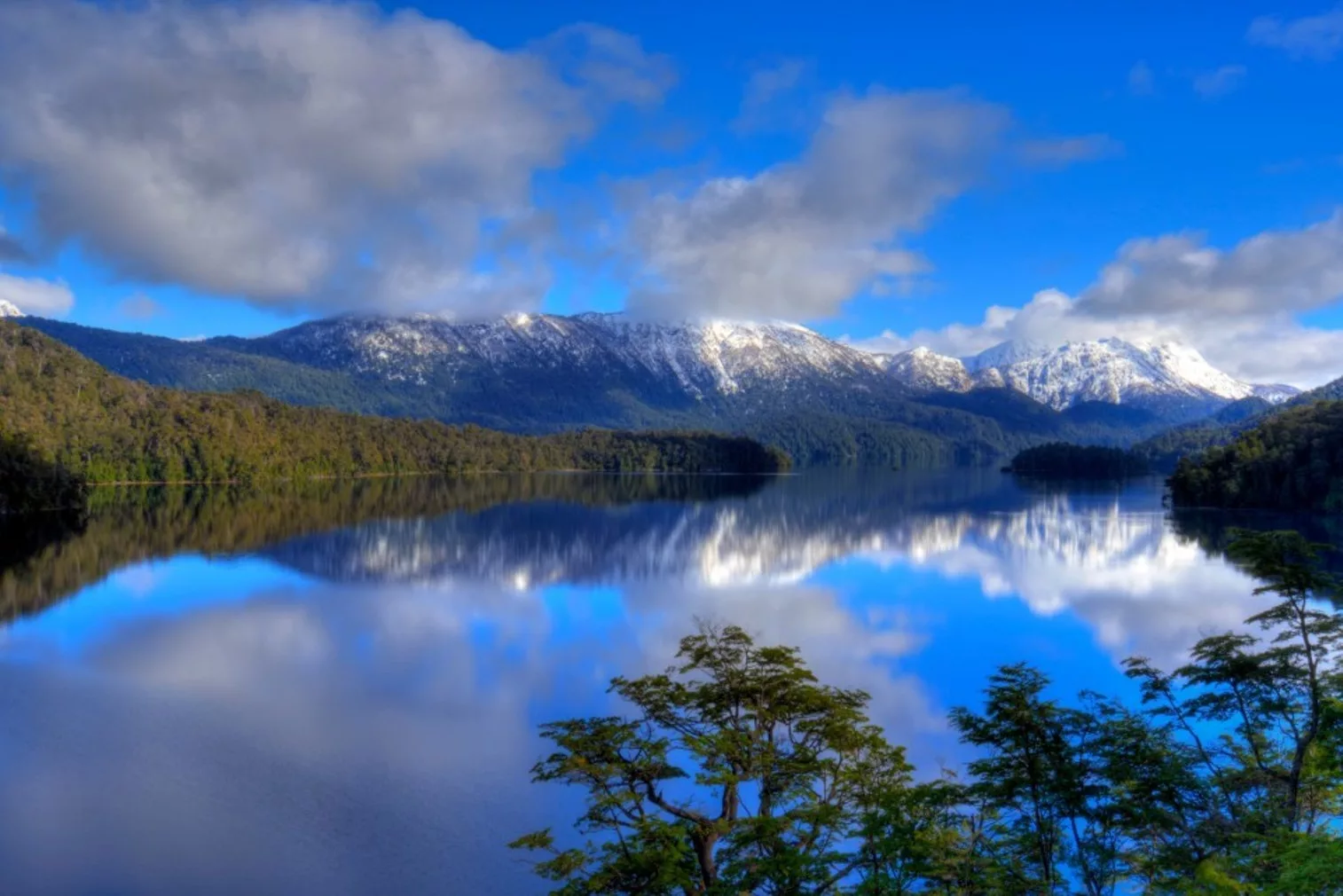
A 110-kilometer journey through forests, Patagonian lakes, and snow-capped peaks, passing typical villages and towns in southern Argentina, from San Martín de los Andes to Villa la Angostura. This iconic road is a mecca for backpackers, families, groups of friends, couples, and anyone who wants to get to know the heart of Argentine Patagonia.
Route 40 is colored green, light blue, and white on this stretch, offering a unique experience that crosses two national parks: the Nahuel Huapi and the Lanín. The seven famous lakes that give the route its name are Lácar Lake, Machónico Lake, Villarino Lake, Falconer Lake, Escondido Lake, Espejo Lake, and Correntoso Lake. To complete the adventure in the region, you must visit Villa La Angostura, Bariloche, San Martín de los Andes and the incredible Villa Traful.
When to go? Ideally, from December to March, the perfect months to enjoy the summer heat.
How many days? For Patagonia, you should allow at least 15 days to admire the wonders of the country at your leisure.
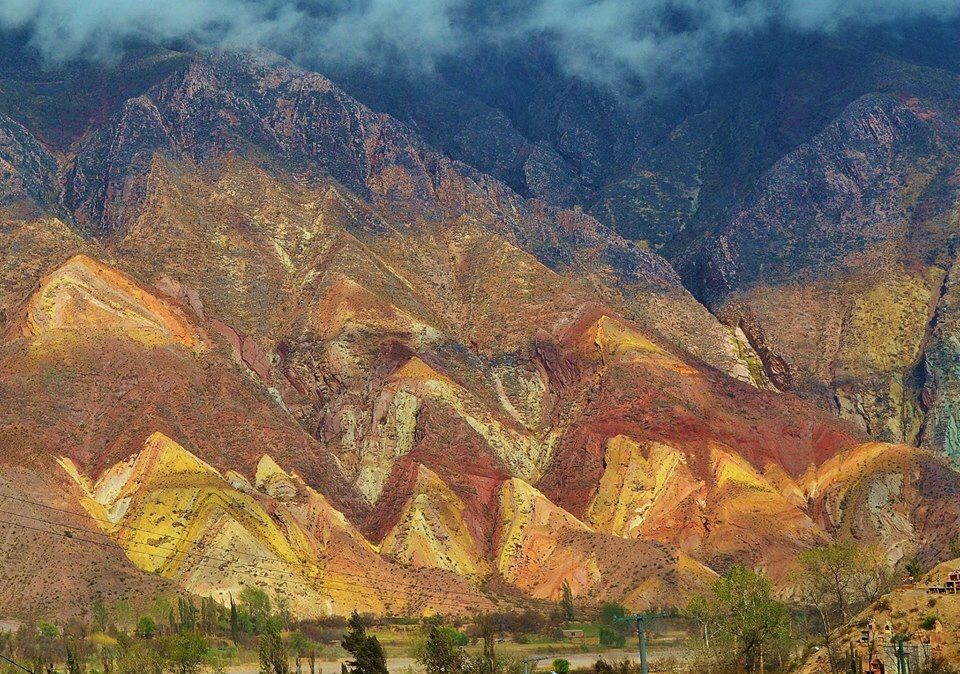
This is another road trip along the mythical Route 40 with vineyards, mountains, salt flats, valleys, and gastronomy. The provinces that make up the route are Tucumán, Salta, and Jujuy.
From San Miguel de Tucumán, the city that witnessed Argentina’s Declaration of Independence, the route goes up to the capital city of Salta. This route already reveals the region’s scenic potential. In Salta, you should try the delicious empanadas while walking through a town steeped in history. Three hours later, you will reach Jujuy, where the dirt road begins with the obligatory stops along Route 9.
In the town of Purmamarca (turn onto Ruta 52, which connects with Ruta 40) is the Cerro de los Siete Colores (Mountain of the Seven Colors) and a center with typical local handicrafts. For 66 km, the Salinas Grandes (Salt Flats) offers white postcards with light blue sparkles, a tour that appeals to all the senses. On the way back to Route 9, the town of Maimará provides another splash of color with its Paleta del Pintor, and in Tilcara, you can take a tour of the picturesque town and visit the Pucará, a fortress overlooking the hills.
Still further north, you will reach Humahuaca, where one of the country’s most popular festivals takes place: the Carnival. This town is the starting point to get to know another jewel of Jujuy: the Serranía del Hornocal – also known as Cerro de los 14 Colores (Mountain of the 14 Colors). To complete this area of small towns, a visit to Iruya is essential to get to know the culture of the north and take more souvenir photos.
The road trip also includes, as if lacking anything else, a wine route. Salta shines with its star grape variety, torrontés. The places for wine tourism are Cafayate, San Carlos, Cachi, Molinos and La Viña.
When to go? The best time is autumn and spring (May, June, October, and November) because it is not as hot as summer.
How many days? Ten days to visit the main places, travel the wine route, and enjoy the landscapes at leisure.
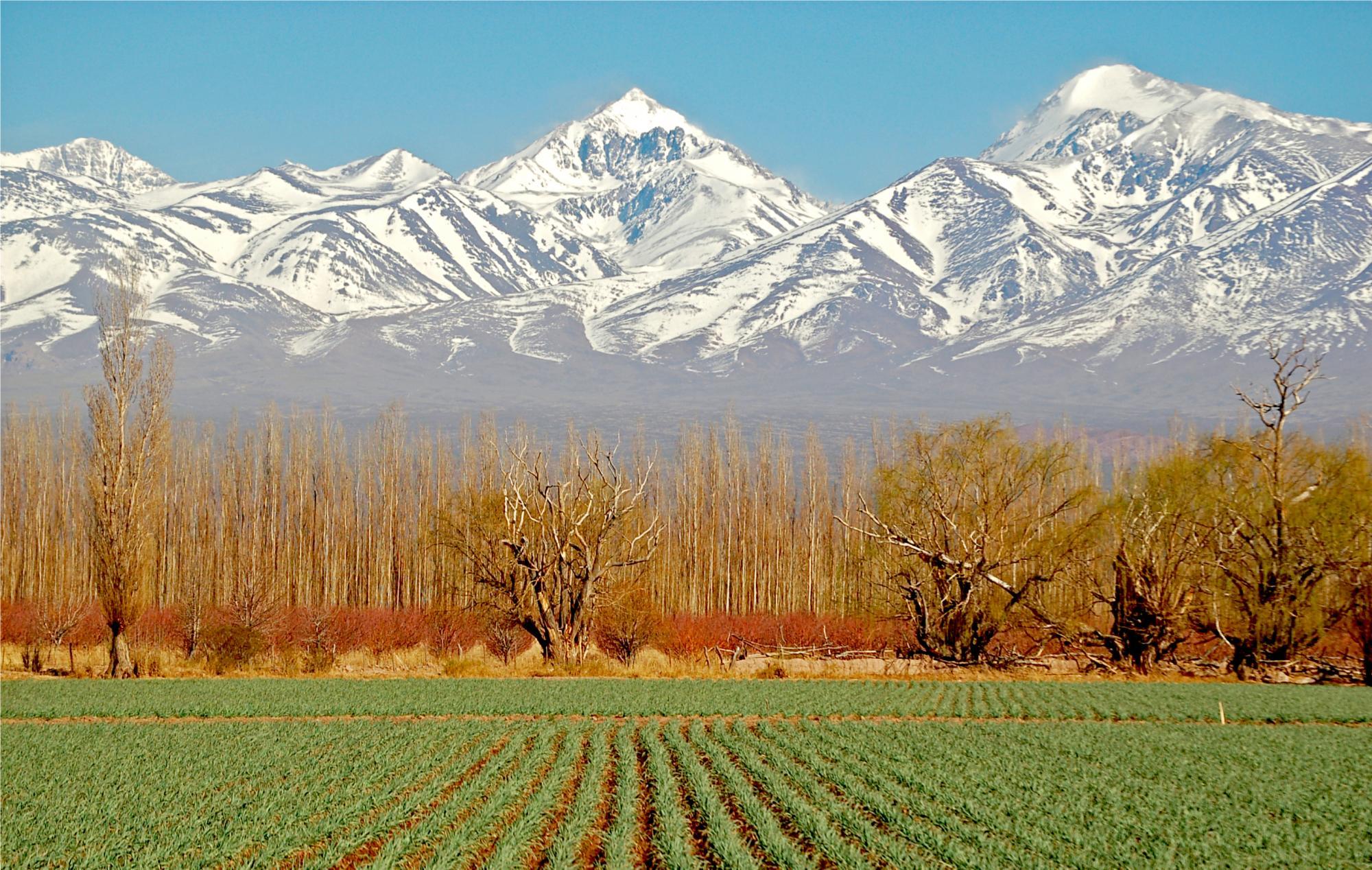
Once again, Route 40 is at the center of a province with a clear objective: to produce incredible grape varieties that appeal to international palates. According to Great Wine Capitals, the wine tour par excellence takes place in Mendoza, considered one of the ten great wine capitals. It is perfect for sightseeing by car, from the vineyards to the main attractions.
The capital offers nightlife and historical corners and is a good starting point for visiting the most important and oldest wineries in the city center (in the towns of Maipú, Guaymallén, Luján de Cuyo, Godoy Cruz, and Las Heras).
Route 7 opens two possibilities to the east and west: In the first case, it opens up more vineyards that occupy more area and therefore produce on a large scale in Rivadavia, San Martín, Junín, Santa Rosa, and La Pa. If you turn the GPS to the west, you will be dazzled by the famous hot springs of Termas de Cacheuta, Potrerillos for adventure tourism and Uspallata.
Route 40 leads to the Uco Valley, another wine and gastronomy pole of the region to continue the wine route. Here is the Zuccardi Valle de Uco winery, which has been named the best winery in the world for two consecutive years (2019 and 2020) by The World’s Best Vineyards organization. Salentein is ranked 23rd and is also located in Uco.
Further south, you reach the final wine region, which coincides with Mendoza’s icons like Atuel Canyon and the town of San Rafael.
When to go? There are two options: spring (September to December) and harvest time (between February and April).
How many days? Between 10 and 15 days for the entire route.
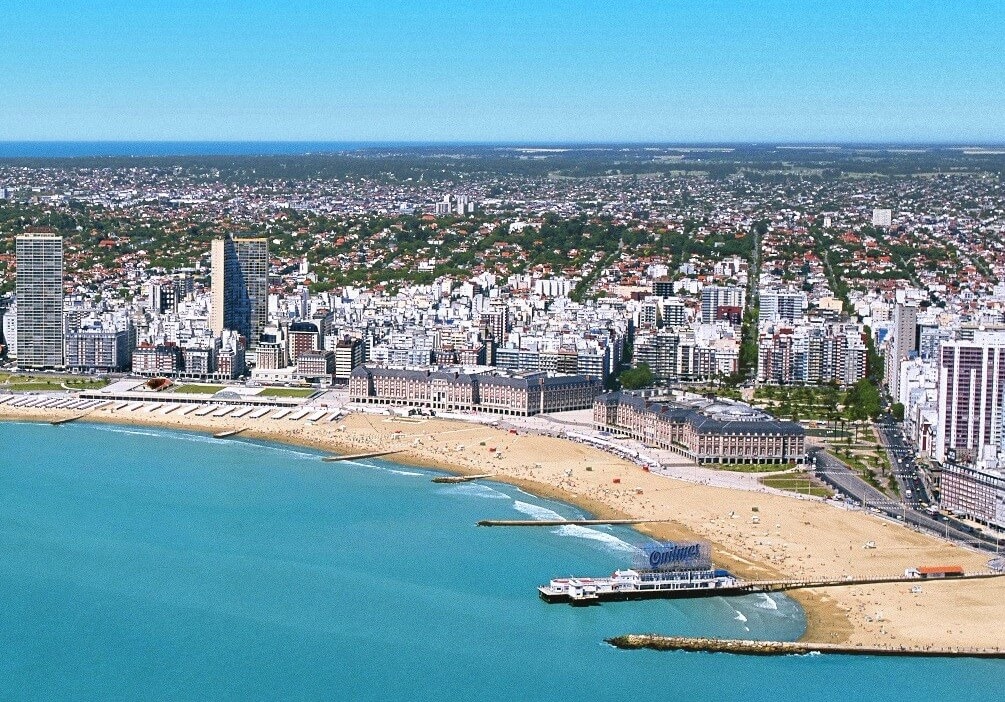
Argentina stands out for the diversity of its landscapes. So the sea was a must, especially if the technical stops are gastronomy, forests, dunes, cliffs, and super-wide beaches.
This route by car is the favorite of Argentines in the summer season. Thousands of travelers from different parts of the country take Route 2 to enjoy the waves of the Atlantic Ocean.
What are the coordinates of the road trip? From Buenos Aires, the first stop to enjoy the sea and the forest is Pinamar, a coastal town that hosts family and friends in spectacular inns. Just a few minutes away is the best-hidden forest in the province of Buenos Aires: Cariló. Untouched forests, the smell of eucalyptus, and dirt roads make this place look like a fairy tale.
On Route 11, after two hours, you will reach the famous Mar del Plata. Crowded in summer, quiet in winter, the charm remains regardless of the season. The drive to the city should not be missed: the coast on one side and the contrast of modern buildings on the other. Here you have to try the seafood cuisine, and if you plan a road trip with friends, the nightlife of Mar del Plata is an essential part of the Argentine territory.
The last stop is Necochea, where we pass magnificent beaches, including the wide sandy beach of Chapadmalal.
When to go? January and February is high season for Argentines. If you want to travel with fewer people, December and March are possible alternatives.
How many days? Between 7 and 10 days.
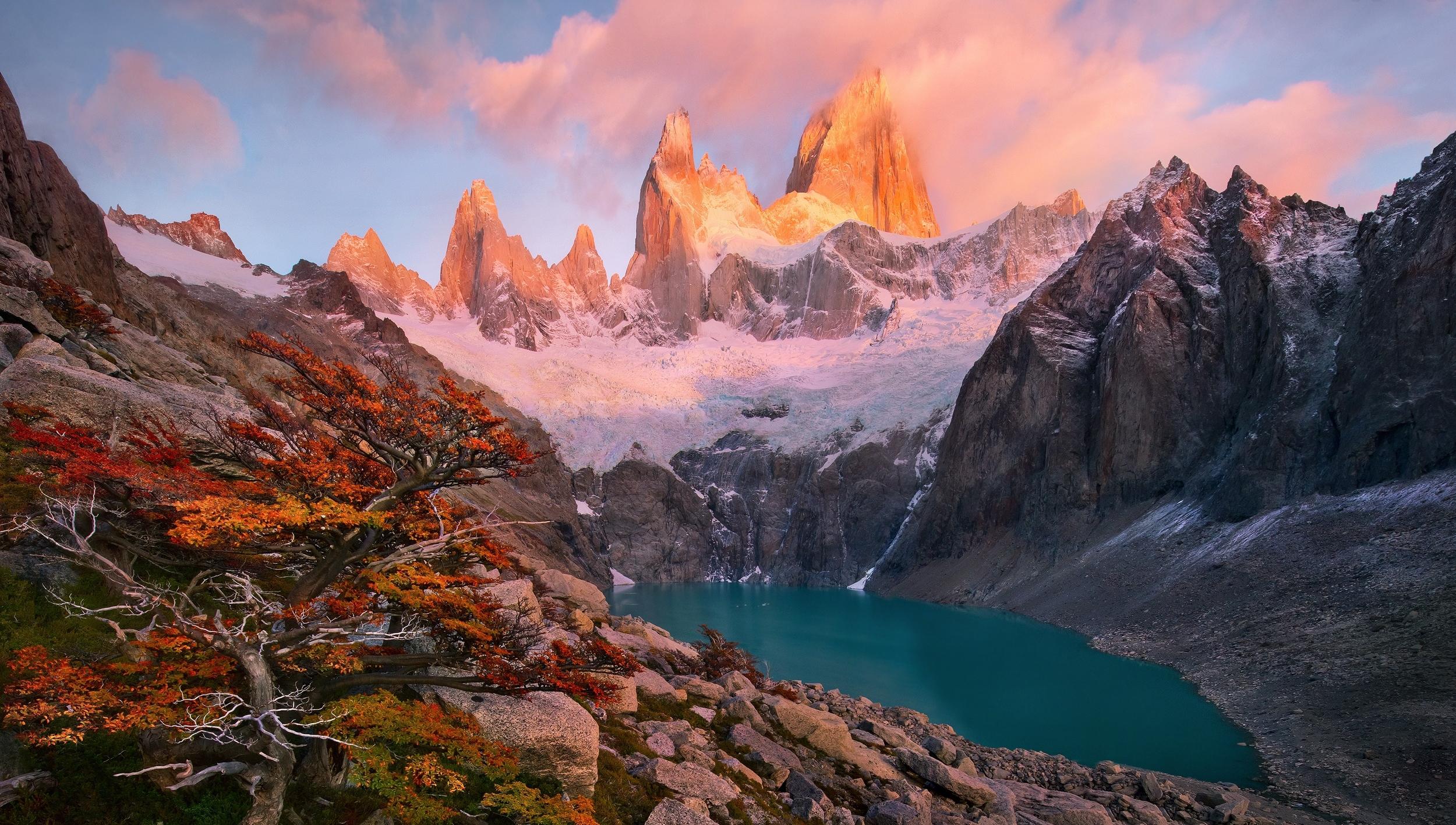
El Chaltén is the national trekking capital, with trails of varying difficulty that lead to natural wonders with lagoons, snow-capped peaks, and waterfalls. The hikes last from minutes to hours or even days, so be prepared to wear out the soles of your shoes. But besides the breathtaking hikes, exploring the city and its surroundings by car is the perfect complement.
The roads in southern Argentina are fascinating and take you where your feet can’t go. The most crucial landmark of El Chaltén? The imposing, 3359 meter high Fitz Roy. It can be seen from all sides and is the north for visitors. The unmissable trekking routes are Laguna de los Tres for the legendary postcard, Loma del Pliegue Tumbado, Laguna Torre, and Laguna Capri.
Three and a half hours from El Chaltén, along Ruta 40 and Lago Viedma and Lago Argentino, you reach El Calafate, the land of glaciers. The ice giants can be visited on water excursions, getting very close to the stellar masses. The distance from the city center to the star of the Perito Moreno glacier is 80 km. The road leads through steppe landscapes to the park entrance, where the local flora can be found in the form of forests. The most famous pedestrian bridge in the country offers the best panoramic view of the 250 km² that makes up the glacier.
When to go? The best time to go is from October to April.
How many days? Ten days.
More: Argentina news in English, every day from The Rio Times.
This article was produced by The Rio Times’ automated newsroom system. How we use AI · Report an error · Editorial responsibility: Matthias Camenzind, Editor-in-Chief