Tarcísio’s Challenge: Leading São Paulo Through U.S. Tariffs and Shaping Brazil’s Conservative Future
Governor Tarcísio de Freitas of São Paulo faces a major test as new US tariffs threaten Brazil’s economy. President Donald Trump’s decision to impose a 50% tariff on all Brazilian exports to the United States puts billions of dollars in trade at risk.
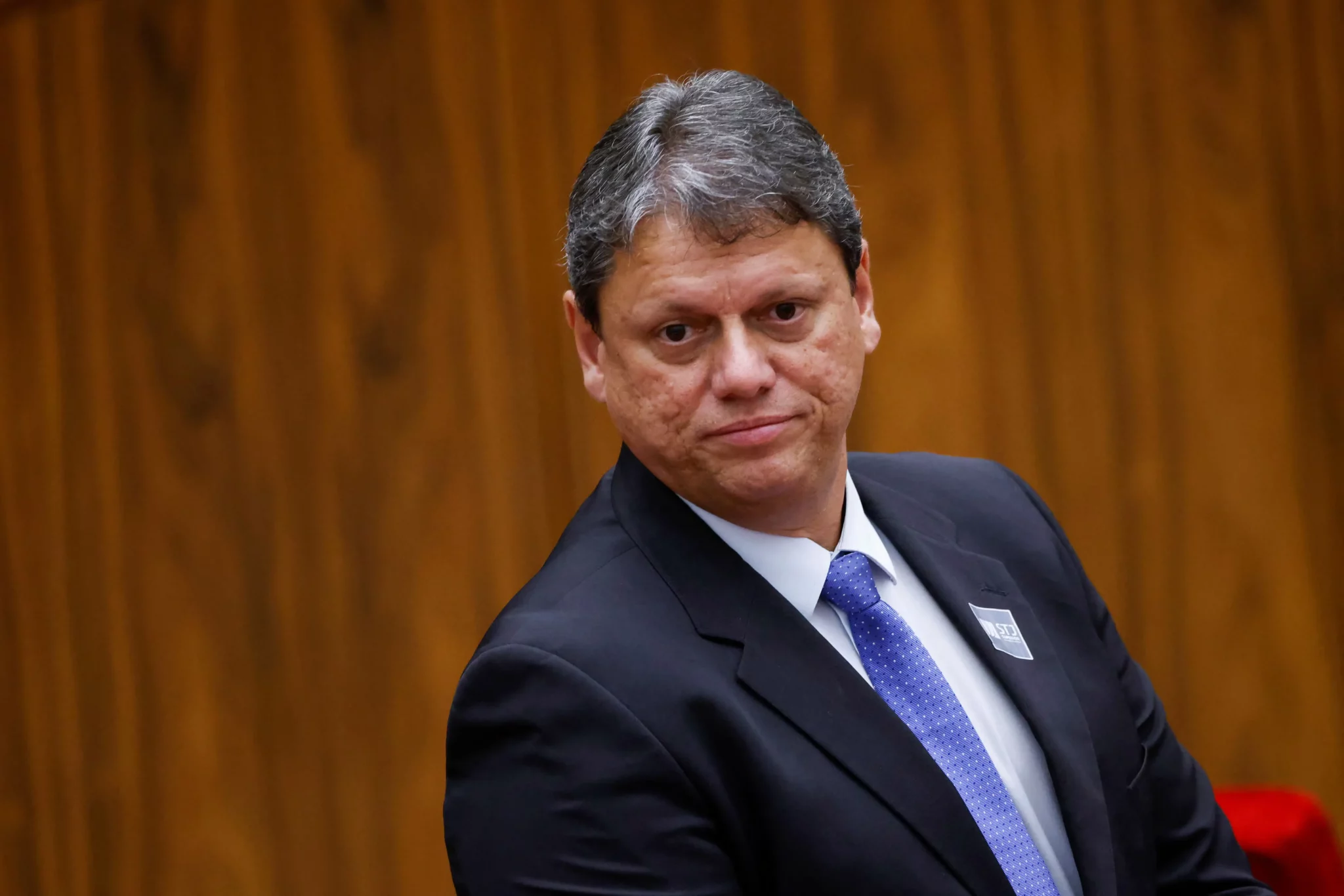
São Paulo, Brazil’s industrial heart, stands to lose the most, with key exports like beef, coffee, and aircraft now facing steep barriers. Tarcísio, seen as a leading figure on Brazil’s right, has responded by meeting with US diplomats in Brasília.
He argues for calm, data-driven talks to protect jobs and industry. After these talks, he met privately with former President Jair Bolsonaro, whose support remains crucial for any right-wing candidate.
Tarcísio’s actions show how he tries to satisfy business leaders, who demand action, and Bolsonaro loyalists, who want to see a strong stance against foreign pressure.
Business groups warn that the tariffs could cut company revenues by up to 5% and threaten thousands of jobs. The Brazilian government, led by President Lula da Silva, has promised to defend national interests and consider reciprocal measures.
Officials say Brazil’s economy can absorb the shock, but exporters worry about losing ground to competitors in other markets. Politics complicate the picture. With Bolsonaro barred from running until 2030, the right lacks a clear leader.
Tarcísio Emerges as Key Figure in Brazil’s Right
Tarcísio’s high approval ratings and pragmatic style make him a top contender, but he faces resistance from parts of Bolsonaro’s base. Other right-wing figures, including Bolsonaro’s family, also seek to shape the movement’s future.
Recent polls show Tarcísio and Michelle Bolsonaro as the main right-wing options for the 2026 presidential race, though both trail President Lula in early surveys.
The right’s split could make it harder to challenge Lula, especially if the economic fallout from the tariffs grows. Tarcísio stands at a crossroads. He must balance the demands of business and the expectations of Bolsonaro supporters.
At the same time, he must navigate the realities of a changing global economy. His choices in the coming months will help decide not just his own future, but the direction of Brazil’s right and its place in the world economy.
More: Brazil news in English, every day from The Rio Times.
This article was drafted with automated assistance and reviewed before publication. How we use AI · Report an error · Editorial responsibility: Matthias Camenzind, Editor-in-Chief