Tarcísio Champions São Paulo’s Trade Interests at US Embassy, Defying Political Pressure
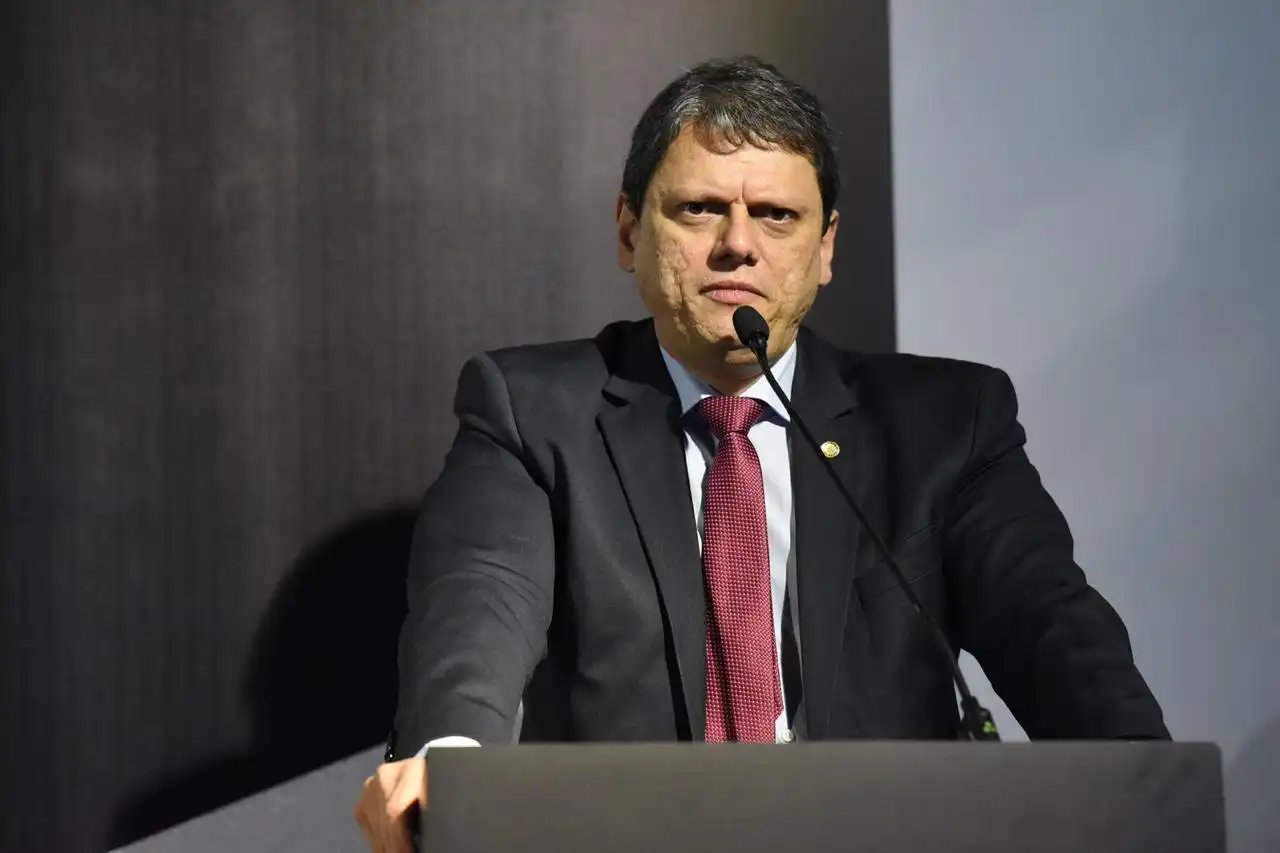
São Paulo Governor Tarcísio de Freitas has come under more fire from right-wing political allies than from left-wing critics after holding talks with the US Embassy in Brazil—just as the US announced sharp new tariffs on key Brazilian exports.
Social media data from July 2025 show 62% of critical comments about Tarcísio’s US meeting came from the right, including supporters of ex-president Jair Bolsonaro, while only 38% came from the left.
The online uproar centered on claims from his own camp that he betrayed hardline positions by choosing direct talks instead of confrontation.
Even with this backlash, 38% of posts supported Tarcísio’s effort to negotiate, especially from business-minded centrists, and 16% of comments remained neutral.
The stakes are high for São Paulo’s economy. The US buys more than $40 billion in Brazilian goods each year, making it Brazil’s second-biggest export market.
Sectors like steel, oil, agriculture, and aviation face immediate risk—exports of crude oil alone reached $6 billion last year, while steel and iron sales hit almost $5 billion.
Economists say the new tariffs could shrink Brazil’s GDP by as much as 0.8%, cutting up to $17 billion from export revenues. Both the Brazilian government and business groups warn that the move threatens thousands of jobs and billions in trade with America.
While Tarcísio seeks talks to protect jobs and investment in his state, rivals from the hard right—including Eduardo Bolsonaro—insist that any negotiation weakens their political stance.
They argue that the priority should be defending former leader Jair Bolsonaro and contesting the actions of the Supreme Court.
Business leaders echo Tarcísio’s warning: a rupture with the US would hurt both countries. They urge both governments to find solutions that protect industries and consumers on both sides.
With the 2026 election coming closer, this crisis highlights a split among Brazilian conservatives. It also shows how international trade disputes can quickly reshape political alliances at home.
More: Brazil news in English, every day from The Rio Times.
This article was produced by The Rio Times’ automated newsroom system. How we use AI · Report an error · Editorial responsibility: Matthias Camenzind, Editor-in-Chief
Living in or visiting São Paulo? See this month's events and our São Paulo city guide with rents, safety and upcoming concerts.