
SOUTH AFRICA · HEALTH PROCUREMENT
Key Facts
- —The country South Africa is Africa’s most industrialised economy and runs one of the world’s largest HIV treatment programmes, largely through the national health department.
- —What happened A Pretoria high court set aside the two main contracts of the government’s HIV pill tender, ruling that Cipla was unfairly shut out.
- —The value The two contracts are worth R12.63bn (about US$766 million at 16.5 rand to the dollar), part of a R15.5bn (about US$940 million) tender that took effect on 1 December 2025.
- —The pill The contracts cover the daily three-in-one tablet of tenofovir, lamivudine and dolutegravir, known as TLD, which most South Africans on HIV treatment take.
- —The order Acting judge Graham Girdwood gave the department 120 days to reconsider the bids, and kept current suppliers delivering for 90 days after the new awards.
- —US link Viatris, a US drugmaker listed on the Nasdaq, won a share of both contracts and was ordered excluded from the redo because its factory licence had lapsed when bids closed.
- —Still open Whether the health department will appeal, and whether it can finish a new award within the 120 days the court set.
A high court in Pretoria has voided South Africa’s HIV pill tender, setting aside two contracts worth R12.63bn (about US$766 million). GroundUp and Business Day reported on 22 and 23 October that the ruling, handed down on Tuesday 20 October 2026, found Cipla was unfairly excluded.
For US readers the ruling matters because Viatris, a drugmaker listed on the Nasdaq in the United States, was ordered out of the rerun. It also shows how a court can rewrite a multibillion-rand state contract in one of the world’s biggest HIV treatment programmes.
What the Pretoria Court Decided
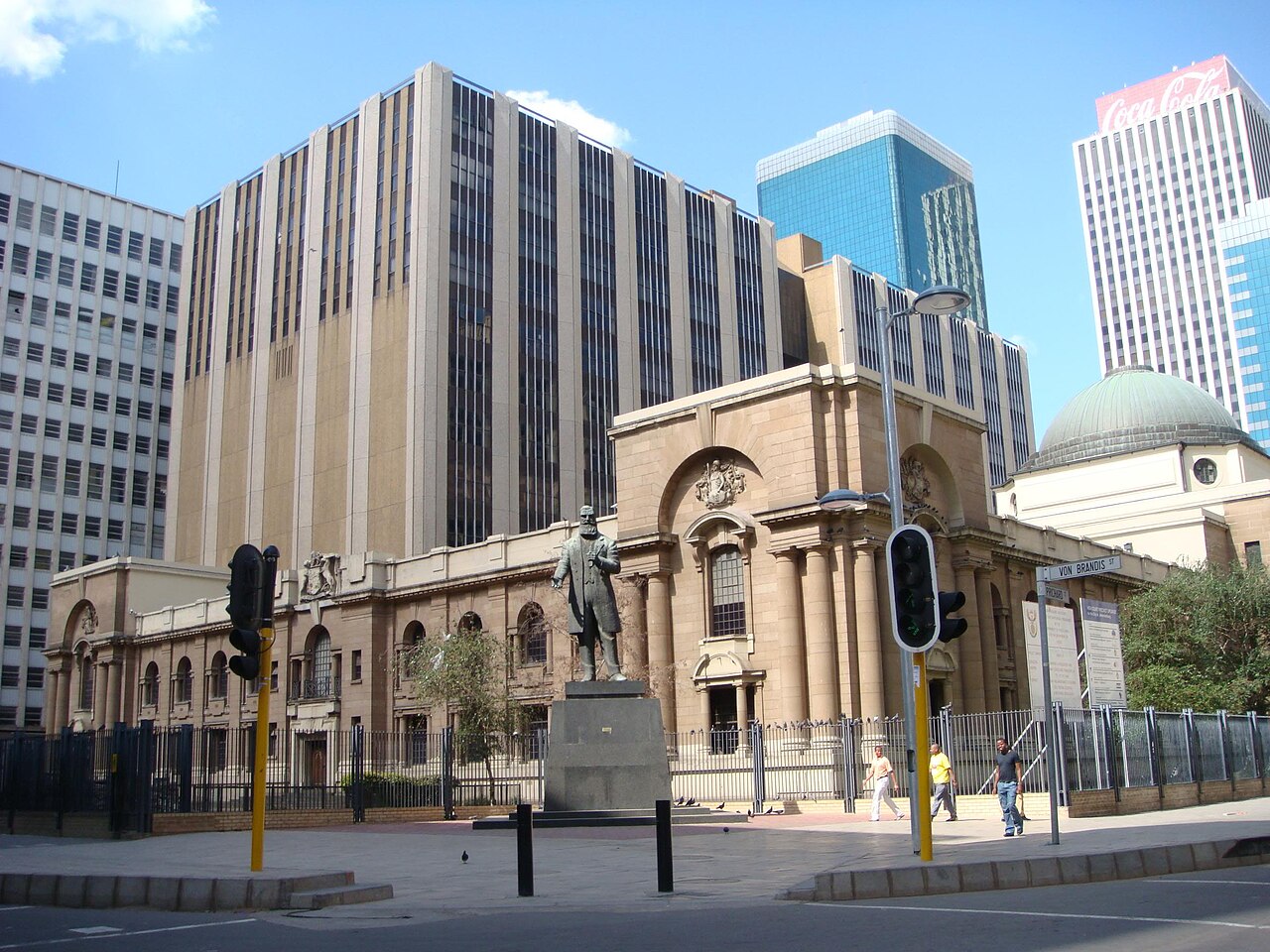
The Gauteng Division of the High Court in Pretoria declared the main contracts of the national health department’s HIV pill tender unlawful and unconstitutional. Acting judge Graham Girdwood set aside the monthly and three-monthly pack contracts, which are worth R7.25bn (about US$440 million) and R5.38bn (about US$326 million).
He gave the department 120 days to reconsider the eligible bids and to redo how the contracts are split between suppliers. The order also says the setting-aside takes effect only 90 days after the new awards are made, so that pills keep reaching clinics.
How the Tender Was Split
The HIV pill tender is the state’s purchase of the tenofovir, lamivudine and dolutegravir pill, a first-choice regimen in South Africa’s treatment guidelines. The whole tender took effect on 1 December 2025 and is worth R15.5bn (about US$940 million), according to Business Day and GroundUp.
Aspen, Emcure, Innovata, Barrs, MacLeods, Viatris and Aurobindo each won a share of both main contracts, with Pharma Dynamics in the monthly one. Cipla Medpro, a local manufacturer that had supplied the state before, won only three smaller awards worth R215 million (about US$13 million).
Why Cipla Said It Was Shut Out
Cipla went to court in February 2026, arguing that officials gave local manufacturing too little weight and let in bidders that should have been disqualified. The health department answered in August that it ran a fair process and that Cipla’s prices were higher than the winners’.
The judge sided with Cipla on the key point, finding the department’s decision to drop it from price talks was arbitrary and irrational. The department had shut Cipla out for pricing over 10% above the top scorer, but bidders were never told about that rule.
Which Winners Broke the Rules
The court found that Innovata and Viatris held no valid licence for their Isando factory when bidding closed, so they should have been disqualified early. Girdwood ordered both firms excluded from the rerun, saying an expired licence is not a valid licence.
Barrs and Aurobindo were wrongly given local manufacturing status, so their final prices must be restored to the level before price talks. Innovata and Barrs also received points for historically disadvantaged ownership, a black-empowerment measure in South African tenders, without proof, and those points must be stripped.
Collusion Questions and the Hetero Case
Innovata and Barrs are both subsidiaries of the healthcare group Avacare, and both went into business rescue, South Africa’s court-supervised debt restructuring, in December 2025. The judge ordered the department to investigate whether the two firms drew up their bids independently.
Hetero SA, the local arm of an Indian generic drugmaker, brought a separate challenge to the HIV pill tender, heard together with the Cipla case. The judge dismissed it, saying the department had a reasonable suspicion of collusive bidding that a review could not settle.
Keeping Patients Supplied During the Redo
About 8 million people live with HIV in South Africa, and 5.7 million are on treatment, Business Day reported, citing Treasury figures. The court said current suppliers must keep delivering so that no patient faces a stockout, which could be life-threatening.
The health department said it is consulting its lawyers and checking whether the 120-day deadline is workable. Cipla Africa chief executive Paul Miller welcomed the supply protection and said the company would work with the department as it weighs the next steps.
What It Means for US Readers
Viatris, which is listed on the Nasdaq, loses its place in the HIV pill tender unless the order is overturned on appeal. Aspen Pharmacare, the Johannesburg-listed drugmaker covered in the Rio Times Aspen Pharmacare profile, was not among the bidders the court ordered excluded.
US investors in drugmakers with South African supply contracts can read the ruling as a sign that state tenders can be tested in court. The Rio Times guide to healthcare in South Africa explains how the public and private systems work for foreign residents.
What Is Not Known
The health department has not said whether it will appeal or ask the court to extend the 120 days. It is also open how the new award will divide the volumes among the remaining bidders.
Hetero had not responded to a request for comment, and the outcome of any competition inquiry into suspected price collusion is not yet known. Prices in the rerun may also change, because Barrs and Aurobindo must go back to their pre-negotiation bids.
More: South Africa news in English, every day from The Rio Times.
Frequently Asked Questions
What did the Pretoria court decide about the HIV pill tender?
The court voided the HIV pill tender’s two main contracts for the tenofovir, lamivudine and dolutegravir pill, which are worth R12.63bn (about US$766 million). It ordered the health department to reconsider the bids within 120 days.
Why was Cipla excluded from the HIV pill tender?
The department dropped Cipla from price talks because its price was more than 10% above the top scorer. The judge found that rule arbitrary and irrational because bidders had not been told about it.
Will South Africans on HIV treatment lose their pills?
No, because the court told current suppliers to keep delivering during the redo. The setting-aside takes effect only 90 days after new awards are made.
Which US company is affected by the ruling?
Viatris, a drugmaker listed on the Nasdaq, won a share of both contracts. The court ordered it excluded from the reconsideration because its Isando factory licence had expired when bids closed.
Can the health department appeal the HIV pill tender ruling?
The department said it is consulting its legal team on the judgment and its timeframes. It has not announced whether it will appeal.
Sources: Business Day, Judge orders health department to redo HIV contracts, 23 October 2026; Daily Maverick and GroundUp, Court sets aside multi-billion ARV contracts, 22 October 2026; Business Day, Health department defends HIV drug tender in court, 18 August 2026.
This article was produced by The Rio Times’ automated newsroom system. How we use AI · Report an error · Editorial responsibility: Matthias Camenzind, Editor-in-Chief