Majority Want Bolsonaro to Step Aside, Sparking 2026 Right-Wing Leadership Contest
A recent Genial/Quaest survey, based on 2,004 in-person interviews across 120 municipalities, reveals that 65% of Brazilians want former President Jair Bolsonaro to abandon his 2026 presidential ambitions and support a new candidate.
Bolsonaro, currently barred from running until 2030 by the Superior Electoral Court for abuse of power, faces additional criminal charges related to an alleged coup attempt.
These legal barriers have forced the right-wing movement to reconsider its leadership and future direction. Despite his ineligibility, Bolsonaro’s influence remains strong.
Polls from late 2024 showed him leading President Luiz Inácio Lula da Silva in voter intention, with 37.6% to Lula’s 33.6%. This support highlights dissatisfaction with Lula’s administration and persistent polarization.
However, Bolsonaro’s legal situation and high rejection rate—57% compared to Lula’s 45%—limit his prospects. As the right searches for a successor, São Paulo Governor Tarcísio de Freitas and former First Lady Michelle Bolsonaro have emerged as leading alternatives.
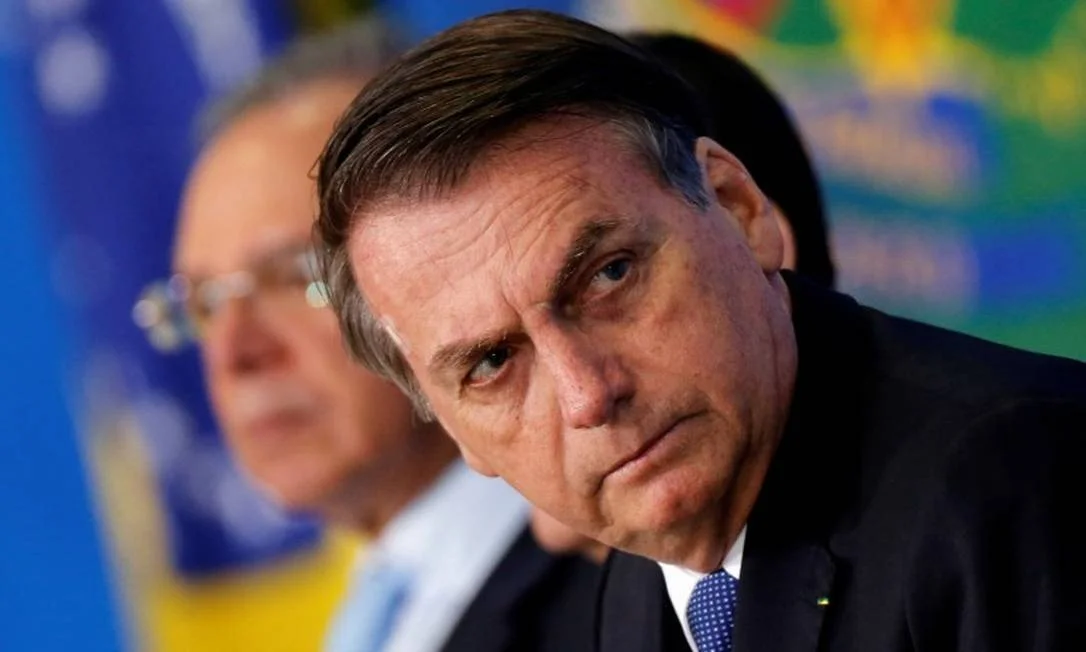
Tarcísio, a former infrastructure minister with a 61% approval rating, appeals to moderates and business interests by focusing on growth and public safety.
Majority Want Bolsonaro to Step Aside, Sparking 2026 Right-Wing Leadership Contest
Recent polling places him at 17% among right-wing voters, just ahead of Michelle Bolsonaro at 16%. Michelle, now a prominent figure in the Liberal Party, consolidates evangelical and core Bolsonaro supporters.
Other contenders include Paraná Governor Ratinho Junior, influencer Pablo Marçal, Goiás Governor Ronaldo Caiado, and Bolsonaro’s son Eduardo. Yet, none have matched Bolsonaro’s ability to mobilize the conservative base.
Notably, 45% of Brazilians fear Bolsonaro’s return more than Lula’s continued presidency, underlining the nation’s deep divisions. Economic concerns weigh heavily on voter sentiment.
Inflation reached 4.83% in 2024, and unemployment and public safety remain pressing issues. These factors, combined with Lula’s declining popularity, open the field for new right-wing candidates.
In hypothetical runoffs, Tarcísio nearly matches Lula, signaling a competitive race. The right’s leadership crisis matters for business and investors. Political uncertainty can affect economic policy, regulation, and Brazil’s investment climate.
As the 2026 election approaches, the outcome will shape Brazil’s economic direction, regulatory environment, and role in global trade. The next two years will test whether the right can unite behind a new leader or remain fragmented.
More: Brazil news in English, every day from The Rio Times.
This article was produced by The Rio Times’ automated newsroom system. How we use AI · Report an error · Editorial responsibility: Matthias Camenzind, Editor-in-Chief